NC Head Start programs could face major changes under proposed federal rules

Description
Preschool children line up to go outside at the Ralph Hawley Head Start Center in Emeryville, Calif., in December. The Trump administration has proposed major changes to the Head Start program. (Photo by Florence Middleton for CalMatters)
For thousands of North Carolina families, Head Start is more than a preschool program. It can mean a safe place for children to learn, eat nutritious meals and a schedule parents can rely on while they work.
But those services could look different under proposed federal changes that Gov. Josh Stein is urging the Trump administration to reconsider as the public comment period draws to a close.
In a letter Monday to federal officials at the U.S. Department of Health and Human Services, Stein said he supports efforts to reduce “unnecessary administrative burdens” on Head Start programs. But he argued the proposed rule would weaken standards that help ensure consistent services for children and families.
“Flexibility should help programs respond to local conditions; it should not result in larger classes, fewer qualified staff, shorter program days, diminished health and family supports, or widely different levels of service based solely on where a child lives,” he said.
Head Start and Early Head Start serve more than 17,600 children in North Carolina from birth to age 5.
The programs provide health screenings, early education and services for children with disabilities and their families. They also bring more than $290 million in federal funding to the state and support more than 5,000 jobs from teachers to childcare providers.
What would change?
The proposed Trump administration rule would change several aspects of how Head Start programs operate, including classroom staffing, language requirements and administrative spending.
The rule would eliminate the federal staff-to-child ratios and group-size limits that currently apply to Head Start classrooms, allowing programs to follow state requirements.
Stein said that could result in larger classrooms in states with less stringent requirements. He argued that federal standards provide a consistent baseline for staffing and class sizes, particularly with infants and toddlers, children with disabilities and children learning English.
The proposal would also remove current federal requirements governing how many hours and days Head Start preschool programs operate. Stein said that could allow programs to operate on schedules as short as three hours a day for 32 weeks, which could create problems for working parents.
The rule would also lower the amount of program funding that can be spent on administrative costs from the current 15% ceiling to 5%. Stein argued the change conflicts with federal law, which establishes the ceiling.
HHS said the changes would reduce bureaucracy, give states and local programs more flexibility, and lower administrative costs, allowing more resources to go toward children and families.
The agency estimates the changes could save Head Start programs $2.2 billion annually once implemented.
Why NC officials are concerned
Many North Carolina communities rely heavily on Head Start to provide early education and childcare. The programs are especially important in rural communities, where Head Start can account for a significant share of open childcare slots.
During last year’s federal government shutdown, some state Head Start programs warned they could be forced to close when federal funding was delayed.
The East Coast Migrant Head Start Project temporarily laid off 258 employees and suspended operations at nine childcare centers. The Salisbury-Rowan Community Action Agency halted its Head Start services, leaving hundreds of children without care.
Some Head Start programs in North Carolina poised to shut down as federal funds dry up
Last year, in a letter to Congress, Stein said more than 22 rural counties in North Carolina rely on Head Start for more than 20% of their childcare capacity.
The proposed changes have also drawn opposition from North Carolina education leaders.
North Carolina Superintendent of Public Instruction Mo Green said Head Start plays an important role in preparing children for kindergarten and supporting families.
“Many Head Start classrooms sit inside our public schools or work alongside our NC Pre-K programs, so when Head Start is strong, our schools start stronger,” Green said. “Small class sizes, qualified teachers, full-day schedules and health and family supports are what make it work.”
The public comment period on this proposed rule closes Tuesday. HHS has not announced when it will issue a final rule.
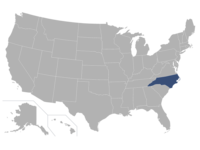
Raleigh, NC