The most patriotic celebration I attended this weekend wasn’t at Freedom 250
Jun 29, 2026 | 11:11 am ET
Description
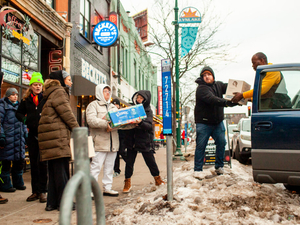
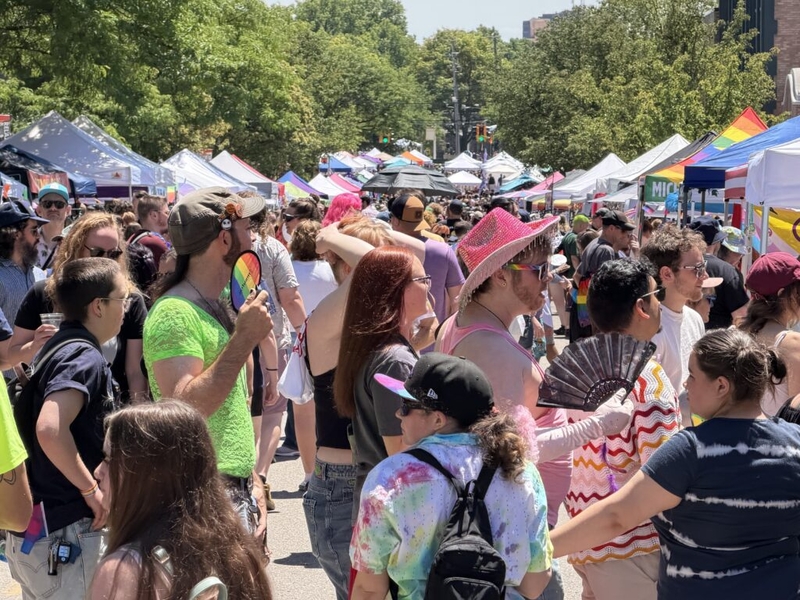
Crowds throng the Old Town neighborhood for Lansing Pride. June 27, 2026 | Photo by Jon King/Michigan Advance
As we near our nation’s 250th birthday, I spent the weekend at one of the most patriotic events I’ve attended in years, renewing my appreciation for this country and its freedoms.
Throughout the day I heard particular words repeated again and again: freedom, family, community, courage, joy and celebration.
I saw all kinds of Americans: Families pushing strollers, veterans, teenagers and senior couples. People of every race, religion, and background enjoyed a beautiful day together.
But I (like just about everyone else) wasn’t in Washington, D.C., attending Freedom 250, more a MAGA-influenced, corporatized simulation of America’s semiquincentennial than a reflection of the nation itself.
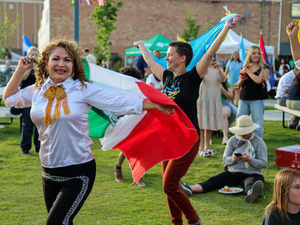
I was in Lansing, surrounded by thousands of people celebrating Pride.
I realize there are many Americans who believe patriotism is defined by saluting the flag, “supporting the troops” and always expressing love for our nation. And for those folks, a rainbow flag is somehow in competition with the American flag. They hear demands for inclusion and mistake them for criticism of the country itself.
In reality, Pride is one of the most American of traditions; a demand for equal rights under the law.
It is worth remembering that Pride as a celebration did not emerge because LGBTQ+ Americans wanted a parade. It emerged because they wanted to live openly without fear of arrest, violence, discrimination or government persecution.
When you hear the slogan “Pride is a riot,” it is a literal affirmation that the very first Pride celebration was held on the one-year anniversary of the Stonewall Uprising, when on June 28, 1969, an oppressed people who were offered no representation had enough of being told how to live and decided to fight back.
Sound familiar?
Every rainbow flag represents people who, not all that long ago, could lose their jobs, their housing, their children or even their freedom simply because of who they loved or how they identified. Sadly, depending on where they live in the “land of the free” many still can lose those things.
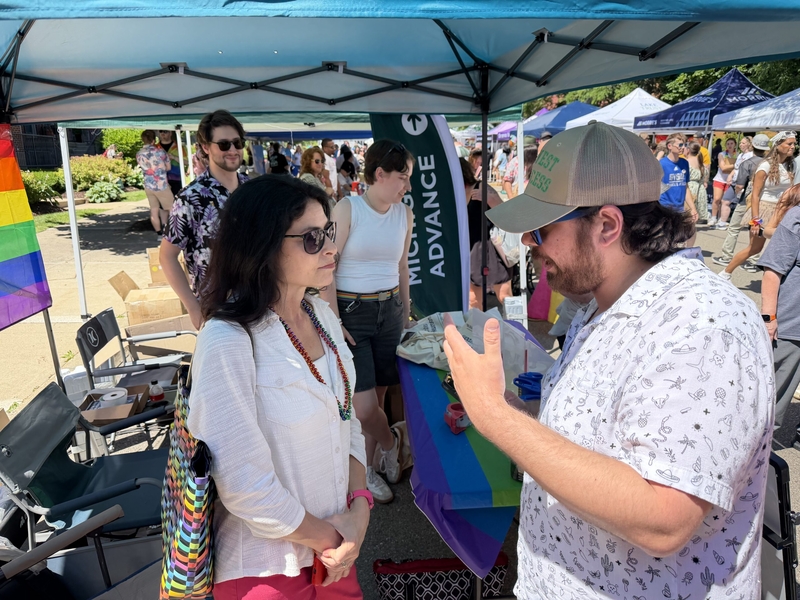
Michigan Attorney General Dana Nessel, the state’s first openly gay executive office-holder, told Michigan Advance Saturday during Lansing Pride that it can’t be assumed those rights will forever be available.
“Fortunately, things have changed a lot in the last couple of decades, so we don’t have to worry about the kind of discrimination that we had when I was growing up,” Nessel said. “Not now, but we could go back to that … We all need to speak together to make sure that the government will maintain the rights that we fought so hard for.”
That’s not political hyperbole. Lawmakers across the country, including here in Michigan, continue introducing legislation targeting the transgender community. Books are challenged because they acknowledge LGBTQ+ people exist. School districts face pressure, including threats of funding cuts, over policies meant to make sure all students feel included.
All of this is happening within the context of public officials increasingly trying to portray one group’s equality as a threat to everyone else’s freedom, as if it is a zero-sum proposition.
However, history (the unsanitized version) suggests otherwise.
Expanding liberty has never weakened America. It has strengthened it. Women’s suffrage did not weaken democracy, it made it stronger. The Civil Rights Movement did not diminish freedom, it made it stronger. And marriage equality did not destroy families, it made them stronger. Each of those movements expanded the circle of Americans who had a voice in the nation’s civic life.
Pride most definitely belongs in that tradition.
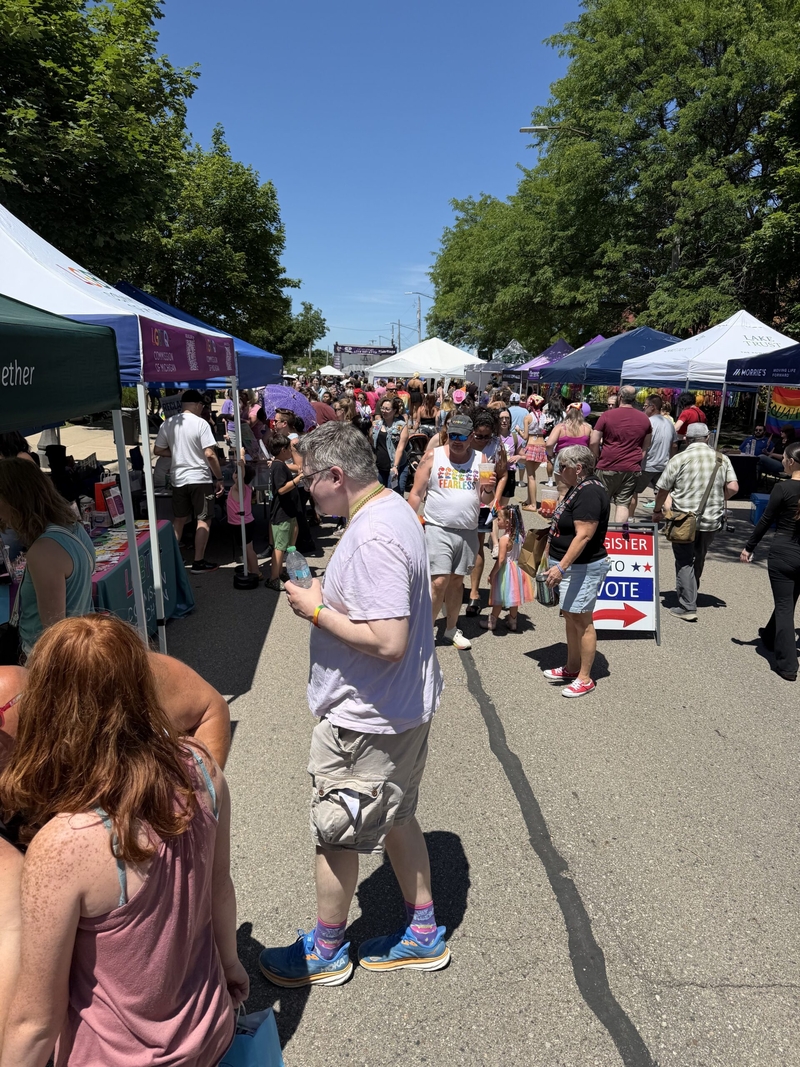
Walking through Lansing’s Old Town on Saturday, I saw people exercising rights that the generations which came before them fought to secure: speaking freely, assembling peacefully, expressing themselves without apology and building a community rooted in mutual respect.
Those are the quintessentially American values I saw at Lansing Pride, values that make me proud to be an American.
Lansing, MI