Minneapolis weighs ban on driverless robotaxis to protect rideshare drivers
Sep 17, 2026 | 6:45 am ET
Description
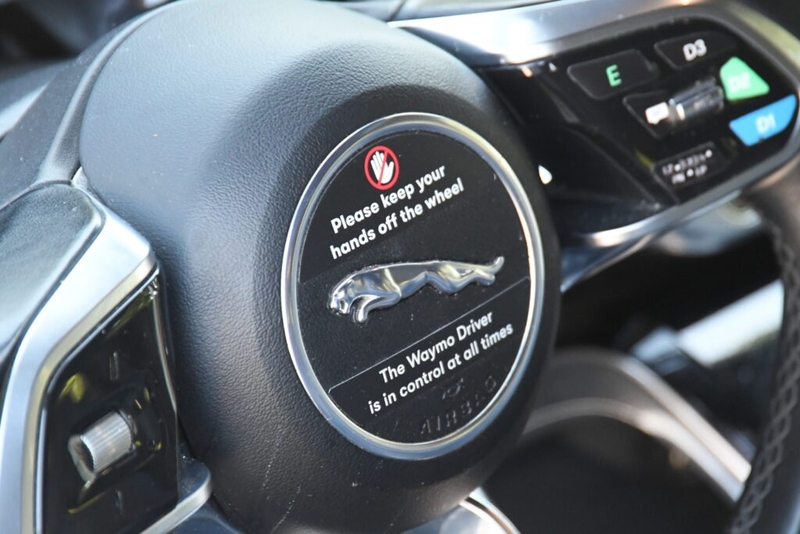
The steering wheel in a Waymo autonomous taxi. (Photo by Peter Hall/Pennsylvania Capital-Star)
The Minneapolis City Council is considering a proposal to effectively ban driverless robotaxis, as several council members push to protect the jobs of more than 10,000 rideshare drivers in the state.
The proposed ordinance would require commercial autonomous vehicles to be staffed by “human monitors” earning the state’s minimum pay rates for rideshare drivers, a direct challenge to the business models of robotaxi companies like Alphabet’s Waymo and Amazon’s Zoox.
The move reflects a growing backlash against artificial intelligence, fueled by fears that the technology will rapidly eliminate jobs across the economy, from Uber drivers to coders to lawyers.
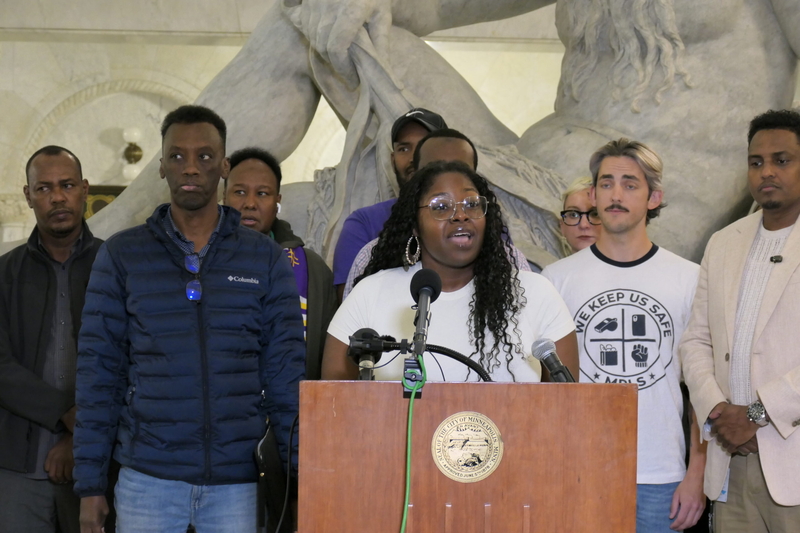
“We are not going to roll out the red carpet for Big Tech companies to essentially raid our economy and displace our workers,” said Council Member Robin Wonsley, the lead author of the ordinance, at a news conference with drivers on Wednesday.
Waymo, which opposes the proposal, began testing its technology in Minnesota last fall. The company says it currently provides more than 500,000 fully autonomous rides every week in 14 major U.S. cities, none of which require human monitors.
The proposed ordinance — dubbed “Workers Drive Minneapolis” by its authors, Council Members Wonsley, Aurin Chowdhury, Jason Chavez and Jamal Osman — will get its first public hearing on Sept. 22.
It’s unclear whether the proposal has the support of the majority of the 13-member City Council to pass, let alone the nine votes needed to override a veto by Mayor Jacob Frey.
A spokeswoman for Frey said the mayor “considers this proposal a back-door ban, and a bait for the state to come in and preempt us.”
That’s what happened the last time the Minneapolis City Council took on Big Tech rideshare companies. In 2024, the council overrode a mayoral veto to pass minimum pay rates for Uber and Lyft drivers despite threats by the companies to cut service in the city.
The ordinance never took effect. After a bitter fight between state and local lawmakers, the Legislature stripped cities of the power to enact minimum driver rates as part of a deal that raised driver pay while keeping Uber and Lyft operating in the state.
The robotaxi ordinance, even if passed, wouldn’t take effect until October 2027, which Wonsley said gives the Legislature more time to consider statewide regulations.
While Minneapolis City Council members are trying to save jobs, autonomous vehicle companies and their backers say they’re more concerned about saving lives.
“With nearly 500 Minnesotans killed in crashes in 2024 and women and people with disabilities facing persistent safety concerns, current options aren’t enough,” Waymo spokesperson Adam Lane said in a statement, noting its supporters include Mothers Against Drunk Driving, the Epilepsy Foundation, the National Federation of the Blind and others.
Reducing accidents caused by distracted, sleepy, impaired and careless drivers is perhaps the greatest promise of robotaxi companies.
Waymo says that over 220 million miles, its vehicles have been involved in 94% fewer crashes involving serious or fatal injuries and 82% fewer crashes causing any injuries at all.
But experts caution that the safety risks of autonomous vehicles are not yet fully understood, nor have the vehicles been widely tested across various difficult driving conditions on icy city streets and congested highways.
“The data that we have on safety right now is limited,” said Matthew Wansley, a professor at Cardozo School of Law who studies the regulation of artificial intelligence and automated driving.
Driverless vehicles also pose risks human drivers don’t, he said. Robotaxis have shown a propensity to get stranded and block emergency vehicles, as hundreds did last December when a blackout in San Francisco knocked out traffic signals.
The prospect of autonomous vehicles soon entering Minnesota just two years after the state enacted minimum pay rates has some Uber and Lyft drivers feeling like they’re starting over.
“We are back again to square one,” said Eid Ali, president of the Minnesota Uber/Lyft Drivers Association, who led a yearslong campaign for higher wages.
Uber and Lyft drivers, many of them immigrants, built a formidable organizing network through their fight for minimum pay rates and will return to the Legislature next year seeking protections from automation as well as the power to unionize.
Uber and Lyft consider drivers to be independent contractors rather than employees, which means they are not entitled to unionize under federal labor law. But drivers have been able to unionize in Massachusetts and California by successfully pushing for changes in state law.
SEIU Local 26 has begun organizing drivers around a campaign to change state law to allow drivers to unionize, although that largely depends on Democrats taking back control of the Legislature.
The campaign to protect rideshare jobs echoes a national push by the Teamsters for laws requiring human drivers in autonomous trucks, which the union says threatens millions of jobs. State lawmakers in California and Colorado passed bills but governors in both states vetoed them.
The fight by workers against automation is a familiar one, though rarely successful.
The Luddites, English textile workers who became an eponym for rejecting technological progress, were unable to stop the mechanized loom.
Railroad firemen held onto their jobs through union contracts for decades after diesel engines left them no coal to shovel — though they were eventually forced to retire or retrain.
Elevator operators and typesetters have all but disappeared. Taxi dispatchers are largely obsolete, too, after Uber and Lyft automated those jobs.

Saint Paul, MN