Memphis, Shelby County officials do little to mobilize voter engagement
Oct 13, 2026 | 2:53 pm ET
Description
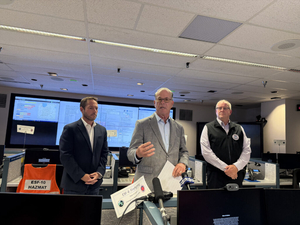
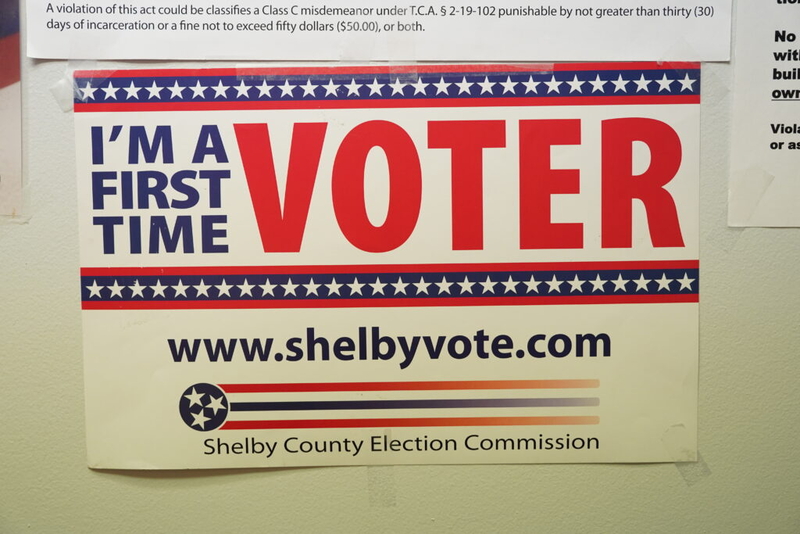
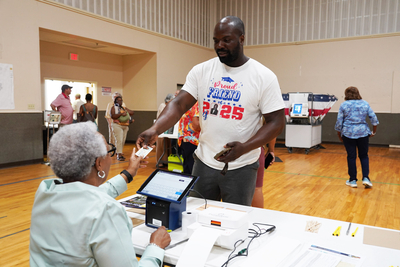
With the midterm election only three weeks away, Memphis and Shelby County elected officials are doing little to engage voters and promote turnout, writes Rev. Earle Fisher. (Photo: Karen Pulfer Focht for Tennessee Lookout)
I have spent much of this election cycle talking about political maturity. I have argued that this moment requires elected officials, faith leaders, organizers, advocates, and ordinary citizens to put aside personal grievances, bruised egos, and political ambitions long enough to recognize the magnitude of what is happening around us.
Now, with early voting approaching and the November midterm election less than a month away, I feel compelled to document something else.
I am deeply disappointed by how many of our local elected officials, especially Black elected officials, have failed to respond to this political moment with the fullest force of our collective potential.
Some have been virtually silent. Others have offered modest public statements without meaningful organizing behind them. Some have refused to publicly support nominees within their own political party. Others have mailing lists, social media platforms, donor networks, staffs, campaign organizations, and years of political relationships at their disposal, yet there is little visible evidence that those resources are being deployed toward voter registration, voter education, and turnout.
That should trouble all of us because this is bigger than any specific candidate. The most important question before Memphis and Shelby County is whether this community will exercise enough political power to demonstrate that efforts to divide and dilute Memphis’ electoral influence will not be met with political apathy.
That requires massive turnout.
I have been publicly calling for Shelby County to reach 75% turnout in November. In 2024, Shelby County turnout was barely above 54% and it was not even 30%in our August elections. This left hundreds of thousands of registered voters on the sidelines. A 75 percent goal is intentionally ambitious. If the strategy is to weaken our political power by dividing our communities geographically, then our response must be to maximize our power through participation.
Anybody who claims to care about the political future of Memphis should be working like hell to produce it. That includes me.
Through UPTheVote901, the nonpartisan civic engagement initiative I founded in 2016 to spur voter education, engagement, and turnout in Memphis and Shelby County, we have spent months hosting voter education events, neighborhood canvassing, faith-based conversations, campus registration drives at LeMoyne-Owen College, and discussions like The Locker Room: The Bible, The Ballot & Black Men, a series of conversations engaging Black men around faith, politics, and civic responsibility.
We also convened Civics Conversation with the Nation (of Islam) and are helping coordinate a statewide Souls to the Polls effort on Oct. 17.
I am not listing those things to suggest that we have done enough. We have not. That is precisely the point. If a relatively small grassroots organization can host forums, canvass neighborhoods, organize volunteers, educate students and mobilize faith communities, then elected officials with greater political infrastructure should be capable of doing the same and more.
Many already possess the tools. They have campaign databases with thousands of names, phone numbers and email addresses. They have large social media followings, fundraising networks, volunteers, donor lists, constituent networks and the visibility that comes with public office.
You cannot enthusiastically ask people to vote when your name is on the ballot and then become passive when your own political future is not immediately at stake. You cannot build an operation capable of knocking doors, raising money, making calls and sending texts to get yourself elected, then behave as though voter mobilization is somebody else’s responsibility once you are in office.
This is not simply about endorsements. Elected officials may have ideological disagreements or political rivalries that influence whether they publicly endorse another candidate. But political maturity requires us to distinguish between our personal feelings and our public responsibilities.
If you cannot endorse somebody, endorse democracy. If you cannot campaign for a candidate, campaign for participation. If you cannot stand beside another politician, stand beside the people.
Host a voter forum. Sponsor a registration drive. Organize a neighborhood canvass. Encourage supporters to check their registration and develop voting plans. Help seniors get to early voting. Engage students and first-time voters. Partner with organizations already doing the work.
Because the absence of visible engagement communicates something too. If the reason for that absence is personal animus, bruised pride, political ambition or resentment toward another public figure, then personal political interests have become more important than the political interests of the people those leaders claim to represent.
Leadership does not require us to like everybody, and political maturity does not require artificial unity. But mature leaders know when history requires them to subordinate personal grievances to a larger collective responsibility.
November will reveal more than who wins these elections. It is already revealing who understands political power as something that belongs to the people and who seems primarily interested in political power when it belongs to them.
The 75 percent challenge is not merely about hitting a number. It is about refusing to allow low turnout to complete politically what redistricting began structurally.
This moment is asking all of us a question: What are we willing to do with the power we already have?
For those who hold public office, the answer should be visible by now.
Nashville, TN