Medicare phone scam targets Idaho seniors, attorney general warns
Jun 10, 2026 | 6:10 pm ET

Description
Idaho's Attorney General Raúl Labrador is warning residents about Medicare phone call scams that attempt to steal personal information for fraudulent expenses related to Medicare services and supplies. (Photo courtesy of Getty Images)
Attorney General Raúl Labrador issued a consumer alert on Wednesday warning Idaho seniors of Medicare phone scams targeting Social Security numbers, Medicare identification and date-of-birth information.

The notice comes after a surge of reports, received by Idaho’s Consumer Protection Division, where scam callers use “professional” phone scripts to draw sensitive information from victims.
The scammers “spoof” phone numbers to appear local, a technique used to falsify caller information, and they then claim recipients’ Medicare card has expired, been lost or requires account verification. Once scammers receive personal information, they can use it to charge bills for fraudulent or nonexistent Medicare services and supplies, according to Labrador’s press release.
Although Labrador’s alert did not mention the exact number of reported scam cases, the release said Medicare scams can result in million-dollar losses.
“We want seniors and their families to know how these scams work before they become victims,” Labrador said in the press release. “No one from Medicare will ever call you to ask for your number.”
According to the release, official Medicare information is only delivered through U.S. postal mail and should never be requested through a phone call. Like other kinds of sensitive information, such as a Medicare card number, should not be shared unless at a trusted healthcare provider or pharmacy.
Other telltale signs of potential scammers include phone-directed charges for Medicare card replacements or demands for payment with gift cards, cryptocurrencies, wire transfers or cash.
What should I do in case of receiving a Medicare scam call?
If you receive suspicious calls claiming to be from Medicare, officials recommend the following:
- Do not provide your Medicare number, Social Security number, or date of birth.
- Do not make any payment by gift card, cryptocurrency or wire transfer.
- Hang up and call 1-800-MEDICARE directly to verify information.
Additionally, confirm what type of Medicare plan you currently hold. Scammers often blur the line between Medicaid and Medicare, according to the release. Medicare insurance applies to people 65 years of age or older and those with certain medical conditions. Medicaid is a federal and state program that helps cover medical costs for people with limited incomes.
If you have received a suspicious call or believe you have been targeted by Medicare fraud, report it at ReportScamsIdaho.com or contact local law enforcement.
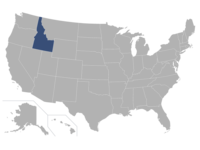
Boise, ID