Louisiana courts more voting system vendors ahead of 2028 elections
Jun 16, 2026 | 8:18 am ET
Description
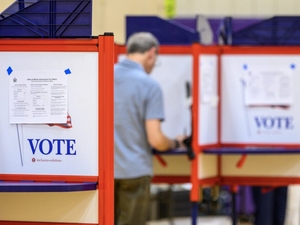
A voter makes his choices in at a New Orleans Garden District polling place on Election Day, Nov. 8, 2022. (Greg LaRose/Louisiana Illuminator)
Louisiana Secretary of State Nancy Landry is giving voting system vendors another chance to get their systems certified as potential replacements for the state’s decades-old machines, though it could take another year before any new machines reach the polls.
In a news release last week, Landry announced she is reopening the certification process for any voting machine vendors interested in applying. The application deadline is July 2.
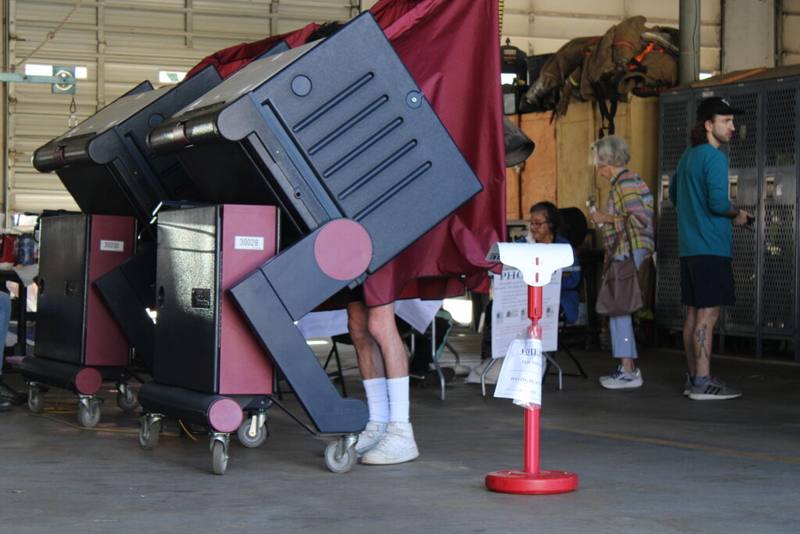
According to a 2021 state law, vendors must have their voting systems and system components certified by the secretary of state before they can compete for a state contract to replace Louisiana’s 35-year-old machines, many of which have broken and cannot be repaired because parts are no longer available.
This new certification round will be open to any voting systems and components not considered in the previous certification period last year. Systems that previously received certification are not required to do it again, according to Deputy Secretary of State for Communications Trey Williams.
Last year, Landry certified six different voting technologies, including five complete systems and a sixth ballot scanning component. Although the law doesn’t require it, the secretary of state has chosen to hold a second certification round rather than move forward with the six vendors already certified.
The companies with products already certified are: Clear Ballot of Boston; Democracy Live of Seattle; Election Systems & Software of Omaha, Nebraska; Hart InterCivic of Austin, Texas; Liberty Vote of St. Louis; and VotingWorks, a San Francisco-based nonprofit organization.
In a phone interview Monday, Williams said Landry’s decision will allow vendors to certify and showcase any technological upgrades they may have incorporated into their voting systems since last year.
“When you’re talking about systems this big, you wanna make sure you’re getting the latest technology and software that’s available,” he said.
Reactions from some of the previously certified vendors have so far been mixed.
In an emailed statement, Election Systems & Software spokeswoman Katina Granger said the company welcomes Landry’s decision as a “constructive step” to letting new vendors compete and to let current providers submit enhancements and updates for evaluation.
Clear Ballot spokeswoman Carolyn Weigold gave a more muted response.
“We are continuing to communicate with the Secretary of State’s Office about their procurement process and do not have any additional comment on the process at this time,” Weigold said in an email.
Landry’s office insists the second certification round won’t delay the procurement process. Williams said the agency is on track to select a new system by the end of the year and begin using it in some parishes for elections in 2027. It will then take roughly two to three years to completely transition from and replace the old voting machines, he said.
During last year’s certification round, Landry’s spokesman at the time, Joel Watson, said the secretary hoped to select and purchase a new system by the end of 2025 and begin using it in select parishes for the 2026 congressional midterm elections. The certification process, which requires public demonstrations of each vendor’s technology and additional vetting from the state’s new Voting System Commission, was completed in late December.
“It’s the most intensive procurement process probably in the history of the state,” Williams said.
Louisiana has been trying to buy new voting machines for at least a decade. But every previous attempt has encountered delays or outright cancellations as a result of vendor disputes and conspiracy-fueled political pressure.
Former Secretary of State Tom Schedler began shopping for a new voting system in 2018, and his replacement, Kyle Ardoin, took over the process when sexual harassment accusations led to Schedler’s resignation. Ardoin had finalized a contract with Dominion Voting Systems that year when a competing vendor tanked the deal with accusations of an unfair bidding process.
When Ardoin tried to reopen bidding in 2021, the process was halted again when supporters of President Donald Trump mounted a pressure campaign against elected officials across the nation based on false claims of voter fraud following Trump’s 2020 election loss to Joe Biden.
The small but vocal group bogged down committee hearings at the State Capitol that year with conspiracy theories against Dominion and SmartMatic, a London-based elections equipment company. The group offered no actual evidence to support their allegations but called for a return to hand-marked, hand-counted paper ballot systems.
Some Republican state lawmakers embraced the disinformation and crafted Act 480 of the 2021 legislative session. Among other things, it requires voting systems that produce a paper record for each ballot cast.
Fallout from false election fraud claims has shaped the field of competitors for Louisiana’s voting system contract.
In October, Dominion was sold to LibertyVote, one of the companies seeking Louisiana’s voting machine business. Its founder, Scott Leiendecker, is a former Republican elections director in St. Louis, and his company supports the use of hand-marked paper ballots.
Local elections officials in Louisiana have raised concerns about their ability to manage a paper-based system. They have said they will need more climate-controlled facilities to adequately store the equipment and paper supply.
Baton Rouge, LA