Judge keeps lawsuit alive for police protestors banned from Asheville parks
Mar 13, 2024 | 12:24 pm ET
Description
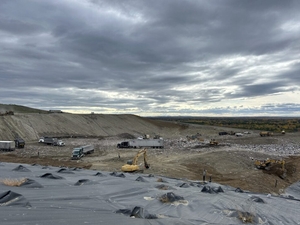
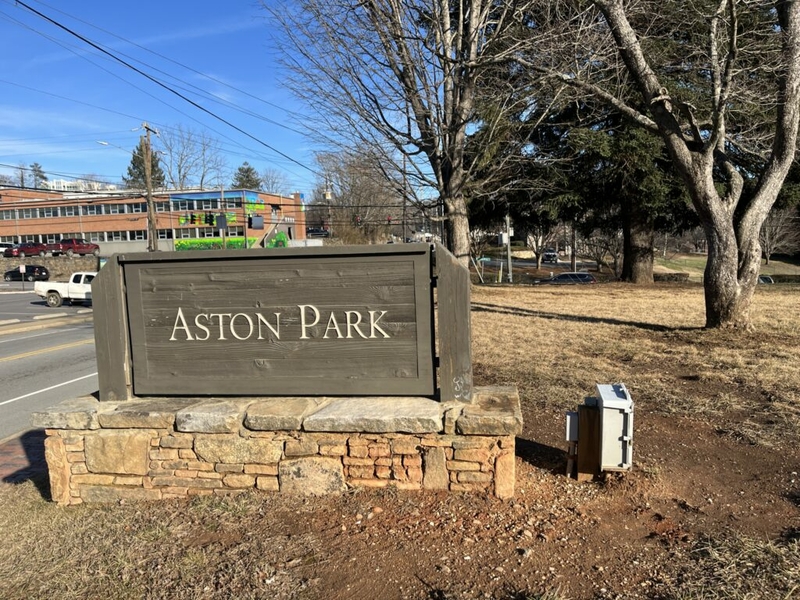
Asheville's Aston Park, where protestors were arrested on Christmas night 2021. Photo: Kelan Lyons
A federal judge declined to dismiss a case against 15 people banned from public parks by the City of Asheville after they participated in a protest in Aston Park on Christmas night 2021.
Those gathered at the park had been advocating on behalf of the city’s homeless, a sizable population in the expensive mountain town. After the park had closed for the evening, police cleared the tents and told everyone to leave. They wound up arresting two journalists for the Asheville Blade, a leftist news outlet, for trespassing, and charging more than a dozen people with felony littering for items they left behind.
The incident has become a flashpoint in the progressive city’s treatment of its unhoused residents, and how its police force responds to criticism.
The ACLU of North Carolina is representing 15 people who were banned from Asheville parks after the protest. The lawsuit claims they were banned without due process, retaliation for their speaking out about how the city treats some of its most marginalized residents.
The city tried to get the lawsuit dismissed, claiming it didn’t have legal merit.
The decision, handed down last week by Chief U.S. District Judge for the Western District of North Carolina Martin Reidinger, mostly denied the city’s attempt to dismiss the case, allowing all but two of the protestors’ claims to stand.
Reidinger’s decision notes that the protestors were given quick appeals hearings after the bans were issued, before which a captain with the Asheville Police Department emailed the city’s Parks and Recreation director recommending that he uphold the bans. That director then responded, “My decision is to uphold the APD suspension.”
At their hearings, the protestors were not allowed to ask questions or review the evidence against them.
The park bans are for three years.
“The Plaintiffs also allege that they have been deterred from going to city council meetings held at parks and recreation facilities, including meetings regarding the city’s response to homelessness,” Reidinger wrote. “The Plaintiffs are concerned that even after the expiration of their bans, they will be subjected to future bans as a result of their protests against city policies and their support of the homeless population,” the decision continued.
Reidinger’s decision ultimately means the facts raised by the protestors’ lawyers are sufficient to support legal claims on First and Fourteenth Amendment grounds, as well as similar provisions in the state constitution. The ACLU of NC filed a request for a preliminary injunction in the case that is still pending.
“The City of Asheville has stripped Plaintiffs of their right to access public spaces without convicting them of a crime or giving them notice of the ban, causing severe consequences in their personal and professional lives,” Muneeba Talukder, staff attorney for the ACLU of North Carolina, said in a statement. “In addition to preventing them from continuing their work supporting Asheville’s unhoused community members, the bans also prevent Plaintiffs from taking their children to the parks, performing job responsibilities that require park access, and further protesting the City of Asheville’s unjust treatment of unhouse[d] people.”
Raleigh, NC