Judge denies feds’ request to pause bison plan lawsuit
Jul 23, 2026 | 6:40 pm ET
Description
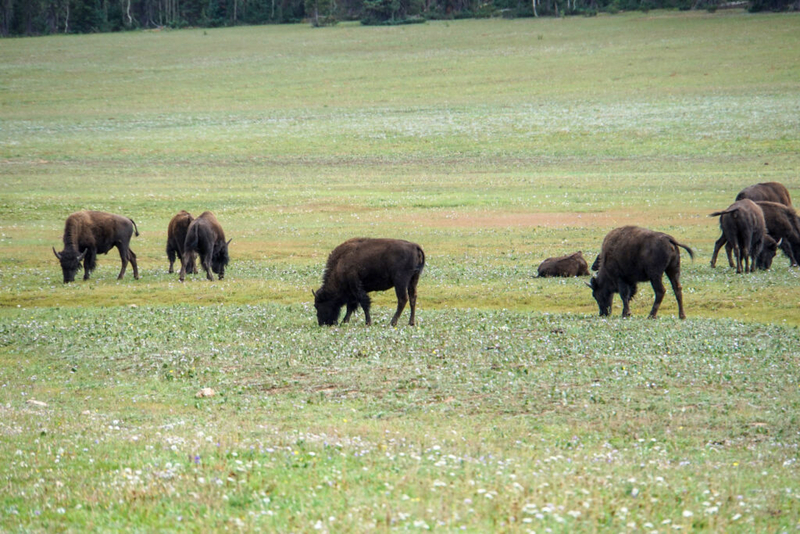
A picture of a herd of bison (National Park Service via Flickr | CC-BY-SA 2.0).
A consolidated lawsuit brought over a 2024 bison management plan in the Greater Yellowstone Area will move forward after the U.S. District Court in Billings denied the federal government’s request to pause the suit.
Alliance For the Wild Rockies and Council on Fish & Wildlife brought the suit at the beginning of January against the National Park Service, which culls some bison that stray outside of the park. The groups argue brucellosis eradication efforts by the federal government are based on outdated science.
Brucellosis is a disease that can cause reproductive issues in cows, bison and elk and can make humans sick. About 60% of female bison in Yellowstone National Park test positive for brucellosis antibodies, with a smaller percentage (10% to 15%, the suit says) seen as capable of spreading the disease.
The larger brucellosis problem is elk, the plaintiffs argue in court documents, citing a national study. But the groups said the new management plan for bison, the national mammal, doesn’t reflect scientific conclusions from the 20-year study.
Montana has had 15 brucellosis cases in livestock animals since 2010, and all 15 of those have been or are suspected to be from elk, according to the state Department of Livestock.
“The bison management plan is based on outdated assumptions that thousands of bison need to be slaughtered to stop brucellosis infections in cattle,” said Mike Garrity, executive director of the Alliance for the Wild Rockies, in a press release. “This is no longer accepted science, and the government needs to change its management practices to keep up.”
The federal government kills some bison outside of the park, and they are also rounded up and captured, as well as occasionally hazed back into Yellowstone National Park.
There are approximately 20,000 bison managed by the federal government on public lands. Of those, about 8,000 roam without fences and 5,000 of those unfenced bison live in Yellowstone National Park.
The park could support up to 10,000 bison, the lawsuit adds. The National Parks Service generally does not comment on active litigation and did not immediately respond to a request for comment.
“This court decision is a great step in the right direction — we need to base the management of our National Mammal on sound science,” Garrity said in a press release.
The suit by the Alliance for the Wild Rockies and Council on Fish & Wildlife has been consolidated with a different, though related lawsuit the state of Montana filed in 2024 against the federal government over the same plan.
That lawsuit essentially said the federal government hadn’t done enough consultation with the state on the 2024 bison plan.
Editor’s note: This story has been updated to reflect that 60% of female bison in the park test positive for brucellosis antibodies.
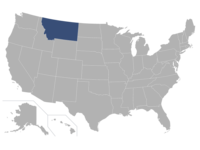
Helena, MT