Indiana regulators to investigate utility profits, bill charges
Jul 15, 2026 | 12:14 pm ET

Description
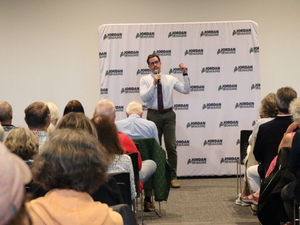
New Indiana Utility Regulatory Commission leader Anthony Swinger announces a pair of affordability investigations on Wednesday, July 15, 2026. (Photo by Leslie Bonilla Muñiz/Indiana Capital Chronicle)
State regulators on Wednesday kicked off investigations into utility profit margins and bill charges — the first two action items in an energy affordability report that also recommends several legislative changes to benefit struggling customers.
Anthony Swinger, the newly elevated leader of the Indiana Utility Regulatory Commission, said regulators are preparing for a statutorily required shift to a three-year ratemaking system.
They’ll first look into the profits utilities are allowed to collect on the investments they make for capital projects.
“If there are specific parameters we can set for considering return on equity in those multi-year rate plans, now’s the time to set those,” Swinger told reporters.
The other investigation will examine how trackers — fluctuating charges added to utility bills for fuel expenses and more — will fit into the new regulatory structure.
“Are all of these trackers necessary, and if they’re not, which ones could be cut back on? And if they are cut back on, what legislative action is necessary?” Swinger said. “Answering those questions is going to be at the crux of the tracker investigation.”
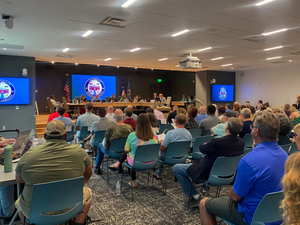
The inquiries are the first two action items listed in an energy affordability report also released Wednesday, following an affordability investigation this spring that included an all-day utility questioning and a 10-stop ratepayer listening tour.
Regulatory staff will also provide guidance on a specific tracker for transmission improvements, according to the report. And they’ll design the performance-based incentive mechanisms required by House Enrolled Act 1002, the March law that established multi-year ratemaking.
Other action items are directed at lawmakers, as well as utilities themselves.
This story will be updated.
Indianapolis, IN