Help Montana’s hungry bears stay safe
Oct 07, 2026 | 5:43 pm ET
Description
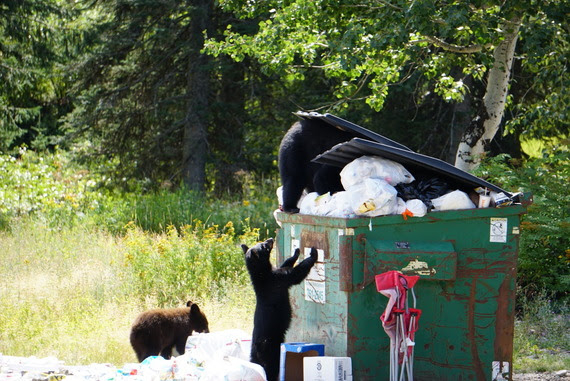
Bears rummage in human garbage. (Photo courtesy of MT FWP)
I’ve started counting tipped-over garbage cans this month as I make my early morning gym commute. Some mornings there’s trash strewn along the road, block after block. A few weeks ago, our doorbell camera caught a bear hanging out on our front porch.
Even as a lifelong Montanan, it’s a startling number of bear sightings.
It can be tempting to look at this phenomenon and wonder if there are just too many bears. But what we’re actually seeing are hungry black and grizzly bears moving down into communities because the food they normally depend on has failed.
The best course of action is to make smart decisions to head off conflict between people and these awe-inspiring animals.
The main cause of these bear sightings is sad and simple. It has been a brutal year for bears across the northern Rockies. Spring green-up arrived early and late frosts hit chokecherries, serviceberries and other foods that bears rely on, making this year one of the worst natural food failures on record.
When berries fail in the mountains, bears look elsewhere. Unfortunately, people have built a remarkably good buffet — garbage cans, fruit trees, chicken coops, pet food, livestock feed and on ranches, dead or vulnerable cattle. That’s bad news for bears, especially for females with cubs, who are more likely to wander into human spaces searching for food as they try to pack on the pounds to survive a Montana winter.
We saw the consequences of this in Bozeman, where 14 black bears were recently euthanized after wildlife officials determined they had become dangerously comfortable with people and were apparently eating human food. This was an avoidable tragedy. Keeping food and garbage away from bears is one of the simplest and most effective things we can do to prevent them from being killed.
Those of us lucky to live in Montana’s beautiful bear country have an important role to play, which mostly comes down to basic property maintenance. We can use bear-resistant garbage cans, take down bird feeders, bring pet and livestock feed inside, glean fruit trees and secure chickens and goats behind electric fencing.
Montana Fish, Wildlife and Parks should be called early if there’s a risk of conflict, before a bear learns that wandering into a yard earns them an easy meal.
The state should fully fund compensation programs so ranchers aren’t left carrying the cost when they lose livestock to grizzlies. We also need to invest more in preventing those losses in the first place by removing carcasses that attract bears, using electric fencing around calving areas and beehives, and supporting range riders who can keep cattle and bears apart. The Blackfoot Challenge in Montana has shown us how successful this can be.
These are practical tools that are far cheaper than an endless cycle of dead cattle and dead bears, and they’re poised to become even more important.
That’s because the U.S. Fish and Wildlife Services is currently considering changes to how grizzly bears are managed across the lower 48 states. Its current proposal would maintain grizzly bears as “threatened” under the Endangered Species Act but would give states far more flexibility to kill grizzlies in response to conflict.
The Center for Biological Diversity, where I work, opposes that proposal because it wouldn’t solve or avoid conflicts that put bears and people at risk. It would just make it easier for states to kill grizzlies. We already have the tools to reduce conflict. We just have to use them.
Many Montanans chose to live in areas where bears have lived for thousands of years. With this choice comes the duty to recognize that living in bear country requires some responsibility on our part. As climate change disrupts our wild ecosystems, hungry bears will return and they may even visit more frequently.
But we shouldn’t confuse seeing more bears with having too many bears.
The bear on my porch didn’t show up because bears are taking over. They showed up because this has been a hard year and they were looking for an easy meal. The best thing we can do, for Montana’s bears and for ourselves, is to make sure they don’t find one.
Kristine Akland is a Montana-based attorney and the Northern Rockies director at the Center for Biological Diversity.
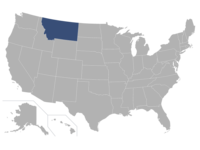
Helena, MT