Georgia’s SNAP payment errors could cost the state millions of dollars — but not quite yet
Jun 30, 2026 | 4:00 am ET
Description
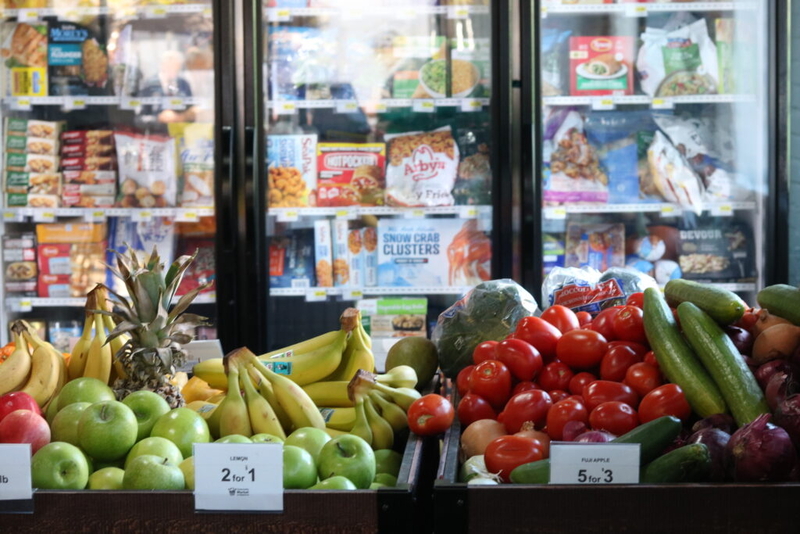
Georgia's high payment error rates could spell trouble for state leaders down the line as the federal government moves to shift more of the program’s costs to the states and punish them for mistakes. Maya Homan/Georgia Recorder
Georgia could be on the hook to pay millions of dollars to maintain a key food assistance program if the state doesn’t drastically reduce its payment error rates, thanks to changes implemented under last summer’s federal budget reconciliation bill.
The program, known as the Supplemental Nutrition Assistance Program, serves roughly 1.2 million Georgians per month. According to new data released by the U.S. Department of Agriculture last week, the Peach State had one of the highest payment error rates in the country at 15.2%. That could spell trouble for state leaders down the line as the federal government moves to shift more of the program’s costs to the states and punish them for mistakes.
Red states target SNAP fraud, errors under threat of costly federal penalties
Historically, the federal government has covered the cost of the food aid while splitting administration costs equally with the states. But beginning in October, all states will be on the hook for 75% of their own administrative costs due to changes implemented under last year’s One Big Beautiful Bill Act. States with high rates of payment errors will face additional penalties in the future.
Errors can be caused either by unintentional mistakes by the applicant, such as a recipient failing to report a change in how many people live in the household, or by a processing error, such as a government agency incorrectly calculating a household’s expenses.
But Agriculture Secretary Brooke Rollins said the error rates still show evidence of widespread waste in the food aid program’s administration at the state level. The nationwide error rate is 10.6%.
“These payment error rates are further proof that state accountability is severely lacking in SNAP,” Rollins said in a statement.
2.5 million Americans lost food aid in months after passage of GOP megabill, study finds
Georgia’s latest payment error rates could also be used to financially penalize them down the road under a new federal policy that forces states with error rates above 6% to cover between 5% and 15% of their benefit costs. That portion of the law takes effect in fiscal year 2028, though Georgia is among the six states which qualify for a delay in cost-sharing for an additional year.
Georgia’s Department of Human Services — which is responsible for dispersing federal food aid funds to Georgia residents — is reviewing its options in light of the new data, according to a spokesperson. When the time comes, the state could choose to pay the penalty in full, file an appeal or reinvest half of the fine into program improvements.
Even before this year’s data was released, the state agency’s communications director Ellen Brown said the state had taken steps to improve the system, such as expanding staff training, conducting more rigorous case reviews and submitting waiver requests to the federal government to allow them to automate more of the eligibility process.
“Georgia is committed to getting this right for the individuals and families who depend on SNAP, and we will continue pursuing every available tool to improve accuracy and program integrity,” Brown said in a statement.
States with error rates below 6% will not be required to cover the costs of any food assistance benefits, though they will still be responsible for three quarters of the administrative costs.
Daniel Kanso, vice president of public policy at the Georgia Budget and Policy Institute, said it’s a positive sign that state leaders increased funding for the program in the new state budget that takes effect Wednesday. That includes $6.9 million specifically dedicated to addressing the state’s payment error rates.
He added that he hopes to see more funding allocated for eligibility workers who can help those applying for benefits during future legislative sessions.
“We just don’t have the necessary required levels of staff power for folks to be able to reach somebody, to be able to easily navigate when issues emerge,” Kanso said. “At a certain point, we do just need to invest more in the administrative side of the program to make sure that it’s functioning more efficiently.”
Atlanta, GA