FIGHT Act tackles the menace of illegal animal fighting
Mar 05, 2026 | 12:11 pm ET

Description
Two cockerel fighting. (Photo by Getty Images)
This story was been updated at 5:27 p.m on March 6, 2025, to correct the organization the author represents.
For years, animal advocates have warned that organizers of animal fights are not just committing acts of unspeakable animal cruelty, but they are engaged in even broader lawlessness. Our state’s law enforcement leaders – as well as those in other states – share that view, and they are working on a plan to eradicate dogfighting and cockfighting.
The federal Fighting Inhumane Gambling and High-Risk Trafficking (FIGHT) Act (H.R. 3946/S. 1454) strengthens federal enforcement against dogfighting and cockfighting by closing long-standing loopholes that allow these operations to persist. It makes it unlawful to gamble on animal fights and to ship mature roosters through the U.S. mail — key tools traffickers use to move animals and money across state lines.
The bill also enhances forfeiture provisions to include real property used in animal fighting ventures and creates a limited civil enforcement mechanism that allows aggrieved property owners to act and to work to dismantle dogfighting and cockfighting organized crime operations.
Taken together, these improvements in our national law against animal fighting give us the tools to dismantle these networks.
More than 1,000 organizations nationwide have endorsed the bill, including the Pennsylvania Sheriffs’ Association, the National Sheriffs’ Association and the National District Attorney’s Association. The Pennsylvania District Attorneys Association, the Pennsylvania Chiefs of Police Association and 60 Pennsylvania county sheriffs and district attorneys are also strong backers of the FIGHT Act.
Animal fighting is closely linked to illegal gambling, drug trafficking, firearms offenses and violent crime. Law enforcement have repeatedly documented that animal fighting operations rarely exist on their own; they function as hubs for criminal activity that destabilizes communities.
That is why law enforcement officials — from sheriffs to prosecutors to police — have been among the most vocal supporters of the FIGHT Act. They see firsthand how these crimes operate and how difficult they are to address with outdated enforcement tools.
For Pennsylvania, the stakes are even higher. In agricultural states, cockfighting presents an additional threat that extends beyond criminal enforcement into animal health, biosecurity and the economic stability of farming communities.
Fighting birds are bred, transported and concealed entirely outside regulated agricultural systems. They bypass inspections and disease controls, increasing the risk of outbreaks such as avian influenza.
These outbreaks have already devastated poultry operations across the country and driven up the cost of eggs for consumers. Cockfighting undermines responsible farmers who follow the law, while exposing the broader public to unnecessary risk. When criminal activity threatens agriculture and public health, it becomes a statewide concern, not a niche advocacy issue.
These endorsements are not symbolic. They reflect years of experience confronting the same pattern: animal fighting as an entry point into broader criminal enterprises. Law enforcement is not asking for new funding streams or expanded bureaucracy. They are asking for clear, enforceable legal tools that reflect how these crimes actually operate.
Agricultural stakeholders such as the United Egg Producers recognize that unchecked cockfighting threatens disease control and legitimate farming operations. The American Gaming Association has supported the legislation, citing the role of animal fighting in fueling illegal gambling networks.
At its core, the FIGHT Act confronts extreme cruelty — animals bred, maimed and killed for profit. But its impact is broader. It protects farmers who play by the rules and disrupts criminal enterprises that profit from violence and exploitation.
Nearly all lawmakers within Pennsylvania’s congressional delegation are cosponsors of the FIGHT Act. The exception is House Agriculture Committee Chairman Glenn Thompson (R-15th).
We’ll need his support to tackle the barbaric, dangerous problems of dogfighting and cockfighting and the mayhem and disease that go hand-in-hand with them.

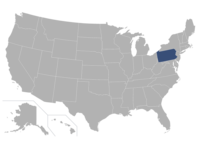
Harrisburg, PA