As early in-person voting approaches, North Carolina election officials seek to ease fears
Oct 08, 2026 | 11:18 am ET
Description
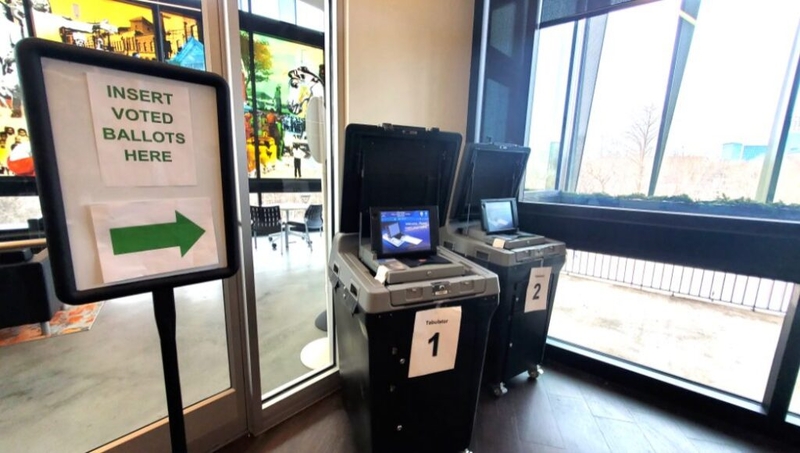
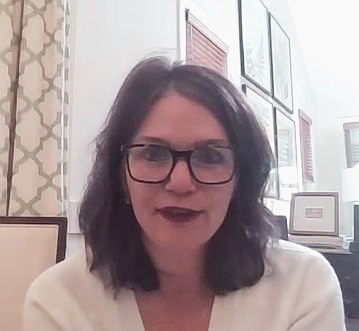
Across North Carolina, county election officials are busy answering questions from citizens and making sure all equipment is running properly. (Photo: Clayton Henkel/NC Newsline)
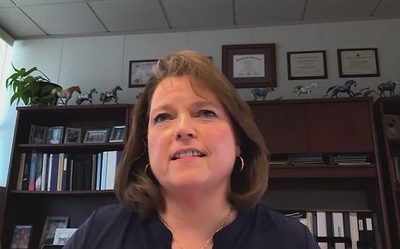
Beaufort County Board of Elections Director Kellie Hopkins has been involved in North Carolina elections for 28 years. She’s learned firsthand that you can’t procrastinate.
“Election preparation started months ago,” Hopkins said in a Wednesday briefing on election procedures hosted by Keep Our Republic, a nonpartisan civic education organization.
Hopkins’ staff is busy this week doing extensive logic and accuracy testing of the county’s voting machines and tabulators. Ahead of early in-person voting that begins Oct. 15, her team is getting laptops and other electronics ready to be deployed to the precincts.
The only problem so far was a single malfunctioning screen, Hopkins said. It was easily swapped out with a back-up.
Cyber worries and a paper trail
Still, Hopkins knows local residents are anxious about the upcoming midterms. Polling by Catawba College finds that while North Carolinians continue to trust their local elections, they are more skeptical about election outcomes across the country.
The U.S. Cybersecurity and Infrastructure Security Agency, more commonly known as CISA, was established in 2018 to help provide security guidance during elections. The agency has seen its workforce and budget drastically reduced during the second Trump administration. A plan released in late September offering election security assistance was viewed as arriving too late to be useful in some states.
Hopkins said while CISA works more closely with the State Board of Elections than county officials, she’s confident the safeguards already in place would prevent any security vulnerabilities.
“Our voting equipment is never hooked up to the internet. Our tabulating system where we bring all that information together is never hooked up to the internet,” said Hopkins.
Hopkins said if a cyberattack were to occur, all counties in North Carolina have a paper backup of election results and their voter registration database.
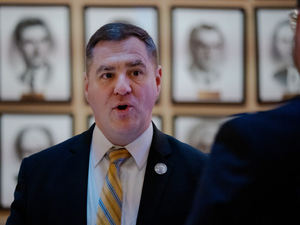
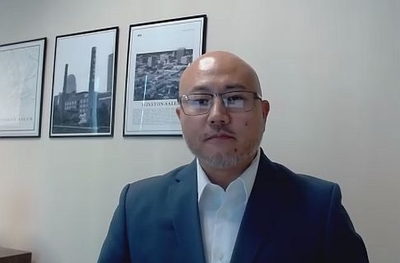
“The one word that comes to mind is redundancies,” said Tim Tsujii, elections director for the Forsyth County Board of Elections. “I can certainly speak for all the counties: there are redundancies in place because of the best practices and guidelines shared by the State Board of Elections.”
Training includes how to handle ICE
Hopkins said civic groups in her county have had more questions in recent weeks about how they might handle the presence of Immigration and Customs Enforcement agents at polling sites.
“We have not had any feedback from the federal government, but I do know that if that happens, we need to alert the State Board of Elections immediately,” said Hopkins. “In North Carolina, the chief judge of each precinct is the law enforcement official there. So, we do have plans in place.”
In Forsyth County, Tsujii said his office had just one inquiry since last year from the federal government seeking voter registration information on a particular voter.
“The guidance from the State Board of Elections was to treat [the inquiry] like a public records request,” he said. “That was really the extent of any communications that I’ve received from any of the federal agencies.”
Both Hopkins and Tsujii said if ICE agents or federal officials show up on Election Day, poll workers will be prepared.
“Here in Forsyth County, we are incorporating in our poll worker training that the chief judge is to establish communication with whomever is attempting to enter into the polling place,” said Tsujii.
The chief judge will immediately notify the county board of elections, with the next call involving state elections officials.
Tsujii said Forsyth County’s attorney is involved in all pre-election briefings and has consulted with groups like the nonpartisan Brennan Center for guidance in the event of federal interreference at the polls.
Hopkins said a 50-foot buffer zone exists outside each voting place to allow eligible voters to safely cast their ballot without intimidation.
“There are only certain situations where people can enter a voting enclosure without us having the complete ability to say, ‘You cannot be in this area,’” said Hopkins. “We’re going to treat an ICE officer the same way we would anybody else who’s not allowed within the voting enclosure.”
Voting rights advocates organize volunteers to track potential intimidation at the polls
The same safeguards come into play if ICE or federal agents wanted to access voting equipment, she said.
“And the room where ballots are actually marked, that’s a sacred place in North Carolina,” said Hopkins.
Both Tsujii and Hopkins are hoping these concerns are unfounded, and that everything goes smoothly when in-person early voting begins next week. But even if there are a few hiccups, Hopkins said voters can trust trained election workers will carry out their duties to ensure North Carolina’s elections remain fair and secure.
“My number one job is to find all the problems so I can make sure that the voice of the people is heard,” said Hopkins.
An army of poll workers
One area that does not appear to be an issue this midterm for the two counties is a shortage of election workers. Nationwide, election offices have faced problems retaining poll workers and volunteers in recent years as fears of harassment and political interference have grown.
Hopkins said in her rural county, she’s fortunate that some precinct officials have served with her almost three decades.
Tsujii said his own office will manage upwards of 900 poll workers and precinct officials on Election Day.
“They do take their job seriously,” Tsujii said. “They are required by law to attest or swear to an oath that has to do with maintaining the security of the voting enclosure, the chain of custody of the ballots and the voting equipment.”
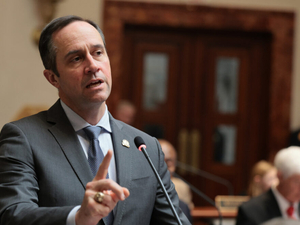
Deanna Ballard, a senior advisor for Keep Our Republic and former North Carolina state senator, said it’s a similar story in Watauga County, where the election director shared they have a waiting list of people wanting to volunteer at the polls.
“Looking at a county of about 35,000 people in a college town, that is a powerful way to be involved and to participate,” said Ballard.
Ballard said volunteering with a county elections board can be “valuable and impactful” not just for the community, but for the individual when it comes to strengthening trust in the electoral system.
Raleigh, NC