Dropped your ACA insurance due to spiking premiums? You could qualify for a state subsidy this fall.
Jul 08, 2026 | 5:27 am ET
Description
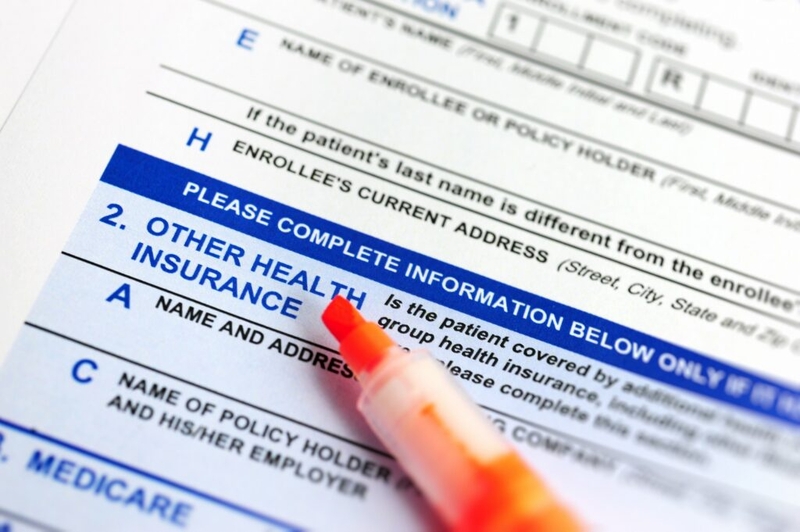
Virginia lawmakers are hedging against shifting federal healthcare and insurance standards by offering a state-level insurance subsidy, starting in November. (Photo by Getty Images)
About 200,000 Virginians will be eligible to tap into new state funding meant to offset costs for insurance through the state’s Affordable Care Act exchange, starting in November.
This means that participants could save about 70% on their monthly premium, after state lawmakers and Gov. Abigail Spanberger approved $150 million dollars for it in the state budget late last month.
The move comes after federal funding shifts triggered by Congress’ failure to renew expiring ACA subsidies. Thousands of Virginians have dropped their coverage so far this year as premiums have shot up.
Virginia’s Health Benefit Exchange estimates that about 100,000 Virginians have lost their health coverage this year as a result of higher premiums, according to a new press release.
“Most Virginians losing Marketplace coverage this year do not have any other options for health insurance coverage,” exchange director Keven Patchett said. “The new affordability program will go a long way toward helping to ease the cost burden, allowing more Virginia families to enroll in and maintain high-quality health coverage.”
The program targetsVirginia households with incomes between 138% and 250% of the federal poverty level, which represents about 45% of people in the state who have lost their coverage this year, according to state data.
While some consumers enrolled in lower-tier plans with lower premiums, others were priced out or canceled their plans after a few months. Overall, enrollment dropped by 20% compared to last summer, the state exchange reported.
The funds will be available for eligible Virginians to tap into starting November 1 through Dec. 31.
State officials brainstorm rollout of other affordability measures
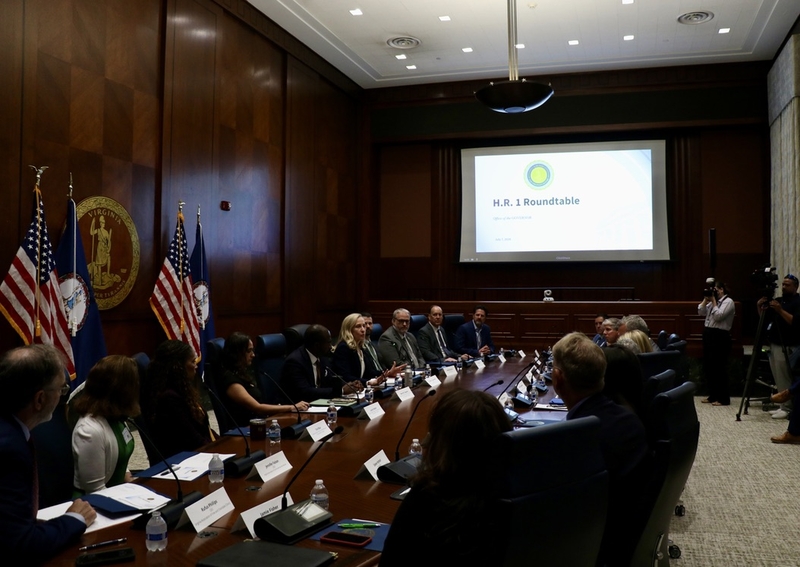
State lawmakers hedged against the effects of the reconciliation bill Congress passed last summer during this year’s budget negotiations; helping Virginians stay insured was a key goal.
That bill, which President Donald Trump signed into law on July 4, 2025 set off forthcoming changes to Medicaid and hospital funding mechanisms, as well as the Supplemental Nutrition Assistance Program.
Thousands more are vulnerable to losing Medicaid, as free clinics and hospital emergency departments brace for more uninsured patients.
On Tuesday, a consortium of organizations representing health systems, healthcare workers, free clinics and Federally Qualified Health Centers met with Gov. Abigail Spanberger and Secretary of Health and Human Resources Marvin Figueroa. They discussed how to best navigate shifting mandates from the nation’s capital.
“It’s been a lot of trying to make sense of the rules that are coming down from Washington,” Figueroa said at the start of the meeting.
State and local government officials implemented changes to verifications for SNAP and Medicaid this year, endeavors which state lawmakers supported with investments in the state budget.
The idea is to invest money up front to prevent eligible people from losing benefits in the long haul.
Spanberger’s administration inherited former Gov. Glenn Youngkin’s blueprint for reducing the state’s SNAP error rate — when beneficiaries are over or underpaid due to paperwork errors or outdated information.
Lawmakers’ $135 million investment may help support work to keep qualified beneficiaries on the rolls. They earmarked $3.5 million to help social service workers’ verifications for eligible Medicaid recipients
Spanberger’s administration is also working to roll out $189 million in federal Rural Health Transformation Fund awards.
“What is happening in Virginia is very similar to what we know is happening in other states,” Spanberger said at theTuesday meeting.
“We are trying to make sure that we are ready to contend with all of the impacts of H.R.1 and look at how we can protect our vulnerable neighbors.”
Richmond, VA