Delaware lawmakers split over future of hemp-derived THC products
May 22, 2026 | 6:38 am ET
Description
Photo courtesy of Spotlight Delaware
Why Should Delaware Care?
The hemp-derived THC market has grown rapidly in Delaware and across the country, allowing retailers to sell intoxicating products outside the state’s licensed marijuana system. State officials say the lack of oversight has raised concerns about product safety and youth access, while hemp retailers warn that some proposed restrictions could push them out of business. Lawmakers are now split over whether those products should be folded into Delaware’s marijuana industry or regulated through a separate hemp market.
With just over a month left in Delaware’s legislative session, lawmakers are pushing competing legislation to regulate the hemp-derived THC products that have become widely available outside of the state’s licensed marijuana market.
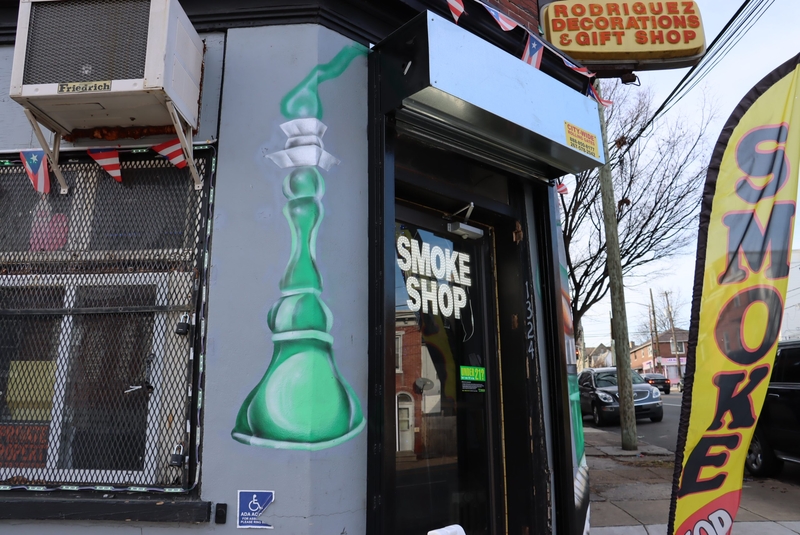
The intoxicating products, including gummies, vapes, and infused beverages, are part of a fast-growing industry that smoke shop owners and licensed marijuana retailers want to be able to sell.
Now, four bills before lawmakers offer different paths to regulate them. One would fold many intoxicating hemp products into the state’s regulated marijuana industry, meaning they could only be sold at licensed marijuana stores.
Another would create a separate regulatory structure for hemp retailers. And a third would support the second bill by clarifying that certain THC products should not be treated as marijuana.
The fourth would regulate THC-infused beverages through a framework that would allow them to be sold at liquor stores or recreational marijuana retailers.
Like the state, the federal government also treats hemp differently from marijuana. When passing the annual Farm Bill in 2018, Congress legalized hemp as long as it contained no more than 0.3% of the primary intoxicating compound found in cannabis, called delta-9 THC.
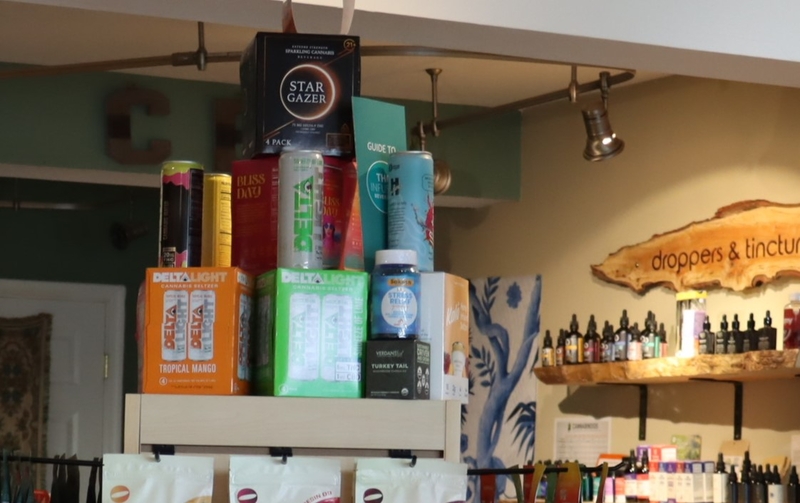
Since then, hemp-derived THC products have become widely available at retailers, such as smoke shops, gas stations, and bodegas, even as marijuana has been strictly regulated. Critics have called that the hemp loophole.
Those hemp retailers say some of the newly proposed restrictions could push them out of business.
But licensed marijuana operators and state regulators argue that those businesses are selling similar intoxicating products without the same rules for testing, labeling, taxation, age restrictions, and in-state cultivation.
“It’s THC, it’s not hemp. It’s marijuana.”
In late April, Rep. Nnamdi Chukwuocha (D-Wilmington) introduced House Bill 395, which would move hemp products into Delaware’s licensed marijuana system.
The bill would also expand the definition of THC to include other variations of the compound and set a stricter 0.4 milligram total THC limit for finished products. That threshold mirrors federal language Congress passed last fall to close the hemp loophole, though the federal changes are not set to take effect until November.
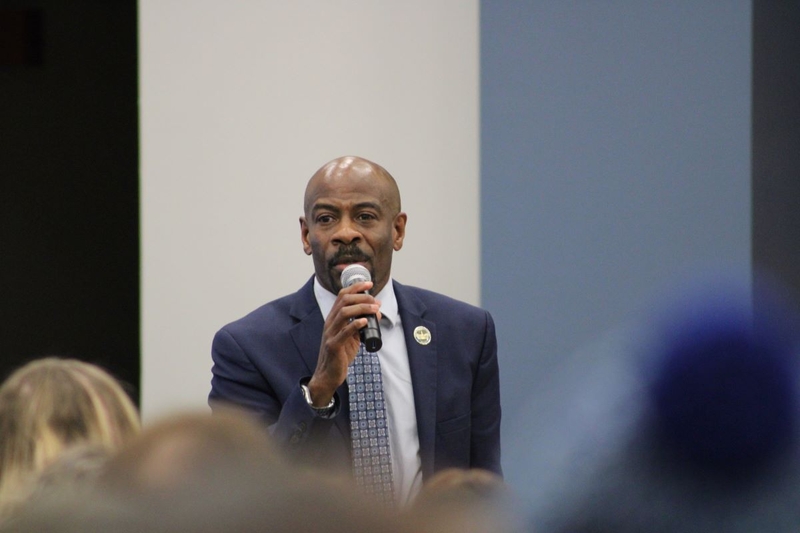
Chukwuocha said his goal is to align Delaware with the federal standard while protecting consumers and limiting access to minors.
“At its core, this bill is about public safety,” he said during a House Health & Human Development Committee meeting last week.
To date, the Delaware Division of Tobacco and Alcohol Enforcement has sent 70 cease and desist letters to over 60 businesses selling THC products, according to DATE spokesman Lieutenant Michael Loiseau. The figure does not include letters that have been sent out by municipalities to different businesses.
Under Chukwuocha’s bill, businesses outside Delaware’s marijuana industry could still sell non-intoxicating hemp products, such as CBD, which are commonly marketed for relaxation, inflammation, and other wellness uses.
But violations involving intoxicating products would generally be treated as a Class A misdemeanor and could rise to a Class G felony in certain cases, including if the business is near a school, daycare, or public park.
Delaware Marijuana Commissioner Joshua Sanderlin spoke in support of the bill during a committee meeting last week, arguing that intoxicating hemp products should be regulated like marijuana because they come from the same plant and can have the same psychoactive effect.
“It’s THC, it’s not hemp. It’s marijuana,” Sanderlin said.
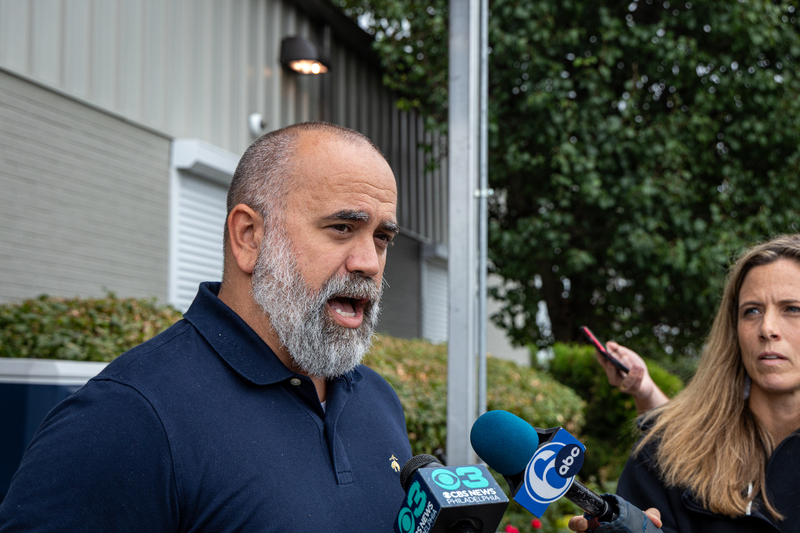
He also argued that unlicensed hemp retailers are undercutting Delaware’s regulated marijuana industry by selling intoxicating products without following the same rules.
“What we’re trying to do in the state is stand up our legitimate program to ensure that these businesses who are investing time and money … are actually able to open,” Sanderlin said.
Sanderlin said Delaware has issued 90 of the 125 marijuana licenses allowed under the state’s recreational rollout.
He said he plans to reopen the licensing process once those existing licensees are established, but noted that many current hemp retailers would likely be out of compliance with marijuana industry rules because they sit too closely to schools and other hemp stores.
Chukwuocha’s bill received pushback from some legislators during its committee hearing about its impacts on the small businesses that have already been operating as hemp retailers.
Also during the meeting, marijuana retailers spoke in favor of the bill, while hemp retailers and smoke shop owners pushed back.
“I know these products are safe. I know they are tested, because if they weren’t, I wouldn’t carry them in my stores,” said Joseph Daniels, owner of Hidden Stash, a smoke shop in Laurel.
Lawmakers ultimately advanced it out of committee to the House floor.
Competing bill creates path for hemp retailers
Unlike Chukwuocha’s bill, a competing bill from Rep. Sean Lynn (D-Dover) and Sen. Kyra Hoffner (D-Smyrna) would create a separate licensing system for hemp-derived THC products – excluding drinks.
HB 401 would allow existing hemp retailers to apply for licenses through the Office of the Marijuana Commissioner. They would only be able to sell items that contained no more than 10 milligrams of THC to adults 21 years old and older.
Gas stations, grocery stores, and convenience stores would not be eligible for the licenses.
In an interview with Spotlight Delaware, Lynn called hemp store owners “the pioneers for what became the marijuana market.”
“So do we reward them for their advocacy and being kind of the first to explore this area by shutting down their businesses? I mean, it just doesn’t seem right,” he said.

Lynn noted that his bill would also allow existing marijuana retailers to also sell hemp products, and asserted that there isn’t “necessarily an inherent competition there.”
His measure would also require lab testing for potency and contaminants, warning labels, and packaging rules meant to keep products from appealing to children.
The bill would also add a 6% state excise tax on retail hemp sales – less than the 15% tax imposed on marijuana sales.
During a House committee hearing Tuesday, lawmakers cited concerns about a provision in the bill that would restrict counties and municipalities from adopting strict rules about how far apart hemp stores could exist from each other. Some also noted that the measure would mean that the state would impose higher licensing costs and more onerous rules on retailers of marijuana than those selling hemp.
Many marijuana business licensees voiced their opposition to Lynn’s bill during the meeting. They asserted that hemp retailers would face an easy, low-cost path to gaining a license, while they faced stricter zoning, security, testing, tracking, and sourcing rules.
“The reward for breaking state law is a ‘sell anything you want’ license’,” said James Brobyn, Director of Delaware Cannabis Industry Association.
State alcohol and tobacco regulators also opposed the bill, warning lawmakers that the bill does not clearly authorize the agency to inspect businesses, seize products, or enforce violations.
They also said the bill focuses too narrowly on delta-9 THC, leaving loopholes for other intoxicating compounds that can be derived from hemp, such as delta-8 THC.
Lynn’s bill ultimately did not collect enough signatures to pass through committee on Wednesday, according to the General Assembly’s website.
But he said the bill is still collecting signatures.
“My understanding is it’s getting out” of committee, Lynn said.
Supporting Lynn’s bill is a separate piece of legislation sponsored by Sen. Kyra Hoffner, which would clarify when hemp-derived products should be treated as legal hemp rather than marijuana under Delaware law.
The bill also sets standards for testing, and would prevent police from using the existence of hemp products as the sole basis for an arrest, search, seizure or criminal prosecution.
To be considered, Hoffner’s bill would first be discussed by the Senate’s executive committee. It is not immediately clear when, or if, it will receive a hearing in the committee.
Asked over text message about hemp legislation, Hoffner told Spotlight on Thursday that “new developments” came up the night before and that she had to speak with leadership to see what actions need to be taken.
When pressed for details about the new developments, Hoffner said, it was “More about the person that was arrested in October.”
It is not immediately clear who she was referencing, nor why it is relevant, as she did not respond to follow-up questions sent by text message.
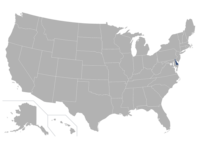
Dover