Delaware awards $23M to local health centers, braces for Medicaid reductions
Sep 25, 2026 | 6:00 am ET
Description
Photo courtesy of Spotlight Delaware
Why Should Delaware Care?
Healthcare in Delaware is among some of the most expensive in the country. As cuts to federally funded programs like Medicaid are set to go into effect later this year, and commercial insurance rates rise, Delaware is looking to reinvent its healthcare ecosystem.
Three Delaware medical centers are poised to receive nearly $23 million this year as the state looks to invest hundreds of millions of federal dollars meant to bolster rural healthcare.
The money also comes as state officials look to invest deeply into primary care options for Delawareans and shift how the state pays for its medical services.
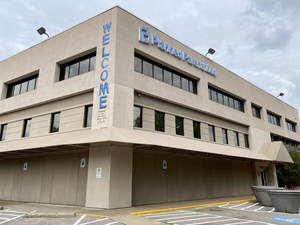
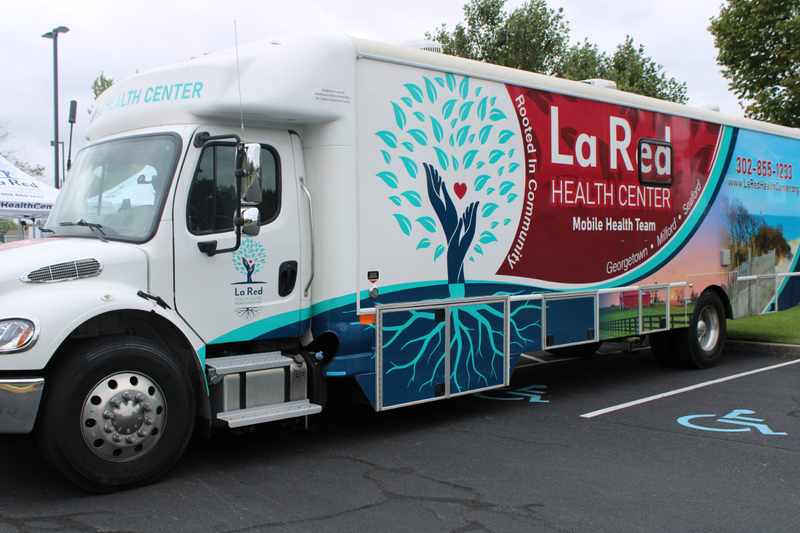
State officials met outside of La Red Health Center in Georgetown on Thursday to make the announcement, where they hope these funds will help to modernize the three federally qualified health centers and bolster their preventative care capabilities.
Federally qualified health centers, also known as FHQCs, are community based clinics that typically offer primary care services in medically underserved areas.
The $22.7 million injection into the state’s three primary FHQCs represents Delaware’s effort to reframe its healthcare ecosystem: keep people healthier on the front end so they are able to avoid costly emergency room visits.
The additional support for FHQCs will be funded by hundreds of millions of federal dollars awarded to the state at the end of last year.
Delaware received $157 million in December in its first of five awards over the next several years. While the exact amount of funding the state will receive remains uncertain, it will be at least $500 million.
The state will also fund 14 other initiatives with the federal grant including its first medical school, two new homeless shelters in the lower counties, as well as a food is medicine program.
How will the FQHCs use the millions?
At Thursday’s press conference, leaders from Delaware’s primary FHQCs gathered to discuss how the awards would help to modernize their operations. Additionally, the health centers are slated to receive more funding in the coming years as part of the five-year federal grant program.
The CEO of Westside Family Health Care, Chris Fraser, said the FHQCs offer services to patients, regardless of their ability to pay.
Westside Family Health Care has locations in Kent and New Castle County, from Wilmington to Dover.
With the new funds, of which Westside is slated to receive $11.3 million, Fraser said the health center would be able to improve its medical records systems.
Fraser said his network would join Epic Systems, a leading electronic health records program behind the online patent portal “MyChart,” which he said would allow the center to better coordinate care for patients who may need additional follow-ups.
In an interview following the press conference, Fraser also said the funds would support modernization efforts that have often been out of reach for the smaller health centers.
Additionally, he said incoming reductions to Medicaid will stretch the health centers financially.
“Some of us are doing well, and some of us are really challenged operationally to make ends meet,” Fraser said. “So the coming Medicaid cuts are going to, unfortunately, make that worse.”
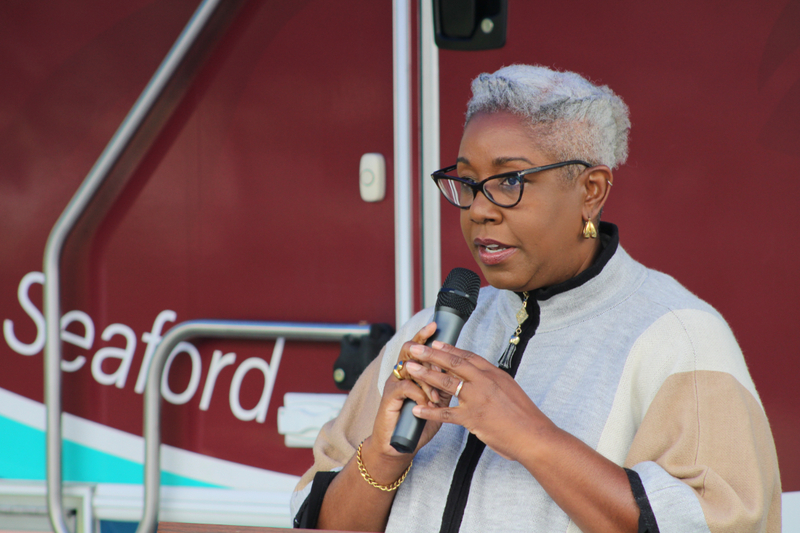
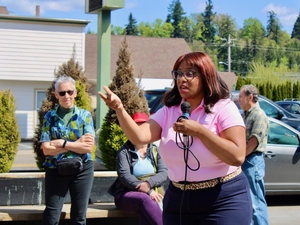
Shay Scott, CEO of the Henrietta Johnson Medical Center in Wilmington, said during the press conference the new funds would allow her team to expand different services to help manage chronic conditions, as well as improve follow-up care.
Henrietta Johnson is slated to receive $1.2 million this year, she said. With the funds, she hopes to prevent “avoidable readmissions” to her facility by offering more preventative care.
Following the press conference, Scott said the funds also would help to transition the health centers more deeply into value based care, instead of the traditional fee-for-service model, which charges patients based on the amount of care they receive.
With value based care, Scott said the systems would be incentivized to provide more care that keeps patients healthier and away from emergency room visits instead of being more “volume driven.”
Separately, La Red in Georgetown is set to receive $10.1 million.
Federal changes
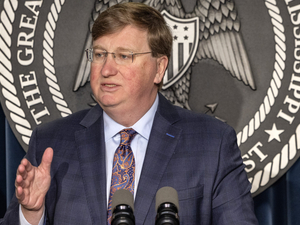
Delaware leaders touted the investment as a benefit to the FHQCs and their patients. And while he was glad to have the funds to improve healthcare in the state, Gov. Matt Meyer challenged the circumstances under which they were awarded.
The federal program from which Delaware received funding was created to court Republican senators hesitant to support more than $900 billion in cuts to Medicaid in the summer of 2025, which could disproportionately impact rural communities and their health care facilities. Those cuts could also lead to privately insured patients ultimately paying more for care.
Meyer said more Delawareans are poised to be without insurance in the coming years, as reductions to Medicaid and price increases on the Affordable Care Act marketplace force some people out.
“We desperately need our FQHCs to make sure that not a single Delawarean falls through the cracks,” Meyer said.
Shortly after the Thursday press conference, the federal government shared a press release celebrating the investments in the FQHCs.
In its release, the Centers for Medicare and Medicaid Services (CMS) said the Trump administration is “delivering on its commitment to strengthen rural America,” by allowing states to create their own programs that improve health outcomes.
The release also outlined some of Delaware’s future proposals like its new medical school and other programs aimed at managing chronic disease in rural communities.
“Today’s investment was made possible through the Working Families Tax Cuts Act — passed by Republicans in Congress and unanimously opposed by Democrats — delivering a historic $50 billion investment to help states transform the way healthcare is delivered in America,” the release said.
Earlier this week at a separate press conference, Meyer had lambasted the Trump administration for cuts and enrollment changes being applied to the federal health subsidies like Medicaid and Medicare.
Still, Meyer said he would do what he could in the coming years to ensure people have access to healthcare in the state.
“I hope people don’t lose their lives because of really stupid policies,” Meyer said.
Dover