Data shows big jump in WV voters choosing no-party ballot in closed Republican May primary
Sep 10, 2026 | 5:57 am ET
Description
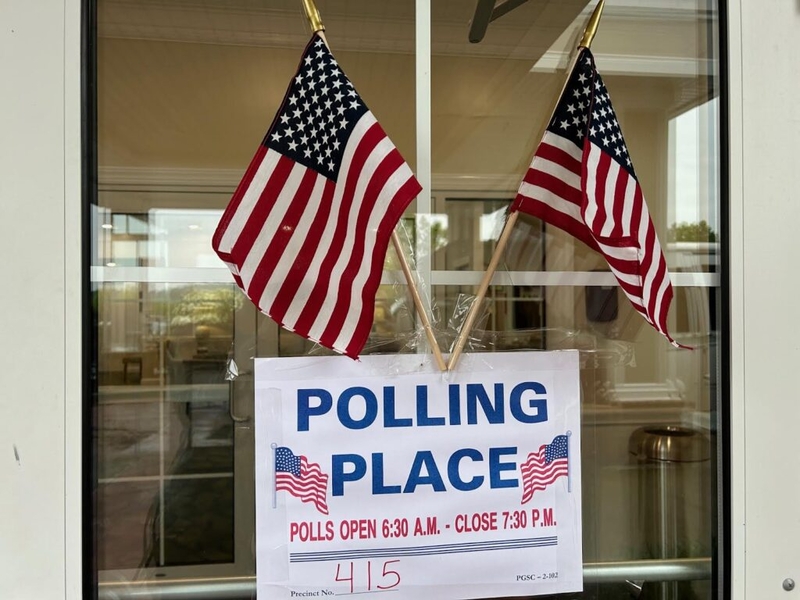
A sign marks a Kanawha County polling place during an election. (Photo by Lori Kersey| West Virginia Watch)
In a stress test for West Virginia Republicans’ return to a closed primary, new data shows fewer Republicans came out to vote in the May primary election compared to the 2022 primary.
Despite an education push from the state GOP ahead of Election Day, non-affiliated voter registration in 2026 climbed by 13% since the last mid-term primary in 2022. While Republican ballots were the most used this year, more than 21,000 residents selected a no party ballot — a 74% increase from 2022.
The Secretary of State’s office released comprehensive data Wednesday on May’s primary, which was an unusual election in terms of big spending to influence state-level races in the midterm. Gov. Patrick Morrisey also involved himself, backing a number of incumbents and challengers to lawmakers in his own Republican party.
Voters also faced a closed Republican primary for the first time since the 1980s. Privately, some Republicans surmised that the closed primary impacted the Supreme Court races because unaffiliated voters could take out their frustrations in the statewide judicial races available on every ballot.
Independents joined Democratic voters in rejecting Morrisey’s picks for the West Virginia Supreme Court, opting to elect Bill Flanigan and H.L. “Kirk” Kirkpatrick to the state’s highest court.
The Secretary of State’s office compared May’s voting data to 2022 since it was the last midterm election cycle.
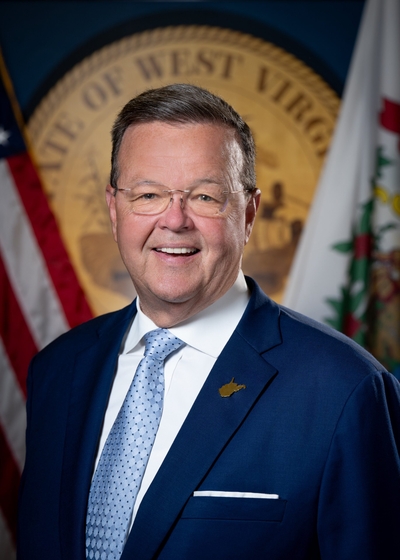
“Election administration is one of the most important responsibilities of my office, and my team works closely with all 55 county clerks to ensure every eligible voter has the opportunity to participate and that every ballot is secured and counted accurately,” Secretary of State Kris Warner said in a statement. “West Virginians deserve elections that are safe, secure, transparent, and fair. This report reflects our commitment to delivering exactly that.”
Near the close of registration for the primary election, West Virginia had 1,198,036 registered voters eligible to cast a ballot. Of them, 21.03% of all eligible voters participated in the primary election. The majority of voters participated in-person.
Republican voter registrations continued to climb since 2022, but there was a 22% decrease in the number of Republican ballots cast in May.
The number of Democratic registered voters fell by 17% in this same time period, but the party reported a slight increase in the number of ballots cast in May.
Of the 252,008 ballots cast, 126,365 were Republican ballots and 104,028 were Democratic.
The Secretary of State’s Office also shared that the highest rate of reports of issues at the polls involved missing, incomplete or unclear polling place signage. The second highest number of complaints involved the closed primary election requirements
The May primary also marked the first implementation of a new voter identification law that strictly required voters to have a photo ID like a driver’s license, passport or a resident identification card to vote in-person. State lawmakers eliminated 11 formerly accepted identification options, like Medicaid cards and utility bills, in a 2025 measure.
The mid-term general election is Nov. 3 in West Virginia. All 100 House of Delegates seats are on the ballot along with Senate seats, Congressional seats and a constitutional amendment regarding citizenship and voting rights.
The last day to register to vote is Oct. 13.
Charleston, WV