Dane Co. judge says absentee voting system discriminates against people with disabilities
Aug 06, 2026 | 3:20 pm ET
Description
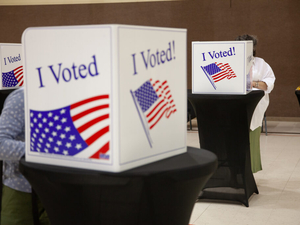
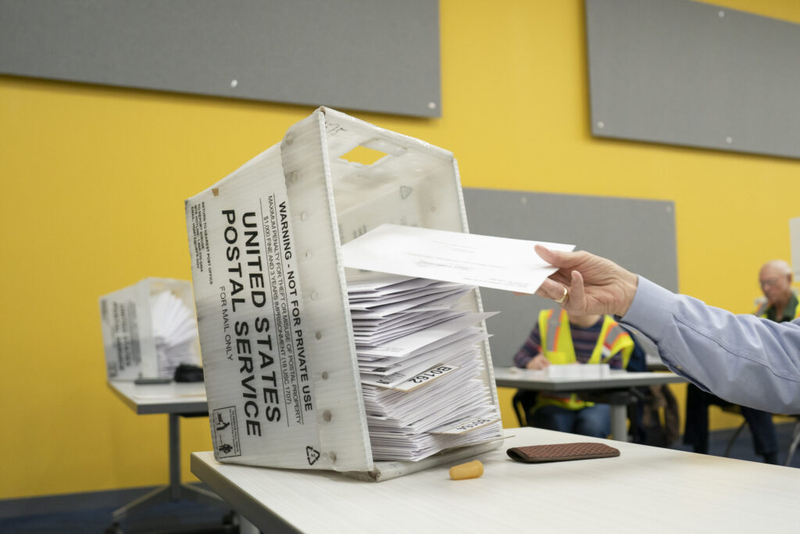
RALEIGH, NORTH CAROLINA - SEPTEMBER 17: Absentee ballots are prepared to be mailed at the Wake County Board of Elections on September 17, 2024 in Raleigh, North Carolina. North Carolina will send out absentee ballots to military and overseas citizens by September 20. Other absentee ballots will be sent by September 24 to voters who requested ballots by mail. Early voting begins October 17. (Photo by Allison Joyce/Getty Images)
A Dane County judge found that Wisconsin’s absentee voting system discriminates against voters with print disabilities by forcing them to have someone else assist them with filling out their ballots — undermining the secrecy of their vote.
In a ruling issued Tuesday, Judge Everett Mitchell sided with Disability Rights Wisconsin and the League of Women Voters who had brought the lawsuit against the state Elections Commission to ensure that voters who have trouble seeing, reading or filling out their ballot can request, receive, vote and return an absentee ballot on their own.
The groups, and four voters with disabilities, brought the lawsuit in April 2024 and were represented by the voting rights focused firm Law Forward, arguing that the state’s existing system violates the Americans with Disabilities Act and the Rehabilitation Act.
In his decision, Mitchell wrote that WEC must follow the ADA’s requirement to accommodate voters with disabilities and that the current system allowing people with print disabilities to have someone else fill out their ballots denies the voters “the equal opportunity to vote absentee privately and independently.”
While he agreed that the current system is discriminatory, Mitchell did not grant the request that disabled voters be allowed to cast their absentee ballots electronically, writing that “there remains a genuine dispute of material fact with respect to whether their proposed accommodation is reasonable.”
Further hearings will be held in the case to determine the best solution.
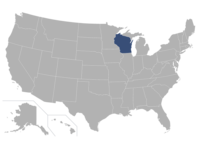
Madison, WI