Critics condemn police purchases of cars, K-9s, gym gear from NJ opioid funds
Nov 17, 2026 | 7:00 am ET
Description
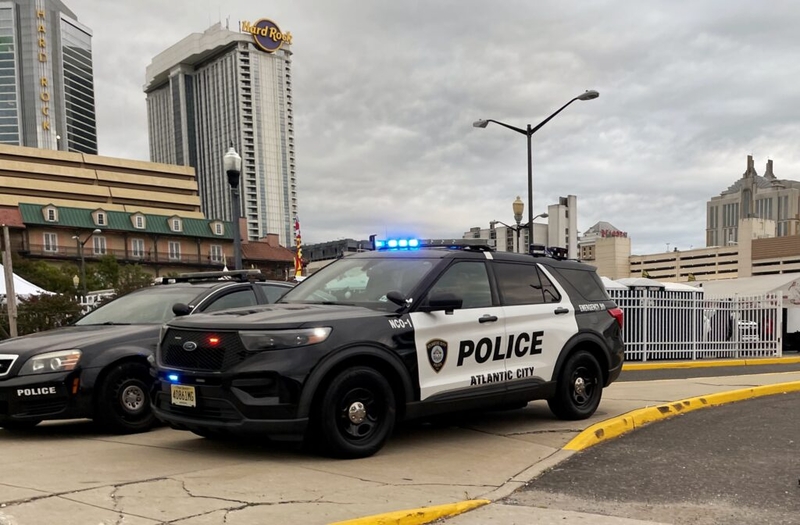
New Jersey police spent millions in opioid settlement funds on cars, canines, surveillance, and more. New legislation would bar such uses. (Photo by Dana DiFilippo/New Jersey Monitor)
In Ocean County, a day’s work might mean Elizabeth Burke Beaty, a harm reductionist, helps someone struggling with drug addiction by getting them a ride to treatment, connecting them with a food pantry or housing assistance, or even traipsing into the woods to bring them a new tent.
Law enforcement agencies in Ocean County, though, have decided that helping people beat addiction means splurging on new police cars, canines, surveillance cameras, street signs, body armor, and more.
Police across New Jersey have commandeered millions of dollars that pharmaceutical companies have paid New Jersey, its 21 counties, and 241 of its largest municipalities since 2022 to settle lawsuits over the deadly opioid epidemic.
With the state set to receive over $1.1 billion in settlement funds through 2038, advocates now are demanding that lawmakers tighten oversight of spending to ensure it meets approved uses — addiction prevention, treatment, and support services for people in recovery.
“The police have been well-funded for very, very long, and they’re not recovery specialists,” said Burke Beaty, founder and CEO of Sea Change Recovery Community and Harm Reduction Center. “The money that they’re taking is not in the spirit of repairing all the harms caused by Big Pharma.”
A New Jersey Monitor analysis of municipalities’ spending reports and records on the watchdog site Opioid Audit shows that police spent opioid funds in all sorts of ways that don’t directly help people harmed by addiction.
Seventeen agencies spent more than $1.5 million on cars, lights, lettering, vehicle wraps, and related expenses. Eleven departments spent more than a half-million dollars on police canines, kennels, canine training, and veterinary care. Seven bought surveillance cameras and automated license plate reader systems.
At least 20 spent money on technology including drones, digital roadside billboards and radar systems, e-bikes, vape detectors for schools, police radios, mapping software and investigative databases, drug analyzers and breathalyzers, and defibrillators.
Scores more used settlement funds to pay for officer training, salaries and overtime, staff wellness programs, bicycles, gym equipment, subscription renewals, body armor, clothing, National Night Out costs, junior police academies, school assemblies, and associated promotional materials.
The departments typically characterized the spending as prevention, harm reduction, community engagement and education, and recovery support.
But officials often stretched the definition of those terms.
Wall Township explained spending more than $30,000 of opioid funds on treadmills, weights, and other gym equipment as an investment in the “mental health of first responders.” Garfield police cited public awareness as the chief goal of $5,450 they paid for a vehicle wrap and thousands more spent on a “Let’s Knock Out Opioid Use Together” festival that featured a live DJ, several inflatable bounce houses, food vendors, a pop-up party area, and a helicopter landing display.
While the settlement requires officials to invest in evidence-based strategies to reduce addiction and repair harms, some police spending seems to flout that rule. In Highland Park, police bought 10 anti-choking devices for $605 last year even though state health officials issued a cautionary statement about the devices and the federal Food and Drug Administration has warned that using them carries risks.
In many cases, police invested opioid funds in things that have historically been paid for out of their budgets, such as police salaries, vehicles, and safety gear. Watchdogs have long warned against using opioid money as “slush funds” or to plug budget gaps.
Much of such spending would be barred under new legislation Assemblywoman Maureen Rowan (D-Atlantic) introduced Monday.
Rowan’s bill would prohibit police and public officials from using opioid funds on any activities, equipment, or technology that normally would be paid out of municipal, county, or state budgets. It also would forbid spending the funds on police training and salaries not specifically tied to addiction remediation, drug takeback programs, and anything related to surveillance, crime detection, search and seizure, evidence gathering, and criminal processing.
It lists specific policing items as disallowed, including drones, traffic enforcement signage, drug simulation goggles, high-dose naloxone, and agency marketing and promotional items. And it would set a 5% cap on how much opioid funds an agency could spend on administrative expenses.
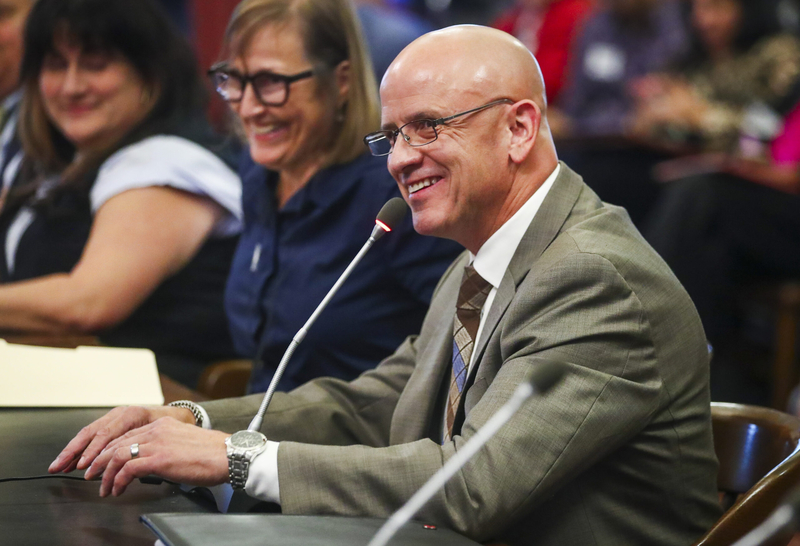
John Donnadio, who heads the New Jersey Association of Counties, welcomes the clarity.
His group and the New Jersey State League of Municipalities have pushed state officials to provide more guidance on acceptable spending, even though quite a bit already exists, including approved uses listed in the national settlement itself, a memorandum of agreement former Attorney General Andrew Bruck issued in 2022, a law New Jersey lawmakers passed in 2023, a lengthy strategic plan a state advisory panel put out last year, and guidance from harm reduction groups.
“Maybe if they were more specific, we would avoid this,” Donnadio said. “Like the state, or the Department of Human Services, the Attorney General’s Office, or whatever office said, ‘Alright, this is an inventory of what’s good: naloxone kits, transportation for individuals to treatment if they can’t afford it, reaching out to the homeless population.’ And ‘bouncy houses are bad things. Car wraps are bad things,’” he said. “I don’t know if that’s the answer, but I think that would be helpful. Then there’s no wiggle room. There’s no gray area.”
League officials didn’t respond to requests for comment. But Raymond Heck, a past president of the group and Millstone’s mayor, told lawmakers last month at a public hearing on opioid spending that many local governments want more detailed guidance.
Heck, a state correctional officer and member of the New Jersey Police Training Commission, denied any ill intent in past spending decisions.
“I don’t believe the municipalities, the counties, are doing wrong. The ones that are questionable? We just want to make it better. Give them direction,” Heck said.
Restrictions on police use of opioid funds are reasonable — and overdue, considering law enforcement historically has treated addiction as a crime instead of a public health crisis, harm reductionists say.
“Why would we be giving more money into that same system of criminalization?” said Eva Mancini of the New Jersey Organizing Project.
Katie Carter lost her mother to an overdose five years ago and struggled with addiction herself. She credited her recovery largely to help from harm reduction groups including Atlantic City’s Oasis. She now works with Mancini to help others still fighting for sobriety.
“In my own experience, the way people who use drugs are treated by police is not kind,” Carter said. “That’s personally why I think that they don’t deserve the money.”
Trenton, NJ