Corporation Commission candidates differ on Oklahoma data center regulation, utility rates
Oct 05, 2026 | 4:00 pm ET

Description
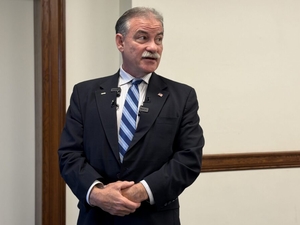
Republican Brad Boles, left, and Democrat Rhonda Eastman, right, will compete in the general election for a spot on the Oklahoma Corporation Commission. (Photos provided)
OKLAHOMA CITY — Oklahomans will decide between two Oklahoma Corporation Commission candidates who differ in how they want to regulate data centers and utility rates.
Republican Brad Boles said he believes the Corporation Commission needs to enforce whatever data center regulations the Legislature enacts, while Democrat Rhonda Eastman said she thinks there should be a pause on new ones while they are studied further by the state.
The two candidates are set face off on the Nov. 3 ballot for a six-year term to fill a seat currently held by Commissioner Todd Hiett. Hiett cannot run again due to term limits.
The Oklahoma Corporation Commission is a three-person elected body that regulates various state industries from public utilities to oil and gas. Commissioners earn an annual salary of $150,000.
Boles, a state representative from Marlow, said his experience growing a small business in the private sector, his time as the House energy chair and his education in finance set him apart from his opponent.
He authored a bill to require new data centers to pay for their own cost of construction and energy costs in an attempt to protect Oklahomans’ energy bills.
The role of the Corporation Commission in regulating data centers is to enforce what the Legislature mandates, he said.
“Every rate case is unique, and we don’t want the Legislature making a one-size-fits-all for everything,” Boles said. “So we want to create a basic framework that protects ratepayers, and let the commission do what they can. They have all the resources, the staffing, the experts to ensure that these laws go into effect …and if they want to go in addition to that, then that’s their prerogative.”
Eastman, of Spiro, also said regulation is up to lawmakers to define. But she said she wants to see data centers be “fully compliant” with whatever is enacted.
She said she’d like additional studies on their impact, and she suggested potentially putting new construction of the centers, which house and maintain the physical equipment needed to process digital information, on pause.
“My fear is this is going to become an extremely rapid pace and that certain jobs are going to be done away with,” Eastman said. “And when you do away with somebody’s livelihood and you haven’t built some kind of safety guards … it’s going to create a massive hardship on the economy of our state.”
Eastman worked for the state for 16 years at the Employment Security Commission before returning to the private sector. She is concerned about rising utility costs, abandoned oil and gas wells, and a lack of regulations for data centers.
Eastman said she stands out as a candidate because she is not a politician and has never held office before. She also said she is not accepting donations from the industries the Corporation Commission regulates.
Regulating utility companies
Boles said there needs to be a balance between affordability for ratepayers and having a reliable energy grid and infrastructure, especially as more large load consumers like data centers come to Oklahoma.
“I think it’s important that we have that balance and we ensure that the residential ratepayers get the benefit of this extra volume going to the grid,” he said.
The role of the Corporation Commission is to be an advocate for the ratepayer, not corporations, Eastman said.
“Large corporations, they have an army and a fleet of attorneys that advocate for them,” she said. “But your commissioners, their role is to advocate for the people.”
Advocating for ratepayers also includes pushing back against legislation that could increase burdens on them, Eastman said.
Agency oversight
One issue that both candidates agree on is that the three corporation commissioners need the ability to provide greater oversight of the expenditure of public money.
The Oklahoma Corporation Commission entered into over $310,000 worth of severance agreements in the last 18 months, but only one was signed off on by the commissioners, according to records released to Oklahoma Voice through an open records request.
Boles said there needs to be greater oversight.
“I’m a business owner, and I understand sometimes you have to do compensation packages or whatever,” he said. “But I think it’s different with taxpayer money.”
The commissioners are the ones elected and accountable to the people, so they need the authority to sign off on every compensation package, Boles said.
Eastman also said the commissioners should play a greater role and monitor agency executives.
“I definitely think that the Corporation Commission should do some oversight with all of the agencies that are under our umbrella and ensuring that the agencies are operating properly,” she said.
If agency employees are acting in “bad faith,” there should be commissioner oversight, Eastman said.
Oklahoma City, OK