Conservationists push to preserve national wildlife refuges, fearing federal changes
Aug 25, 2026 | 6:41 am ET
Description
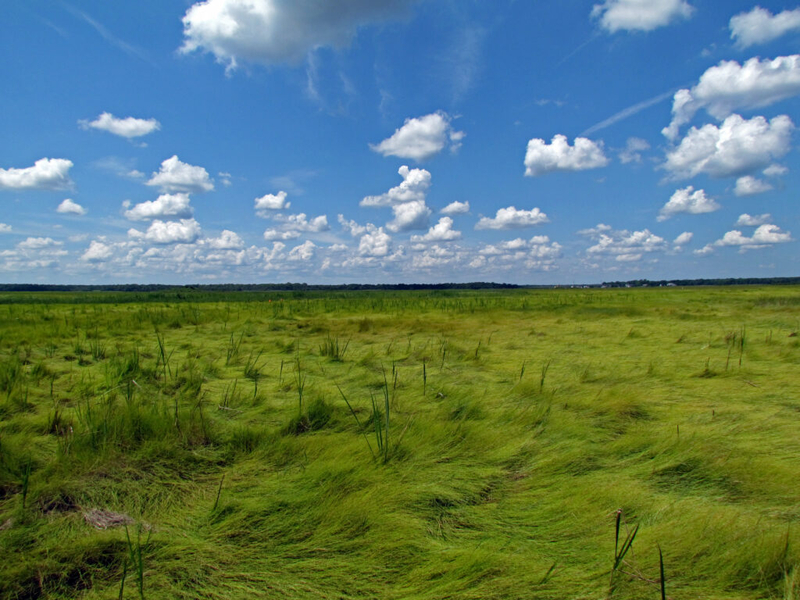
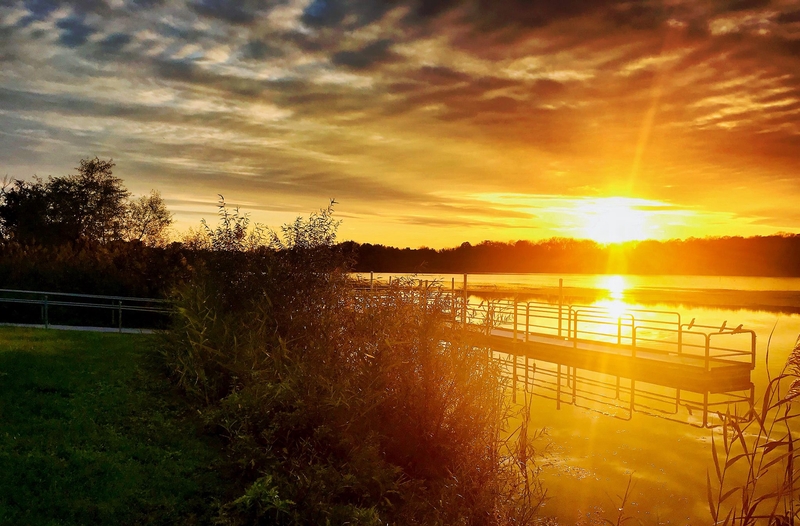
Two previously separate refuges known as Brigantine and Barnegat combined in 1984 to form the Edwin B. Forsythe National Wildlife Refuge. It covers about 48,000 acres of coastal salt marsh, back bays, and barrier beach in Atlantic and Ocean counties. (Photo courtesy of the U.S. Fish and Wildlife Service)
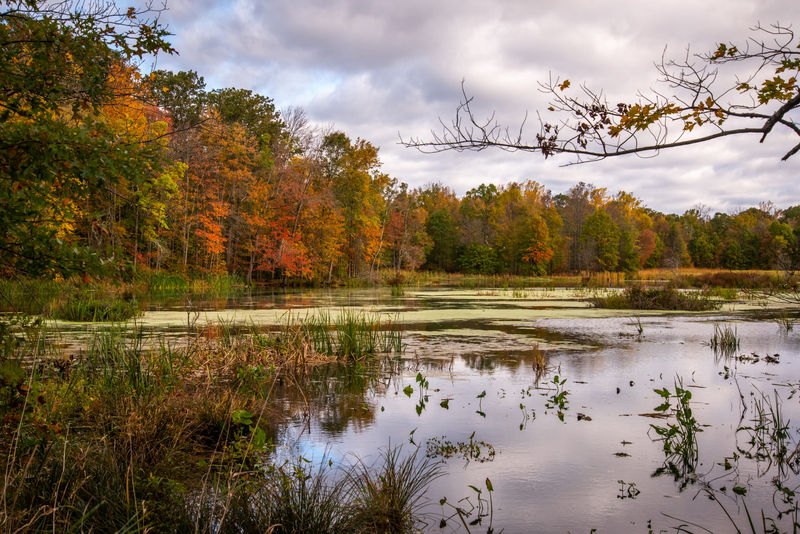
People seeking unspoiled nature in New Jersey have long found it at places like the Edwin B. Forsythe National Wildlife Refuge in South Jersey and the Great Swamp in Morris County, public lands where federal protections allow fish, migratory birds, and other native species to flourish.
But those natural areas now are in peril, conservationists warn, with President Donald Trump’s administration recently launching a sweeping review of longstanding wilderness management policies under the National Park Service, Bureau of Land Management, and U.S. Fish and Wildlife Service.
The review comes after the administration has cut staff and spending at national parks and wilderness refuges from coast to coast, and amid a broader effort to strike down conservation rules federal officials say impede logging, mining, grazing, and oil and gas development, among other things.
“We are very concerned about the increased industrialization and commercialization of some of our protected areas,” said Jackie Feinberg, the Sierra Club’s national lands conservation campaign manager.
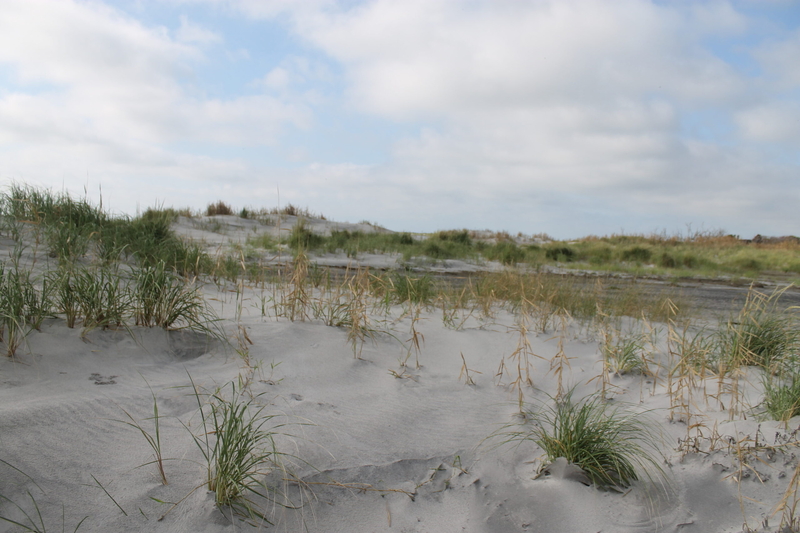
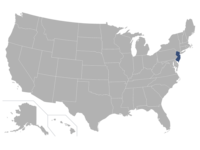
New Jersey, the nation’s most densely populated state, has five national wildlife refuges covering 80,358 acres: Great Swamp, Forsythe, Cape May National Wildlife Refuge, Supawna Meadows in Pennsville, and Wallkill River National Wildlife Refuge in Sussex.
The five preserves are a favorite stopover of migratory birds, including threatened species like the piping plover, and several are the indigenous homelands of the Lenape tribe.
They’re among 573 national wildlife refuges spanning 856 million acres of land and water across the country, and they’re protected by rules that have largely been in place for decades.
While there’s no known threat to New Jersey’s sites, wildlife refuges elsewhere have landed in the Trump administration’s crosshairs.
In Alaska, the Interior Department agreed last year to a controversial land swap in which the feds would give 490 acres of the Izembek National Wildlife Refuge to a tribal organization that wanted to build 10 miles of road through the refuge. A federal judge blocked the plan just last week. And in Virginia, federal authorities are considering a similar deal that would give 36 acres of the Prince William Forest Park to a developer to build at least four data centers.
The feds haven’t specified the goals of their policy review, other than “expanding access to outdoor recreation while ensuring public lands remain well managed, accessible and preserved for future generations.” They’re also eyeing recreational rock-climbing management and recently wrapped up a 60-day period of public comment on both issues. They offered no timeline on what’s next.
“Under President Trump’s leadership, Interior is focused on expanding outdoor recreation opportunities, removing unnecessary barriers to access and use and managing public lands in a way that benefits the American people,” Interior Secretary Doug Burgum said in a June announcement of the review.
But environmentalists say the administration’s “act first, explain later” approach to policymaking has them worried.
“What we have seen with some of the reviews that they’ve had over the past year and a half, such as with national monuments, is that they aren’t necessarily releasing their specific proposals until they’re taking action to undo protections or to change the management of areas, so that it basically weakens the protections that Congress intended for those places,” Feinberg said.
The Sierra Club was one of over 100 groups that sent a letter earlier this month urging Burgum and other officials to preserve existing wilderness stewardship policies.
“These directives have been refined over decades under both Republican and Democratic administrations to help agencies fulfill their statutory responsibilities, provide consistency for management of lands across geographies, and support informed decision-making,” the groups wrote. “Maintaining this framework promotes continuity and certainty for agency staff, local communities, and stakeholders. No compelling justification has been provided for substantially revising or weakening these durable standards.”
The conservationists want people to lobby their congressional representatives to challenge any policy changes the Trump administration might have in store, to ensure that protections for pristine public lands remain in place.
Feinberg pointed to recent challenges to the Trump administration’s efforts to build a border wall in Big Bend National Park in Texas. Immigration officials paused that construction after bulldozers began clearing the land and ignited public fury, including from elected officials.
“Some of that has been really impactful,” Feinberg said. “So we really need those members right now to do all they can to push back against these threats from the administration.”
She added: “Many of these places took a really long time to protect in the first place. It is up to us to ensure that they remain protected — by really making our voices loud, by looking to encourage Congress to put fund limitations on these actions, by building the public record for future litigation.”
Trenton, NJ