Coalition launches campaign opposing constitutional amendment on taxes
Sep 09, 2026 | 3:22 pm ET
Description
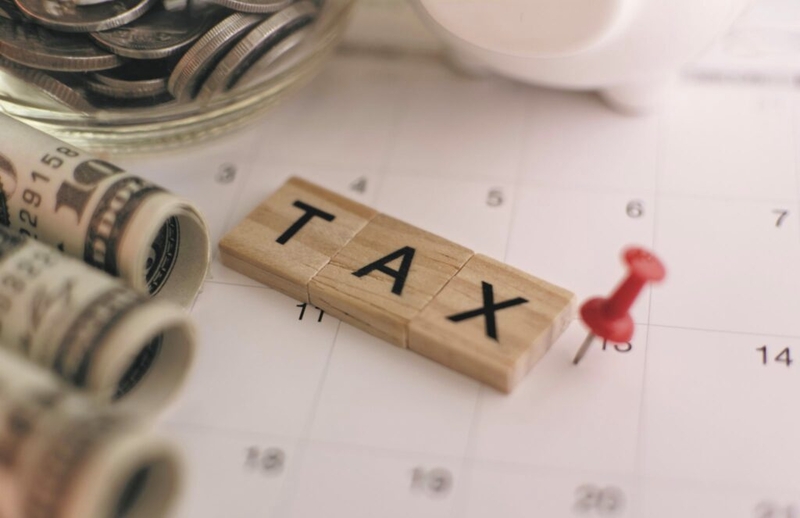
A coalition of Iowa organizations is launching an educational campaign opposing a proposed constitutional amendment that would require a two-thirds vote of Iowa lawmakers to raise personal or corporate income taxes. (Photo by Getty Images)
A coalition of Iowa organizations launched a campaign Wednesday opposing the Nov. 3 ballot issue that will ask Iowa voters whether to amend the state constitution to require a two-thirds majority vote of lawmakers to raise state personal and corporate income taxes.
Fair Taxes for Iowa’s Future, which includes labor unions, progressive nonprofits and others, is planning an informational campaign opposing Amendment 1.
Anne Discher, executive director of Common Good Iowa, said people’s first impression of a law making it harder raise taxes tends to be favorable. But, she said, “When you actually talk to people about the tradeoffs that are required, the equation gets a lot more complicated. The more we talk to people about this amendment, the less people like it.”
Members of the coalition said Wednesday that requiring a supermajority of lawmakers to raise income taxes would lead to cuts in services Iowans depend on and other revenue increases that disproportionately affect lower-income families.
“Amendment One doesn’t cut anyone’s taxes. It just makes it permanently harder to fix what’s broken, and our schools are what gets cut first,” Joshua Brown, representing Iowa State Education Association, said.
Coalition representatives said during a news conference that Iowa’s budget is already strained by years of tax cuts that have largely benefited the wealthiest Iowans and led to a second year of billion-dollar budget deficits offset by spending from reserve funds.
Kylie Spies, senior policy advocate for Common Good Iowa, cited the elimination of state taxes on inheritance and retirement income and multiple cuts in personal and corporate income tax rates leading to the current 3.8% flat-rate income tax. “An estimated two-thirds of the benefits of that income tax change went to the top 20% of income earners,” Spies said.
Coalition members said states that have enacted supermajority requirements for tax increases tend to look to alternative revenue sources – especially sales taxes. “Sales tax is the most regressive form of taxation. The bottom 20% of income earners pay six times more of their income in sales tax than the top 1% It’s also one of the primary sources of state general fund revenue,” Spies said.
Iowans for Tax Relief launched a campaign in July to promote the amendment, saying a majority of Iowans support making it harder to raise taxes. The group argued the amendment would not prevent tax increases but require a stronger consensus.
Discher said Fair Taxes for Iowa’s Future will likely not raise as much money for its campaign as backers of the amendment will. She said the current plan includes yard signs and potentially digital advertising.
But she said the group was hopeful based on the results of a vote in Missouri last month that soundly rejected a proposed constitutional amendment that would have phased out the income tax and limited other taxes.
A poll released in August found that likely Iowa voters are sharply divided over the proposed amendment – but nearly a third remain undecided. The Suffolk University Political Research Center poll, released Aug. 26, found roughly 33% of likely Iowa voters planned to vote “yes” on Amendment 1, while 36% planned to vote against the amendment. An additional 30% said they were still undecided, while 1% refused to answer the question.
Des Moines, IA