Central Maui Election Will Bring A New Face To The Council
Oct 19, 2026 | 6:01 am ET
Description
Photo courtesy of Honolulu Civil Beat
With two open seats heading into the Nov. 3 general election and other races expected to be competitive, the Maui County Council will welcome at least two new members in January.
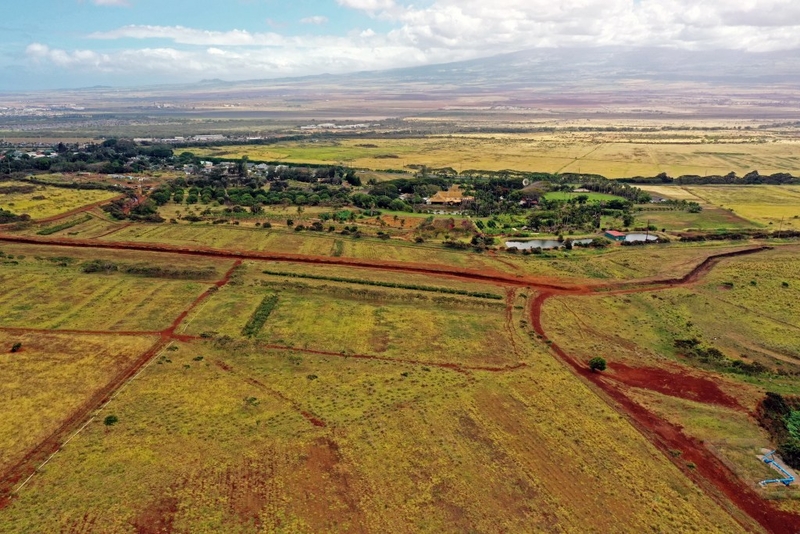
One of the new faces will be either Marvin Moniz, the longtime airports manager for the state Department of Transportation, or Ashley Awakea Lindsey, who has served on the Maui Planning Commission and the Maui Redevelopment Agency. They are competing for the Wailuku-Waihe‘e-Waikapū seat on the council, which is open since longtime council member Alice Lee announced that she planned to step down at the end of her term.
Moniz said that after years of managing local airports through airline bankruptcies, the Covid-19 pandemic, extreme weather events and budget challenges, he's ready to help county officials address the rising cost of living and other issues prompting residents to leave Maui.
“As I roam the airport throughout the day, I’ve started to see a lot of local people moving away. I see kids crying on the street, saying goodbye to their grandparents and not wanting to leave,” he said. “A couple of the parents said, ‘We have to move away because we can't afford to stay here.’ That's when it really hit me.”
Lindsey was two weeks postpartum when she decided to file her papers to run for council, inspired by her desire for Central Maui to be represented by someone who understood the community and local government processes, especially as officials dive into updating the Central Maui Community Plan.
“I was kind of waiting for someone kind of younger, who was involved in the community, who knew what was going on,” she said. “Ideally a local or multi-generational Maui resident. But nobody came forward.” She said she has a stake in the game being one of the only candidates running with young children.
Moniz pulled way ahead of the other candidates in August’s crowded primary race, earning 34.5% of the vote. He earned an early endorsement from Lee, and he has been backed by groups such as the Maui Hotel & Lodging Association, the Hawai‘i Government Employees Association and the General Contractors Association of Hawaiʻi.
Lindsey finished second in the primary, with just under 19% of the vote, and has been endorsed by the influential Hawaiʻi Regional Council of Carpenters. In addition to serving on the Planning Commission and redevelopment agency, Lindsey has been on the board of the Maui Historical Society and participated in two local leadership programs — Ka Ipu Kukui and Partners for Democracy.
Cost Of Living
Lindsey and Moniz both expressed concerns about Maui’s rising cost of living, which has resulted in a pattern of local families being forced to leave the island.
While Lindsey emphasized the importance of long-term community planning and giving younger, multigenerational residents an opportunity to express their desires for the future of Maui, Moniz said his focus was on more immediate actions like offering tax credits to homeowners and developers for below average water or electricity usage, approving more workforce housing projects and incentivizing developers to invest in local infrastructure and take advantage of underutilized land.
“That workforce housing would be a start, especially the people on the west side right now, after the Lahaina wildfire and Upcountry wildfire,” Moniz said.
He acknowledged that some affordable housing projects that would have benefited residents who were displaced by the 2023 wildfire have been delayed due to concerns about water availability and other issues. Moniz said he would prioritize researching ways to address those problems, such as by investing in desalination or promoting increased use of recycled water for irrigation and aesthetic features, to get those projects moving again.
“The thought process behind all of this is, how do we keep our people at home? First of all, we need to have affordable housing. Then, to provide services for Maui, we need people to provide those services — whether it be in our tourist industry, whether it be in agriculture, and hopefully someday we'll see some form of technology as another industry,” he said. “But I think for us to serve any one of those three industries, we need housing. We need people to live here to work here.”
He added, “The focus would have to be on making sure our residents, first of all, get a place to stay, a place that they can afford.”
Lindsey said new and redevelopment would be an important part of the solution to Maui’s increasing lack of affordability, and said her experience as a planning commissioner has prepared her to consider development plans as a council member.

“Every project is individual. I come at it with new eyes every single time,” said Lindsey, whose term on the planning commission ended in March. “If you follow my track record, I'm not, like, pro-development and I'm not anti-development, because I sit there and read however many thousand pages and I listen to however many long hours of testimony. I read every page of it, and then I make a decision individually for every project.”
She carefully weighs the pros and cons of any project, she said, pointing to a recently approved multi-story housing development near the bus transit center in Kahului.
“I love it. It’s 100% affordable and it’s going to be a quick turnaround time, but it’s huge. The building is so tall. They need that space to be able to house more people,” she said. “There's all these reasons why you should say yes, but also Maui is not used to the huge buildings, and that was a big point for me.”
Such a tall building would be a major change for Maui, Lindsey said, but it might be the kind of change that is necessary for local and multi-generational families to be able to stay on the island.
“Having that foresight and that insight to understand all of that takes time, and it takes work to understand,” she said.
Lindsey added that serving on the planning commission and contributing to the South Maui Community Plan process helped her realize the importance of long-term planning. She wants to have a seat at the council table when officials finalize the Central Maui Community Plan, which could have long-term implications that determine whether Maui is affordable and recognizable to her children and other multi-generational residents in the future.
“Central Maui is where most of the business happens, where local businesses are and the government,” she said. “Understanding the process, and understanding that the plan was last changed 30 years ago… It’s about keeping people home, understanding our environment and where we are and who we are, and keeping our cultural identity… Maui needs to be Maui.”
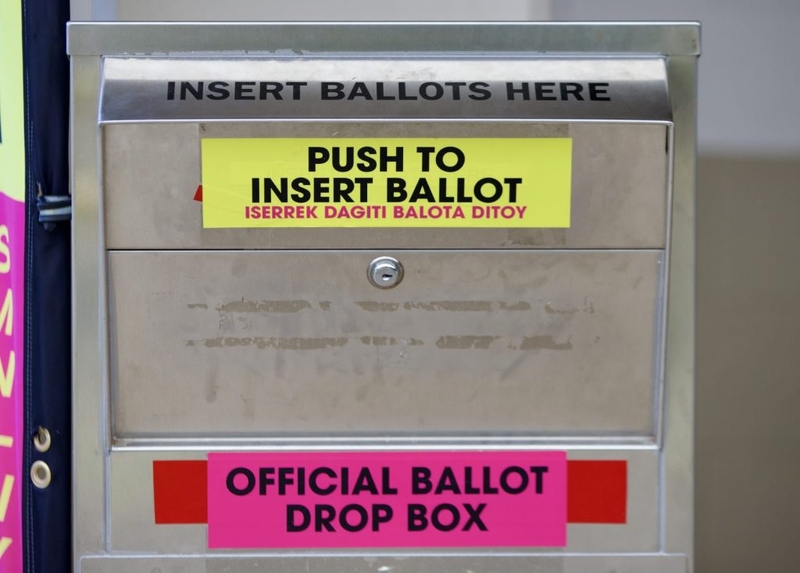
Friday was the deadline for mail-in ballots to reach voters in the Nov. 3 general election. Voter service centers open Tuesday for in-person voting.
Honolulu, HI