Care Callers, ‘speed friending,’ other efforts to help Marylanders combat loneliness
Nov 02, 2026 | 10:07 pm ET
Description
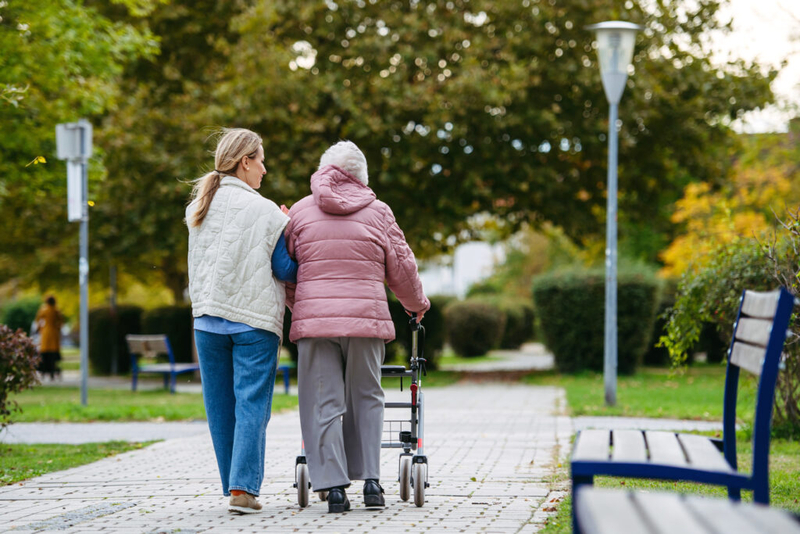
The loneliness epidemic that began during the COVID-19 lockdown remains and can cause physical as well as emotional damage, officials say, which is why some organizations are taking steps to reach out to isolated or lonely individuals. (Photo by Halfpoint Images/Getty Stock photo)
In the social distancing days of the COVID-19 pandemic, national health leaders warned that social isolation and loneliness not only bring emotional wounds but also take a physical toll on the body, increasing risks of premature death and other health outcomes.
The social distancing days may be gone, but experts say that social isolation is still a problem, particularly for seniors but also for people with disabilities and teens to young adults.
One hospital CEO says there may be a simple solution, which also has its roots in the pandemic — just pick up the phone.
Meritus Health CEO Maulik Joshi created a pilot program in the early years of the COVID-19 pandemic in which volunteers called patients who identified as lonely to simply check in on them – ask about their day, bond over shared interests like sports, and build an ongoing connection.
“Five years ago, we thought ‘let’s try something simple.’ And that was to just call people and talk to them on the phone and make a connection with them,” Joshi said in a recent interview. “Loneliness and social isolation really are of epidemic proportions — COVID didn’t cause it, but it certainly accelerated that.”
Since launching in November 2021, the Care Caller program has had about 1,800 patients participate. Today, 60 active volunteers and four contracted callers connect with over 350 people who use the care caller services.
Guns, drugs, budget cuts, AI join traditional maladies at public health forum
Joshi himself participates as a volunteer, regularly speaking with one of the first patients to take part in the program.
“We really believe that these practical, pragmatic interventions can go a long way,” he said. “Who would have thought that just a phone call here and there would make a difference? … All the little stuff we do does add up to big health outcomes.”
He said that Care Caller patients span all ages and demographics, though about 60% of the participants are 60 years old or older. An AARP survey found that Marylanders over age 50 may have the nation’s highest rates of feeling lonely or left out.
Before the COVID-19 pandemic, about half of adults reported experiencing loneliness, according to an official advisory issued in 2023 by then-Surgeon General Vivek H. Murthy. In that advisory, “Our Epidemic of Loneliness and Isolation,” Murthy warned that loneliness is “more than just a bad feeling.” It also comes with greater risks of cardiovascular disease, dementia, depression and premature death, among other concerns.
“The mortality impact of being socially disconnected is similar to that caused by smoking up to 15 cigarettes a day, and even greater than that associated with obesity and physical inactivity,” the report said. “We have an opportunity, and an obligation, to make the same investments in addressing social connection that we have made in addressing tobacco use, obesity, and the addiction crisis.”
That advisory brought national attention to health outcomes that accompany social isolation — defined as objectively having few social relationships and infrequent social interactions — and loneliness, “subjective distressing experience that results from perceived isolation or inadequate meaningful connections.”
Nationally, about 54% of adults aged 18 and older reported in 2025 that they feel isolated from others, according to an American Psychological Association report on stress due to societal division and loneliness.
The APA also reports that almost 69% of adults say that they needed more emotional support than they received over the last year, up from 65% reported in 2024.
But statistics show a persistent and growing challenge of older residents facing loneliness and social isolation.
The AARP, an advocacy group for retirement-aged people, said in a December report that 40% of adults aged 45 and older report being lonely, up from 35% in 2018, revealing that “loneliness is not only persistent but growing.”
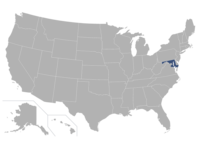
The AARP worked with NORC at the University of Chicago, a nonpartisan research organization, to report geographic variations in loneliness reported across the United States. It finds that that Maryland has the largest share of residents aged 50 and older who report frequently feeling left out or isolated compared to other states.
The data creates a “loneliness score” based on how often people aged 50 and older reported feeling a lack of companionship, isolated or left out. Almost 29% of older Marylanders had a high loneliness score, trailing only Washington, D.C., where 33.3% of older residents reported higher instances of feeling alone.
It’s why mental health advocates often have anti-loneliness programs more tailored to senior populations, said Dan Martin, chief public policy officer at the Mental Health Association of Maryland.
“The biggest impact is in the older adult community,” Martin said.
He said the association often coordinates events at senior living spaces or senior centers to facilitate social interactions.
“One of our really popular activities is what we call ‘speed friending’ — which gives participants a structured and welcoming opportunity to meet people, share experiences and build friendships,” Martin said.
“They develop new friendships through ‘speed friending’ that continue to this day,” he said. “It reinforces the value of creating the opportunity for older adults to connect with others in their communities and giving them those places to meet new people.”
The conversation on loneliness and social isolation was more concentrated during the early COVID-19 years. But Del. Joe Vogel (D-Montgomery) said that Murthy’s surgeon general advisory and the experience of reduced face-to-face interactions due to social distancing measures brought more awareness to the importance of staying connected.
“I think in some ways that was also eye-opening for all of us of what it’s like to feel socially isolated — how that impacted our mental health and our physical health,” Vogel said.
“I heard from constituents, especially older folks in my district, individuals with disabilities, there’s many communities that really struggle with this issue of social isolation and loneliness and it has real health consequences,” he said. “I think as a state we could be doing more to address those issues.”
This past session, Vogel sponsored a bill that would have created a new grant program to help expand programs in the state already trying to reduce social isolation and loneliness.
But in the tight budget challenges the state of Maryland faced in the 2026 session, the bill did not get voted out of committee.
“The investment we could be making to create or expand programs that focus on social connection and addressing loneliness that many in our communities feel – that is money that we’re actually then saving on healthcare,” Vogel said.
“If we can strategically invest in these programs that are working, and replicate them across the state, I think in the long run we’re actually saving money and helping Marylanders along the way,” he said.
Vogel said he may revisit the issue of social isolation and loneliness in the upcoming session, either through reintroducing the proposal for a new grant program or through similar legislation. The state’s budget woes will likely continue into the 2027 session, however, which could hinder such efforts.
“I think this is a really important step that we should be taking to invest in our communities to support those most at risk,” Vogel said, “and address this, often, neglected public health crisis of social isolation and loneliness.”
Annapolis, MD