The auditor owns a used car dealership. His landlord is a friend he signed deeds for.
Nov 14, 2026 | 9:00 am ET
Description
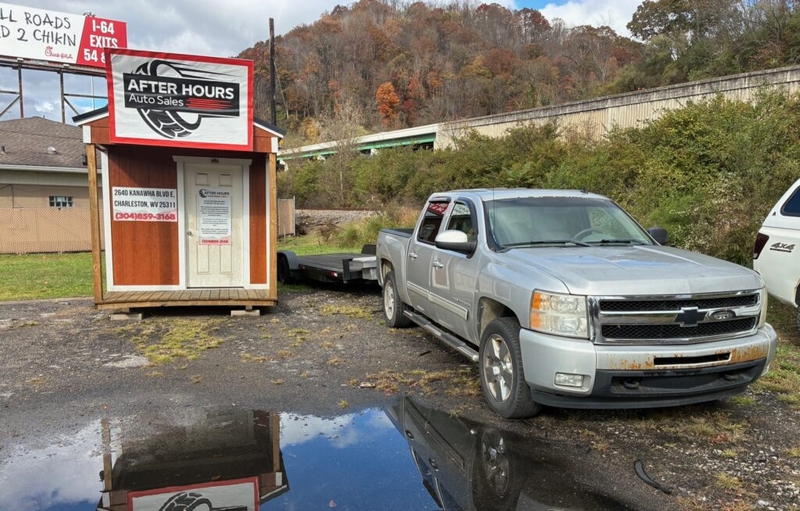
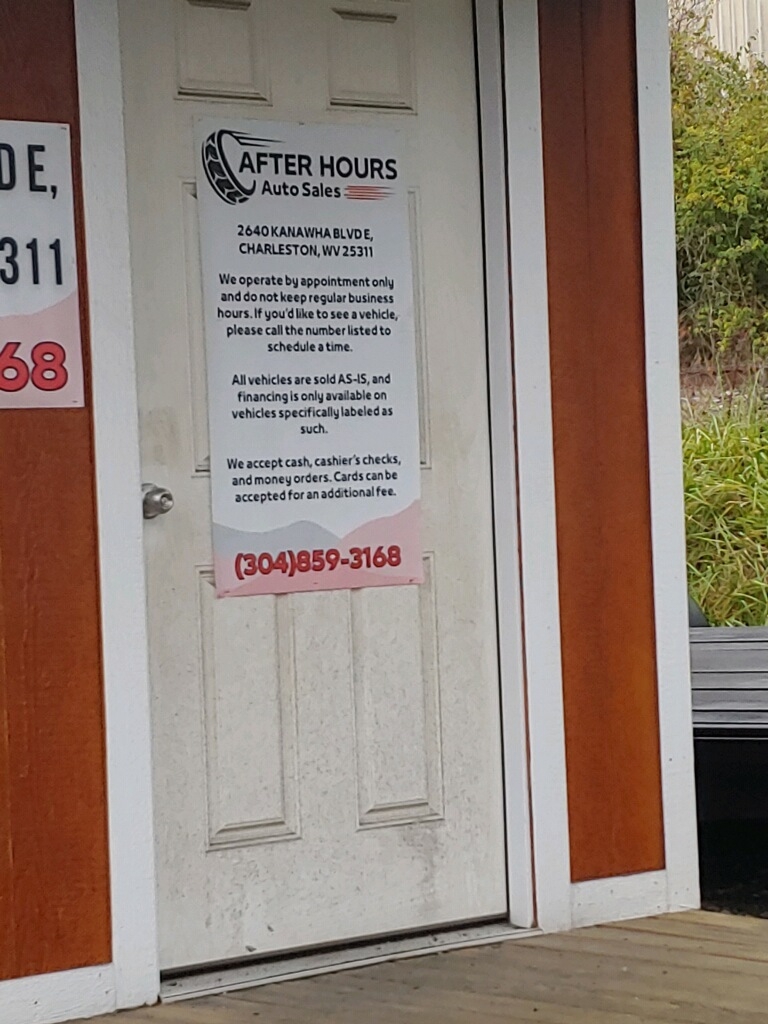
After Hours Used Auto was a by-appointment car dealership owned and operated by state Auditor Mark Hunt and high ranking officials in his administration. The owner of the property is Robert L. Johns, an attorney Hunt signed tax deeds for in a move some lawmakers say may have violated the law. (Photo by Lori Kersey/West Virginia Watch)
The relationship that led to calls for investigation and resignation by state lawmakers between state Auditor Mark Hunt and Charleston attorney Robert L. Johns goes beyond property deeds and state office work.
During Hunt’s term as auditor he has sold cars at After Hours Used Auto, a by-appointment car dealership less than a mile from the state Capitol in Charleston, West Virginia, that sits on land owned by Johns.
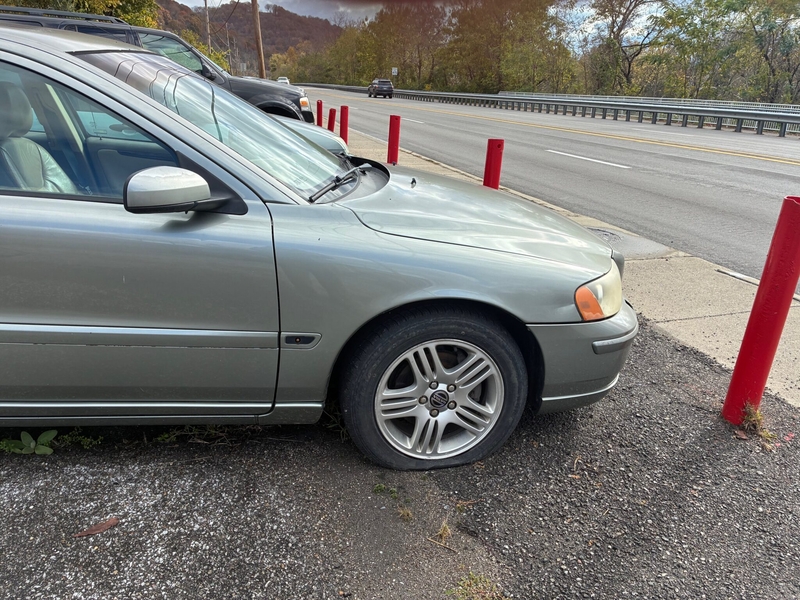
The lot holds five cars — including a black 2013 Ford Expedition, with dents in the hatch door and a silver sedan with a flat tire — and a small shack with a sign telling customers to call to book an appointment to see a car.
Hunt established the business in July 2024, roughly four months before he would be elected state auditor. When reached by phone Friday at his private law practice, Hunt stressed that no cars were sold during state government working hours.
“It was a hobby. That’s the reason, you know it’s kind of funny, the name was After Hours,” he said.
The owner of the property is NAJ, a limited liability company owned by Johns, who has accumulated $38 million in tax delinquent land across the state. A West Virginia Watch investigation revealed that Hunt, as auditor, has signed nine tax deeds for Johns, even though state law says that’s a duty of the deputy land commissioner.
Hunt acknowledged Johns had been a “friend for years.” Johns, a bankruptcy attorney, was also hired by the Auditor’s Office after Hunt took office to act as a receiver in the event that McDowell County declared insolvency.
Johns was paid $14,000 for his work in 2025, according to the State Checkbook, an online repository detailing West Virginia’s finances.
Hunt said the fact that Johns owns the land the lot sits on is a coincidence.
“(There’s) not a ghost behind every door. It’s just coincidental,” Hunt said. “He happens to have all of these vacant lots, and most of this property is scrub property. It’s hillsides, it’s vacant lots, it’s right-of-ways, and he just happened to own this.”
The revelations about the tax deeds led to outcry from public officials, both Republican and Democrat. The Democratic caucuses in the House of Delegates and the state Senate also sent letters to Attorney General JB McCuskey to request an opinion on the legality of the situation.
Del. Tristan Leavitt, R-Kanawha, has been a leading Republican voice in the tax deed controversy, taking to social media to call for the auditor’s resignation. The car dealership has added fuel to that fire, he said.
“This new information raises significant additional questions about Hunt’s relationship with Johns,” he said. “Is Hunt’s car dealership paying market price for rent on the lot owned by Johns’ company, or did Hunt illegally sign his landlord’s deeds as payback for a sweetheart lease? Regardless, this business relationship further underscores Hunt’s cronyism and why he should resign as auditor immediately for signing those deeds.”
Hunt said that he paid fair market rent to Johns for the lot. But he doesn’t know how much.
“I’m not saying that like I’m hiding it,” Hunt said. “I don’t know how much we were paying. I didn’t do that part of it. OK. So all I did was cut the grass.”
The “we” Hunt referred to are people he calls “the boys” — his co-deputy chiefs of staff Caleb Hanna and David Cole.
Hanna is a former state delegate who ran for auditor during the 2024 Republican Primary. Cole worked at Hunt’s law office for 17 years as an operations and marketing manager.
Hanna sold a 2012 Lincoln MKZ Hybrid to Amber Blankenship, of Huntington, on a Saturday in October 2025.
“It was for my then-19-year-old son,” she said.
Blankeship said she did not visit the lot on a Friday evening in October. Instead, Blankenship met the state auditor at his private law office, she recalled.
“The main office that I walked in was, they asked what I was there for, and I said, ‘Well, I’m supposed to be meeting somebody here about a car,’ and they called him (Hunt) and told him to bring it over,” Blankenship said.
Blankenship said after taking it for a test drive, she was ready to buy. Hanna filled out the paperwork and Cole helped handle the payment. Cole asked her to send the money via an app, but the sale price was over the limit allowed by the app. Instead, she came back the following day and paid for it with her savings from the bank.
Hunt said he never sold cars personally on the lot, but in this case the Lincoln was his personal, daily driver.
“Yeah, I sold my car like anybody else does. I bought another car and I sold that one. I mean that that’s all it was,” Hunt said. “A deal between two parties is a deal.”
Blankenship sued Hanna and After Hours Used Auto after the car broke down just nine days after purchase, according to Kanawha County court records.
She accused the dealership of selling a lemon, court records show.
Hunt himself entered an appearance in the case on a Tuesday in February 2026. A magistrate court judge dismissed the case after finding Blankenship had agreed to buy the car “as is.”
Blankenship said she later sold the car for “basically scrap.”
Hunt said the dealership from the beginning was a money losing proposition and in recent months has shuttered its doors. He said he, Cole and Hanna haven’t gotten around to clearing the cars off the lot.
“After we lost about $40,000, I convinced the boys that we need to quit doing this. There’s no more to it or less to it than that,” Hunt said.
Lori Kersey contributed to this report.
Charleston, WV