Assembly panel approves changes to NJ rulemaking process
Nov 16, 2026 | 2:49 pm ET

Description
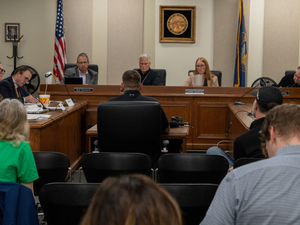
The legislation would expand public comment periods and notification requirements, but detractors warned it would give interest groups greater input over regulatory processes that seldom draw attention from the public. (Photo by Hal Brown for New Jersey Monitor)
An Assembly panel on Monday approved legislation that would extend timelines for state agencies to adopt regulations, require the automatic award of attorney fees to groups or individuals who successfully challenge some rules, and expand public hearing requirements in the rulemaking process.
Business groups hailed the bill, arguing it would lend new transparency to the state’s rulemaking process, but progressive and environmental groups opposed it, warning that, despite support for some transparency provisions, the bill would expand the power and influence of special interest groups stung by two recent major regulatory defeats.
“This bill would have insidious consequences. It would render agencies less able to enact their legislative mandates to protect the residents of New Jersey, and it’s clearly an extension of earlier efforts to reduce the agencies’ ability to effectively make rules, and it would ensure that a small, outspoken minority can slow down the process,” said Alex Ambrose, a senior policy analyst for New Jersey Policy Perspective.
The bill would amend the Administrative Procedure Act, the state law governing how agencies can enact regulations, to increase the length of rulemaking public comment periods from 60 days to 90, require regulators formally flag a rule proposal in the state register to at least 30 days before it’s issued, and extend the notice agencies must give before they adopt, amend, or repeal a rule to 60 days.
It would command the Office of Administrative Law to build a database containing all pending and proposed regulations plus all non-confidential data and other information used to formulate the proposed rule and mandate public hearings on any rule that draws at least 50 commenters or would result in at least $50 million of increased spending by governments, businesses, or individuals.
The legislation would also require regulators to publish all public comments submitted on each rule, less any confidential information, rather than the comment summaries agencies include at present, and that they calculate the expected economic impact of every rule proposal on the state government, local and county governments, businesses, and residents.
Detractors warned that while some provisions would boost transparency, others would extend a rulemaking process that can already take years to yield new regulations.
“Again and again, there are parts of this legislation that are duplicative, that are going to slow down the process, that give undue influence to folks that are reading the New Jersey Register and have more of kind of an inside leg than folks at the average,” said Doug O’Malley, state director of Environment New Jersey.
The rulemaking process draws little interest from laypeople, O’Malley said, and the changes made by the bill would only empower interest groups
Business groups argued the changes made by the bill would boost transparency in rulemaking and would result in better regulations going on the books.
“We want to ensure that this rule, whatever rule is proposed — even if it’s not in our favor — has thoroughly went through all the objections, understand the issues, and is properly drafted, and we believe this legislation would help us get there,” said Ray Cantor, deputy chief government affairs officer for the New Jersey Business and Industry Association.
The move to amend the Administrative Procedure Act follows two major regulatory defeats for business groups.
Those groups opposed rules codifying in regulation decades of case law governing a test that determines whether a worker is an employee or an independent contractor that went into effect last month.
And they fought against strict new flood rules former Gov. Phil Murphy adopted on the final day of his term. Gov. Mikie Sherrill has delayed the implementation of those rules to explore further changes.
“That’s a prime example of why this legislation is necessary. The Murphy administration failed to listen to stakeholder engagement that was presented during that entire time,” said Jeff Kolakowski, CEO of the New Jersey Builders Association, which represents residential real estate developers.
Detractors warned over one final provision that mandates the awarding of attorney fees to individuals or groups who successfully challenge in court regulations that an agency head adopts after rejecting or modifying an administrative law judge’s recommendation on the same.
The bill’s opponents warned the provision would encourage litigation against the state, creating a cottage industry to challenge its regulations.
With its Assembly committee hearing in the rearview and no appropriation in its text, the bill is ready to go to the lower chamber’s floor. It still needs to clear a hearing before the Senate State Government, Wagering, Tourism and Historic Preservation Committee to advance in the upper chamber.
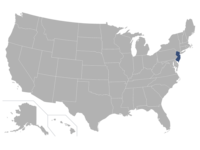
Trenton, NJ