Arkansas wildlife refuge important for duck migration to expand
Oct 14, 2026 | 6:32 pm ET
Description
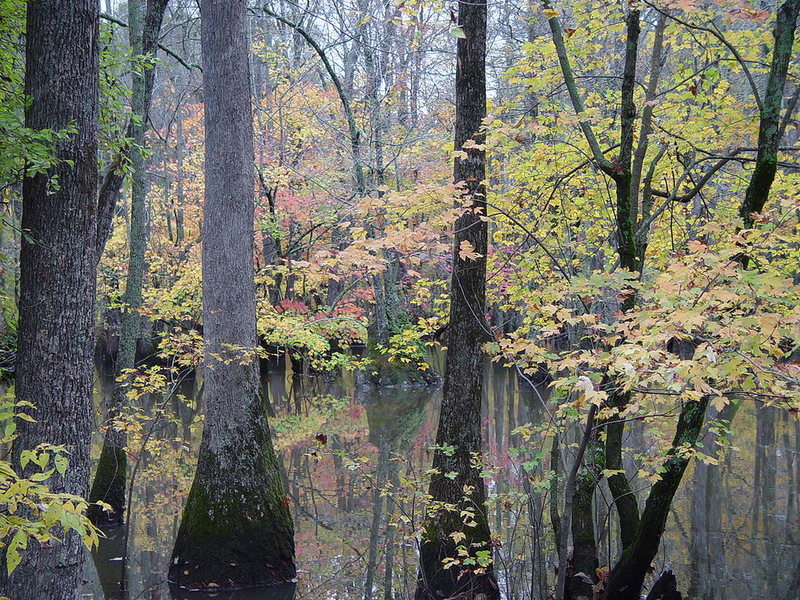
Bayou DeView in the Cache River National Wildlife Refuge, Arkansas (Photo courtesy of U.S. Fish and Wildlife Service)
The U.S. Fish and Wildlife Service is expanding one of its wildlife refuges in Arkansas, the nonprofit partnering with the federal government on the project said Wednesday.
The Trust for Public Land, an outdoors nonprofit, said 435 acres would be added to the Cache River National Wildlife Refuge in east Arkansas. That’s on top of 73,000 existing acres in Jackson, Monroe, Prairie and Woodruff counties.
The new addition to the refuge will provide new entry points to the public land and add 1.2 new miles of protected riverfront.
The refuge is one of the most important wintering spots for ducks, and is the largest remaining tract of contiguous bottomland hardwood forest in North America.
Like the Buffalo National River in north Arkansas in the decades before, the Cache River found itself under threat in the 1970s by the Army Corps of Engineers, which proposed altering the river to reduce flooding.
Arkansas permanently bans large-scale swine operations from the Buffalo River watershed
Community organizing and lawsuits prevented the proposal until the refuge was established by Congress in 1986, and it is now one of the only waterways in the Lower Mississippi River Valley that hasn’t been drastically altered.
More than 200,000 people visit the refuge each year, according to the Trust for Public Land.
“This addition to the Refuge is significant not only for conservation of incredible wildlife habitat, but for creating needed access to these cherished wildlands along Cache River,” Stacey Shankle, program director of the mid-South region for Trust for Public Land, said in a press release.
“Adding these 435 acres to Cache River National Wildlife Refuge protects important habitat along the Mississippi Flyway and gives people more opportunities to enjoy Arkansas’s outdoors,” Holly Gaboriault, southeast regional chief of the National Wildlife Refuge System, said in a press release.
Little Rock