Are you sick and tired of the Blueprint? You shouldn’t be
Nov 23, 2026 | 5:13 am ET

Description
The Blueprint for Maryland's Future education reforms is halfway through a decade-long plan that has added billions of dollars in state funding annually for public schools -- making it a possible target as lawmakers face a $3 billion budget shortfall next year. (Photo by Danielle E. Gaines/Maryland Matters)
One thing that didn’t change in the historic election of 2026 are prospects for a reboot of the Blueprint for Maryland’s Future. It’s overdue.
An old saying goes, I am sick and tired of being sick and tired. That’s how so many people, for so many reasons, feel about the Blueprint.
And its fate is on the line in the upcoming session of the General Assembly.
Legislators will have to confront the Blueprint’s so many unrealized promises, so many cracks in its policy pillars, so much disappointment, and so many critical words said and written. (I’ve written more than my share, with about 10 articles going back to 2019.)
Still, we cannot in good conscience abandon the historic vision of the Blueprint, and the fight to achieve it. And we dare not abandon the extraordinary effort of state and local educators to make it work.
The evidence of the fraying of the Blueprint has been oft told, and need not be retold. In short, the Blueprint is too much to do in too little time with too little money.
We’re past the half-way point in its implementation, and there are some accomplishments, notably large expansions of pre-K programs and community schools. But overall progress in raising student achievement is far below the pace necessary to meet the Blueprint’s goals.
So, where do we go from here?
There has been endless public comment about the need to do “something” to strengthen, if not save, the Blueprint, but there has been little discussion of specific reform proposals.
I attempt in this commentary to suggest paths forward.
- One, we have to resist the large cuts in Blueprint funding that Gov. Wes Moore and legislative leaders – because of the state’s looming fiscal deficits – threaten. The fiscal crisis is legitimate; still, Annapolis must recognize that the state should have no higher priority than honoring the commitments in the Blueprint.
- Two, if cuts are unavoidable, they should largely occur by extending the timelines for implementation of Blueprint programs, not by curtailing or eliminating the programs.
- Three, even if timelines are extended, priorities must be set here and now for the most cost-effective ways to spend available Blueprint funding. Moving funds from one program to another is a tough political bullet to bite: Each major program has its own entrenched supporters and political influence.
Still, the governor and General Assembly must make hard decisions about priorities. And, though less obvious, advocates must do the same. Advocates combine to support the Blueprint as a whole but they represent special constituencies and, by and large, have not coalesced around specific priorities.
I have two major recommendations. First, to shift money from concentration of poverty “wraparound” grants to early literacy and math instruction. And second, if necessary, I would further delay funding for grants to reduce teacher time in the classroom and increase planning time.
It’s devilishly hard to pull money from these programs, even for the short term. They are vitally important. Yet, research overwhelmingly shows that they would provide considerably less bang for the limited buck than other priorities.
- Four, Annapolis should accelerate the search for revenue sources that would enable the Blueprint to provide an adequate education for all children as mandated by the Maryland Constitution. Because current funding is endangered, we overlook the fact that current funding already falls significantly short of the costs of true adequacy.
These recommendations will be controversial. Yet, they are straightforward, unlike the vague statements floating around Annapolis so far. Further, the governnor and legislative leaders have not acted transparently in the decision-making process; that should change.
The governor bears a singular responsibility for leadership. Yet he has not walked the walk; he has not used his political capital to strengthen the Blueprint. (In part, this seems to reflect the political fact that he can’t take much credit for the Blueprint since it was enacted before he took office. He can’t, like many other governors nationwide, claim ownership of a major school reform initiative.)
Let’s hope he still steps up. Ditto for legislative leaders. We should all be sick and tired of the Blueprint’s problems, but not weary of the struggle. We must renew our resolve, make courageous decisions, and honor the Blueprint’s commitment to all our schoolchildren.
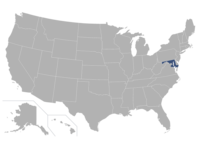
Annapolis, MD