Annual recovery summit aims to explain the unexplainable
Aug 06, 2026 | 3:37 pm ET
Description
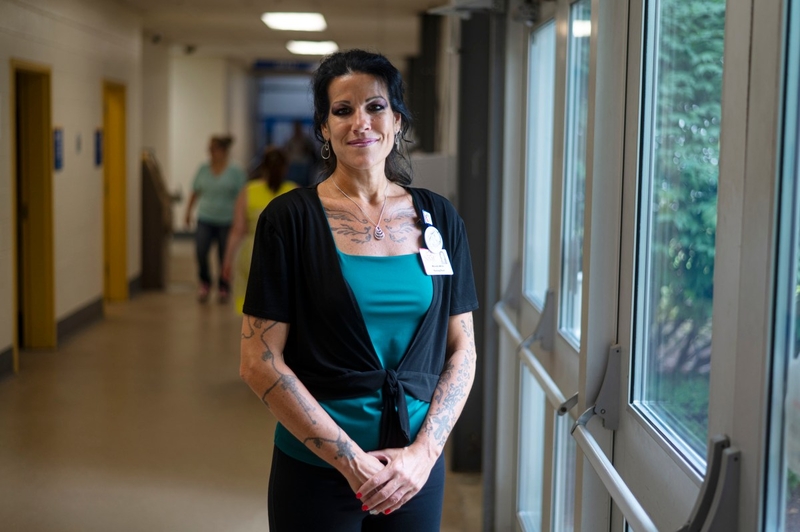
Melinda White is one of the organizers of the fifth annual “Coming Together, There is Hope” substance use addiction summit in Essex Junction on Friday, July 31, 2026. Photo by Glenn Russell/VTDigger
ESSEX JUNCTION — Trying to explain substance use disorder to someone who hasn’t gone through it is like trying to explain the color red to someone who’s colorblind.
That’s what David Riegel explained to a full room of about 50 people, who filled rows of chairs and kneeled on the floor at the Champlain Valley Exposition. Riegel was one of five speakers on a panel of people in recovery sharing their stories.
“There are not words for what I experienced in active addiction,” Riegel said at one point during the panel. But still he and others tried to find them.
The group turned out for the annual Coming Together Summit, an event that started five years ago as an effort to advocate for more resources for people in recovery. Even as organizers say that state resources have improved, the event has become an annual tradition, convening people in recovery, their supporters and anyone who wants to learn, to shed light on a community often stigmatized.
Vermont has some of the highest rates of substance use in the country, according to the Vermont Department of Health. Rates of alcohol, cannabis and stimulant use among Vermonters outpace the rest of the country, according to the health department’s data.
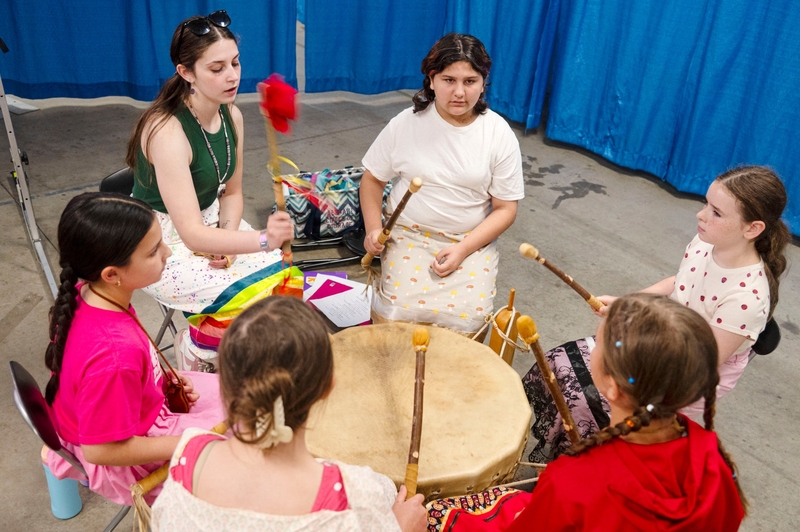
Service providers stood behind booths with pamphlets while a slate of speakers gave speeches and presentations throughout the morning. Smaller events were held throughout the afternoon, like a drumming circle and a panel discussion from people in recovery.
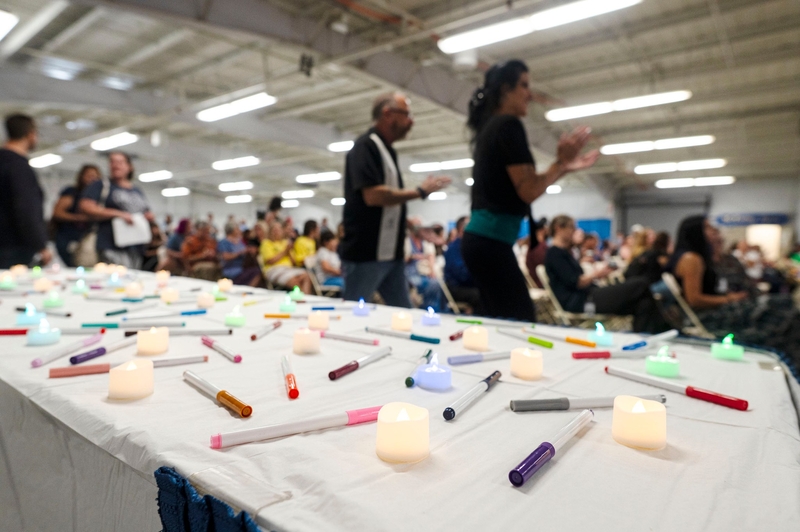
The event grows in size every year, organizers Melinda White and Brad Ferland — who are in long-term recovery themselves — say. They estimated about 2,000 people attended on July 31, including Lt. Gov. John Rodgers and Vermont National Guard Adjutant Gen. Henry “Hank” Harder.
“It feels like a family reunion,” said White. She’s become friends with the providers and attendees to go every year, she said.
It’s troubling to see people at their lowest points, to see their “misery” and “defeat,” Christina Reiss, chief judge of the U.S. District Court for the District of Vermont, said in a speech addressing how her work intersects with addiction.
It wouldn’t be worth it if she didn’t get to see people also turn their lives around, she said. Many people who sit in front of her are facing serious charges and looking at years of jail time, she said.
“For many people it’s an incredible wake up call,” Reiss said.
They’re usually people who have gotten in way over their heads and are highly motivated to turn things around, she said. About 70% of people incarcerated in Vermont receive medication assisted treatment for opioid use disorder, according to a 2025 survey from The University of Vermont.
As Reiss spoke to the room of about 200, attendees were buzzing about down the hall. People in recovery reunited with their groups of friends and counselors who helped them leave drugs or alcohol behind. Families walked around to tables set up by counselors at inpatient treatment centers and harm reduction groups. Many of those counselors were in recovery themselves, or lost someone who couldn’t stay sober.
In the afternoon, groups of people gathered in small rooms to hear not from state officials or judges, but from people in recovery themselves. One man brought his acoustic guitar and played a cover of “Knockin’ on Heaven’s Door” featuring lyrics he wrote about recovery.
Riegel, among a panel of four, said he had been in long-term recovery since 2007. For him, he explained, that means he hasn’t had any mood or mind-altering substances that haven’t been prescribed by a doctor.
He grew up in a loving family, he had friends and he did pretty well in school, he said. But still he never felt good enough.
When he started drinking after eighth grade, he said, all his problems felt lighter.
“It was this magic elixir that allowed me to move through the world and — for the first time — be comfortable in my own skin,” Riegel said.
His drinking continued through high school and seeped into his life.
“Alcohol did more for me than what it did to me,” he said. For a long time the consequences didn’t matter, he said, whether he was getting pulled over for driving drunk or ruining his relationships.
He realized he couldn’t reach his goals in life if he continued on the same path, he said, but he just couldn’t get sober. Then, “out of desperation,” Riegel went to a treatment facility and started a 12-step program, he said.
That program turned his life around, he said. Now he spends his days taking care of his parents and running residences for people in recovery, to help them transition out of inpatient programs, he said. He’s the executive director of the Vermont Foundation of Recovery in Essex Junction, and also directs policy and planning for the Vermont Agency of Human Services.
Many other recovery coaches were similarly in long-term recovery themselves.
Paul Mader, who sits on the board for the Vermont Veterans Place, said he developed substance use disorder after serving in the military for about eight years. The Northfield organization provides transitional housing and support for struggling veterans.
Now he volunteers taking care of other veterans in recovery and is guided by his religious faith. Finding Jesus, he said, helped him “start acting right.”
“You learn how to be a grown ass adult and do the right things and live on tuna and whatever for as long as you need it to get yourself right,” Mader said.
Read the story on VTDigger here: Annual recovery summit aims to explain the unexplainable.
Montpelier, VT