Andrea Fletcher tapped to lead Virginia’s government technology overhaul
Sep 08, 2026 | 11:58 am ET

Description
Andrea Fletcher will lead the new Virginia Digital Service, a team charged with modernizing state websites and computer systems and improving how the state purchases technology. (Courtesy of Virginia Governor’s Office)
Virginia is creating a team of technology specialists to improve state websites and computer systems while guarding against costly technology contracts and wasted taxpayer dollars.
Gov. Abigail Spanberger on Tuesday named Andrea Fletcher director of the new Virginia Digital Service, which will bring together engineers, designers and other technical experts to modernize state government operations and make public services easier to use.
The team will also review how Virginia buys and uses technology, with an eye toward identifying problems before the state commits taxpayer money to poorly designed systems or contracts.
“State government should work for the people it serves — and that means making sure Virginians can access the services they need quickly, easily, and reliably,” Spanberger said in a statement.
Spanberger proposed establishing the Digital Service through an amendment to Virginia’s biennial budget after her administration said it discovered the state had lost $52 million on a failed IT project under former Gov. Glenn Youngkin’s administration.
The project involved a two-year effort by the Virginia Department of Social Services to modernize APECS, the state’s decades-old child support enforcement computer system. The department had hired CGI Technologies and Solutions for the project, known as vCHAMPS, but abandoned the overhaul after what an internal report described as “significant issues.”
Under Fletcher’s leadership, the team will work with agencies across state government computer systems, improve websites and speed up delivery of programs used by Virginia families, according to the governor’s office.
“We also have a responsibility to make sure every taxpayer dollar is used as effectively and efficiently as possible,” Spanberger said. “At a time of unprecedented uncertainty and disruption out of Washington, Virginia can — and should — be a model of how we make smart, sound investments in technology.”
Fletcher previously served as the first chief digital officer at the federal Centers for Medicare and Medicaid Services, where she led the agency’s Digital Service team. She also established what the governor’s office called the federal government’s first Open Source Program Office.
She began her tenure with the federal government through the U.S. Digital Service in 2021 after working in federal healthcare information technology policy, artificial intelligence governance and global health systems. Her work included projects in more than 20 countries and support for digital health systems responding to COVID-19, Ebola and HIV.
Fletcher received a Service to the Citizen Award in 2025 and was nominated in 2024 for the Samuel J. Heyman award for emerging government leaders.
“Virginians should have an expectation that government services be intuitive and easy to use,” Fletcher said in a statement. “I’m excited to help deliver on that goal for the people of the Commonwealth and demonstrate that government can build great technology.”
David Wilkinson, Virginia’s chief transformation officer, said residents should be able to navigate state systems easily whether they are applying for a driver’s license, opening a business or seeking essential services.
“In launching the Virginia Digital Service, the governor is bringing a proven approach to Virginia,” Wilkinson said. “Andrea Fletcher is a nationally respected digital leader with a track record of delivering results that save time and money.”
Originally from western Pennsylvania’s Appalachian region, Fletcher earned a bachelor’s degree from Washington & Jefferson College and a master’s degree in public health from Emory University. She lives in Alexandria with her husband and daughter.
One of the new team’s early assignments will be helping state agencies respond to federal funding and eligibility changes under H.R. 1, the tax and spending reconciliation bill Congress passed last summer at the behest of President Donald Trump.
The administration said the Digital Service will support efforts to maintain access to healthcare coverage and Supplemental Nutrition Access Program.
The move follows a separate legislative effort to modernize Virginia’s benefits system. House Bill 66, sponsored by Del. Michael Feggans, D-Virginia Beach, would have directed the departments of Social Services and Medical Assistance Services to develop a plan for updating technology used to administer federal medical and other benefit programs. The measure was continued to the 2027 session.
Last month, Spanberger launched the “Keep Virginia Covered” policy directing executive agencies as they implement the federal law and seek to limit its effect on Virginians.
Virginia is not the first state to create a government-run technology team. Similar programs elsewhere have been used to review contracts, simply applications for public benefits and rebuild government websites.
In Colorado, the state’s digital team helped negotiate a grant-management system covering 17 programs and more than $60 million in annual grants before money was committed to the system.
Pennsylvania used its team to haul over the process for appealing denied insurance claims, replacing what Spanberger’s administration described as a confusing form with a simpler system.
Meanwhile, Maryland consolidated applications for Medicaid, SNAP, Temporary Assistance for Needy Families, the Special Supplemental Assistance Program for Women, Infants and Children, and energy assistance into a single process. More than 220,000 applications were completed through the new system in six months, according to the state’s Gov. Wes Moore.
Maryland also redesigned its unemployment insurance website around a five-step process for claimants. The changes reduced the number of pages on the site by 40% and increased its completion rate by 15%.
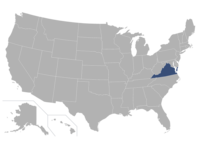
Richmond, VA