Amid legal battles, health leaders, LGBTQ+ community concerned for future of gender-affirming care
Jun 22, 2026 | 6:00 am ET
Description
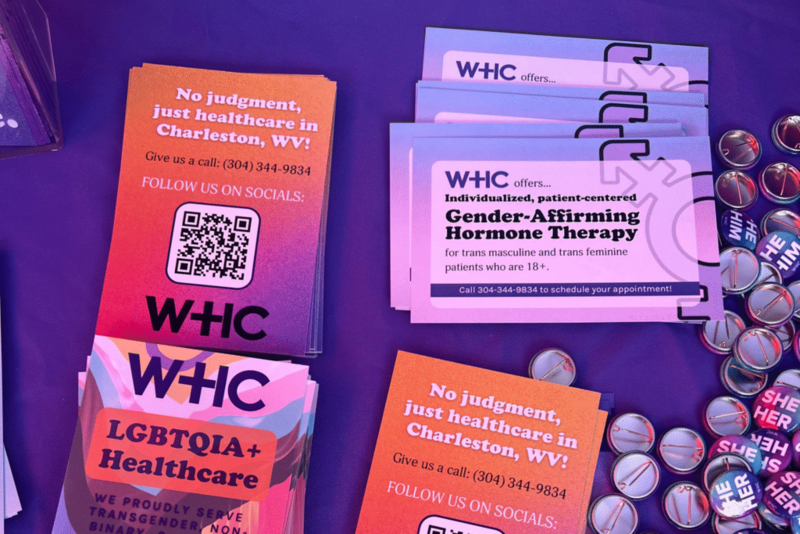
The Women’s Health Center of West Virginia in Charleston, West Virginia, is one of only two community health providers in the state that openly offers gender-affirming care. (Photo courtesy of the Women's Health Center of West Virginia)
A year and a half ago, Danté Vega stopped taking the testosterone that was an integral part of his transition to his male identity.
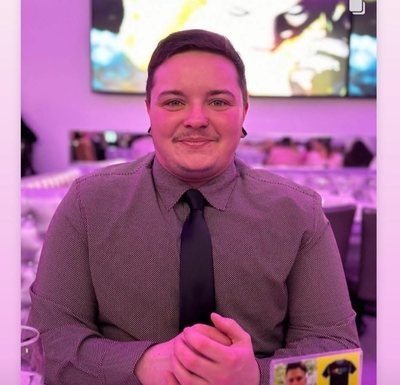
Vega, who is 33, realized he was transgender at age 29 and was prescribed hormone replacement therapy drugs, also known as HRT. When he left his job two years ago, he lost his health insurance and enrolled in Medicaid. However, the hormone replacement therapy drugs he was prescribed proved too expensive.
“I couldn’t afford to be on HRT, even with Medicaid,” Vega said, “so I’ve made the choice not to be on it.”
Vega’s story is one that healthcare providers and the LGBTQ+ community say is common in West Virginia, where an increasingly hostile political environment has made it difficult to obtain the medication and medical care to assist with gender transitioning.
West Virginia now has only two community health providers that openly offer gender-affirming care — the Women’s Health Center of West Virginia in Charleston and Planned Parenthood of Vienna. Faced with barriers to living as who they believe are their true selves, people who identify as transgender are moving out of the state or opting out of medical care, which can have devastating physical and psychological effects.
Providing care to people that aligns with their gender identity has been associated with overall better well-being and mental health, according to research from the National Institutes of Health. Gender-affirming care includes a range of services, including hormone replacement, chest surgery and genital removal or augmentation and facial surgeries.
Vega’s decision to stop hormone replacement therapy coincided with the West Virginia Legislature’s passage of a 2025 bill that further restricted gender-affirming care for minors. While West Virginia had a near-total ban on gender-affirming care for minors since 2023, this bill removed an exemption that allowed the care for severe cases of gender dysphoria under specific conditions, such as multiple mental health and medical professional opinions. LGBTQ+ and healthcare advocates are left wondering whether a ban on gender-affirming care, regardless of age, is imminent.
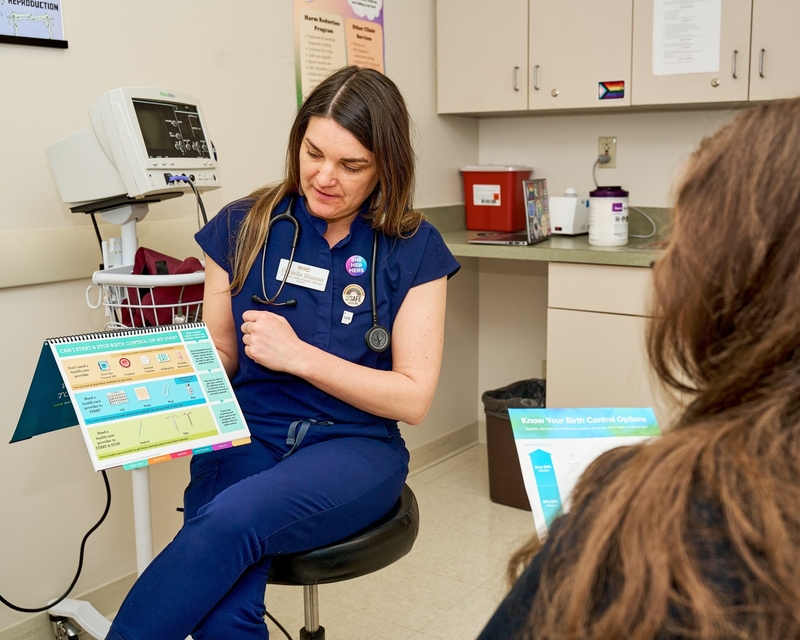
“For many of our patients, this care truly is lifesaving,” said Danielle Maness, medical director and interim executive director of the Women’s Health Center of West Virginia. “Every day that I see patients for gender-affirming care, they come in asking, ‘What do I do if I can’t get my medication any more?’ or ‘What’s the timeline here for me? How soon do I need to leave the state of West Virginia?’ Our patients have constant fear on their minds.”
In March, a U.S. appeals court upheld West Virginia’s ban on Medicaid coverage for adult gender-affirming surgeries, prompting speculation that this could embolden other states to impose similar restrictions. A petition for hearing filed by the plaintiffs in that case was recently denied.
Since January 2025, the Women’s Health Center of West Virginia has provided prescriptions for hormone replacement therapy and referrals for other types of medical and gender-affirming care for 318 patients. In the wake of restrictive legislation, the center’s LGBTQIA+ Health Program Coordinator, Mariah Felty, said the clinic has patients who travel greater distances for care at the Charleston clinic, which has a three-month waiting list for gender-affirming care. As part of her role, Felty coordinates with her patients’ insurance, whether private or through Medicaid, and said more providers are refusing to cover the care. She has also seen healthcare providers who gave gender-affirming care leaving to practice in other states.
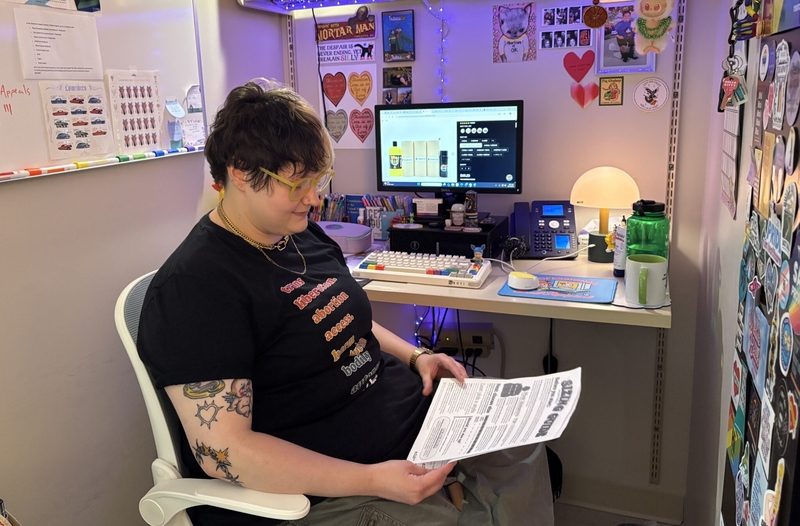
Felty, who identifies as LGBTQ+ and is a Charleston native, said she has watched the environment become more aggressive towards the LGBTQ+ community since President Donald Trump’s second term began in January 2025.
“Unfortunately, there’s a lot of folks who are listening to what they’re being told instead of getting to know folks in the community to make their own judgment about people,” she said. “To see that villainization, particularly of trans folks, is bizarre, and unfortunately, I’ve seen a lot of rhetoric like, ‘I can’t get my medication covered by my insurance, I can’t get this medically necessary procedure covered by my insurance, so why should people receive gender-affirming care when that’s a choice?'”
Gender-affirming care for adults was not addressed in bills during the 2026 legislative session. In March, the West Virginia Senate passed two bills involving transgender people — one that would have made transgender people who change in a locker room aligning with their gender identity guilty of indecent exposure and made to register as a sex offender, and another that would have prohibited drag shows and other “adult cabaret performance” on public property or where they could be viewed by a minor. Both were voted down in the House of Delegates. The next legislative session is scheduled to begin Jan. 13, 2027.
“Sometimes we have to measure our successes by what we were able to avoid,” said Billy Wolfe, communications director for the American Civil Liberties Union of West Virginia, which is part of an effort to create a fund to assist transgender West Virginians in paying for gender-affirming care and surgeries. “This anxiety, this fear that the political class in West Virginia has created, I believe, is because they don’t have real solutions for people’s problems. They want us to be afraid of our immigrant neighbors. They want us to be afraid of trans people in bathrooms. Their calculus is, if we’re mad and suspicious of each other, we take less notice that they’re not doing anything to control our cost of living or to get people clean drinking water.”
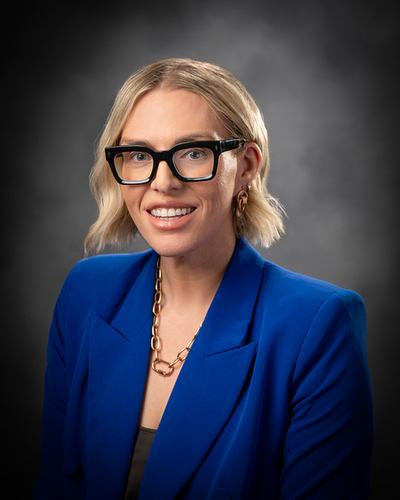
Del. Kayla Young, D-Kanawha, said too frequently, her work in the West Virginia Legislature involves arguing against restrictive bills that don’t improve the lives of her constituents, and that her colleagues have employed suspicious tactics. She recalled how the passage of the 2025 bill that restricted gender-affirming care for minors was passed on the last day of the session and involved a procedural measure where none of the lawmakers were allowed to provide comment on the action.
“They wouldn’t even let us argue it at all, or speak to it, or at the bare minimum, tell trans kids that we care about them and their mental health and their lives,” Young said. “We are one of the unhealthiest states in the country. We have real things to be worried about. We should be helping people, not just taking things away that give people joy and make their lives fulfilled.”
In the midst of the uncertainty facing the LGBTQ+ community, Vega has accepted the version of himself that he is without taking hormone replacement therapy. “I’m happy with where I’m at in transition,” he said. “I’m thankful that I pass enough to not be confused.”
As a volunteer for Huntington Pride, Vega hears about the struggles of other West Virginians who are transgender, who are navigating gender transitioning with added stress. “A lot of people socially feel like they can say more hateful things, which is really rough,” Vega said. “There’s a lot of people that are too scared to be themselves right now.”
Charleston, WV