Amendment 7 would let New Orleans use federal money for private lead-pipe removal
Oct 15, 2026 | 3:45 pm ET
Description
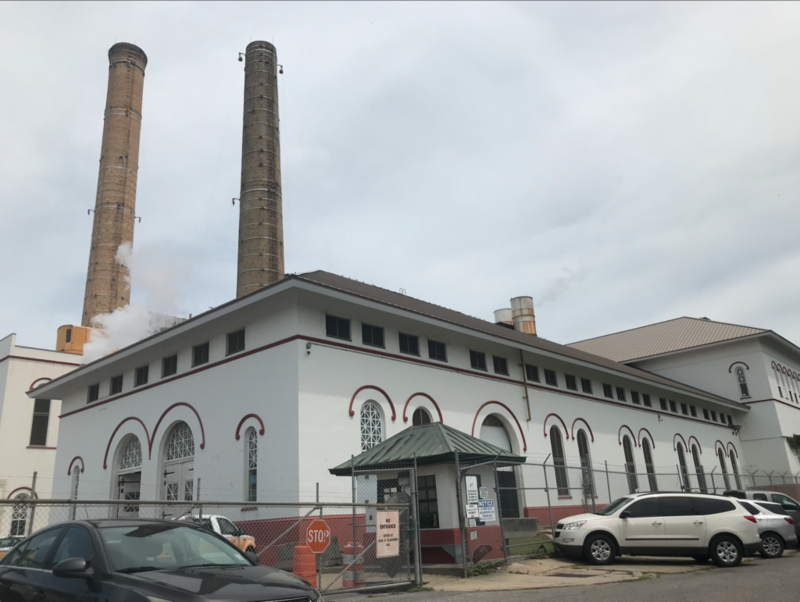
The Sewerage and Water Board plant in New Orleans, pictured Aug. 18, 2022. (Greg LaRose/Louisiana Illuminator)
Louisiana voters will decide Nov. 3 whether public money can be used to remove potentially harmful lead pipes from private property. Its approval would immediately give New Orleans access to more than $150 million to tackle a small portion of the city’s outdated drinking water system.
The proposed change to the Louisiana Constitution, Amendment 7, would free up a $152 million loan the U.S. Environmental Protection Agency has approved for the New Orleans Sewerage and Water Board to address lead pipes. Voters are being asked to create an exemption to a general provision in state law that prohibits public money from being spent on or given to an individual or other private entities, such as a business.
Although Amendment 7 would provide immediate access to federal money in New Orleans, the change would apply statewide.
The Sewerage and Water Board can freely change out lead pipes in the public right-of-way with public dollars, but private property owners have been asked to swap out any lead lines that connect their structures to water mains when feasible.
Long-term exposure to lead in drinking water systems has been linked to neurological issues and development delays in children as well as high blood pressure and seizures.
The U.S. Environmental Protection Agency banned the use of lead in drinking water infrastructure in 1986 — eight years after it was required to be removed from paint. According to federal figures, roughly 90% of New Orleans’ housing stock was built prior to these lead prohibitions being put in place.
“Lead is a pervasive issue,” said Jessica Dandridge-Smith, executive director for The Water Collaborative, a New Orleans group focused on access to safe water. “It’s not a matter of public money or private money, but it’s an understanding that when you invest in your ecosystem, particularly water systems, you invest in public health.”
Verite News reported earlier this year that previously unpublished city data revealed there was lead-contaminated drinking water in 70% of homes tested between 2022-25
The $152 million available for New Orleans will address just a fraction of the city’s lead-pipe abatement needs, which the Sewerage and Water Board has estimated exceed $1 billion. But for those who can’t afford to take on the expense, the federal money can make a difference, said Hannah Levi, a spokeswoman for The Water Collaborative.
“It’s a really large amount of money that we’re talking about that is not feasible for most people in those small businesses to do it on their own,” Levi said. “This funding is really necessary to get lead lines replaced on a large scale.”
An overarching project to replace lead water lines in New Orleans is expected to take until 2037 to complete.
A state attorney general’s opinion has concluded New Orleans could legally use the federal money to remove lead pipes from private property, but the amendment’s author, state Sen. Royce Duplessis, D-New Orleans, and its proponents insist a constitutional change would solidify the exemption.
Baton Rouge, LA