Alaska Legislature votes to ban certain synthetic food dyes in school meals
May 19, 2026 | 9:45 am ET
Description
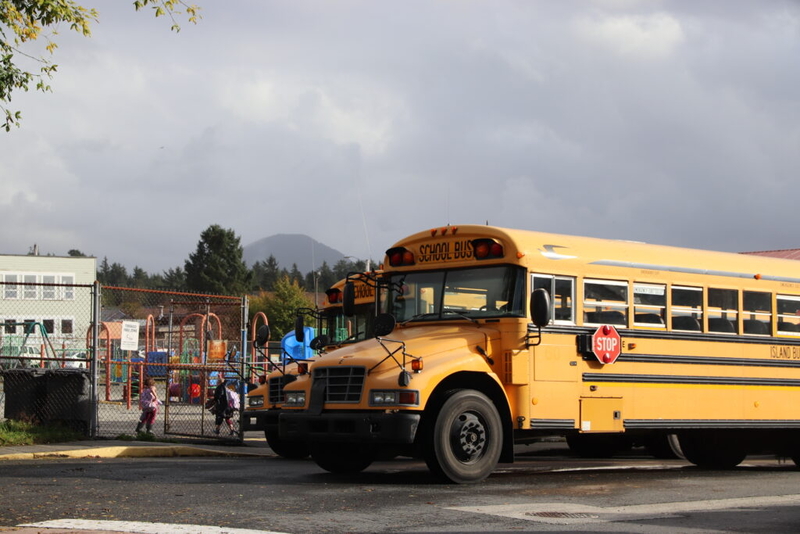
School buses park outside the playground of Xóots Elementary School in Sitka on Oct. 6, 2025 (Photo by Corinne Smith/Alaska Beacon)
The Alaska Legislature has approved the ban of seven synthetic food dyes from school meals to help protect student health.
The synthetic dyes include several versions of red, yellow, green and blue and are used as color additives that provide no nutritional value, but give food and drinks a bright color. They are commonly used in candies, baked goods, breakfast cereals, snacks, ice cream and sports drinks, among others.
Six of the seven food dyes identified are petroleum-based. Lawmakers raised concerns that synthetic food dyes are linked to negative health effects in children, and said the ban mirrors a nationwide trend to eliminate such additives from everyday food items.
The Alaska House unanimously passed Senate Bill 187 on Friday, after the House passed it in April, advancing the bill to Gov. Mike Dunleavy’s desk.
Sen. Bill Wielechowski, D-Anchorage, sponsored the legislation and pointed to research connecting synthetic food dyes to adverse health effects, including irritability, hyperactivity, inattentiveness, sleep disorders, aggression, immune system reactions and even cancer.
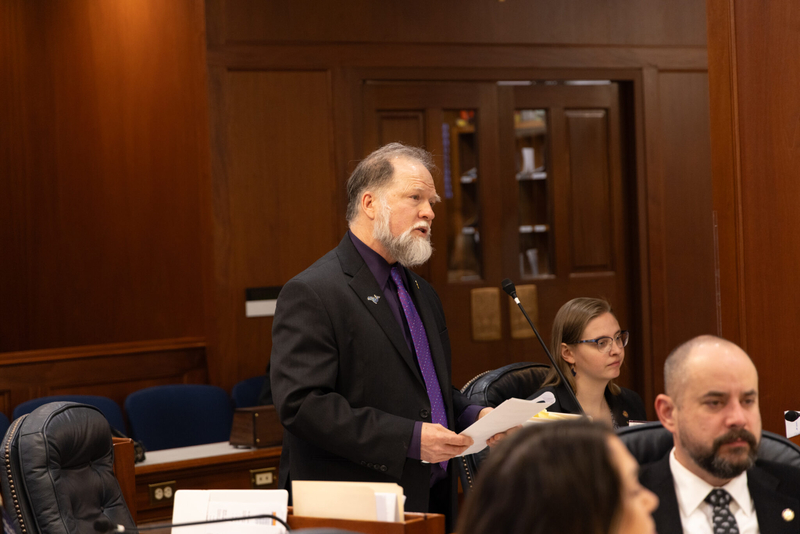
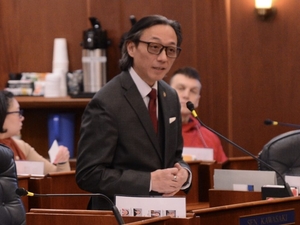
Rep. Ted Eischeid, D-Anchorage, sponsored the bill in the House and said Friday that several Alaska school districts were polled and reported that eliminating the dyes and finding alternatives is doable.
“Among the districts that have been spoken to include Sitka, Petersburg, Juneau, Anchorage, Fairbanks, Mat-Su, Lower Kuskokwim, Delta-Greeley and Nome, and all these school districts have said, ‘Yeah, we’re already moving in this direction, (and have) no problem with complying,’” he said, speaking on the House floor.
“These food dyes don’t provide or influence flavor, nor do they have nutritional value. Industry is more and more using natural dyes as better alternatives,” he added. “Senate Bill 187 is our opportunity to improve the quality of the food we feed our children in our schools, while avoiding the negative associated effects of the seven synthetic dyes.”
If approved by the governor, the ban would be enacted in January 2028.
Juneau