Alabama screen time commission makes 1st recommendations on best classroom practices
Oct 07, 2026 | 5:24 pm ET

Description
A woman scrolling on a cell phone. The Commission on Screen-Based Instruction Wednesday made its first recommendations on best practices for screen-based instruction in classrooms. (Getty Images)
An Alabama state commission plans to recommended the state further define screen time and work toward “fostering digital literacy” as it develops best practices for screen use in public school classrooms.
The Commission on Screen-Based Instruction, formed by Gov. Kay Ivey, is scheduled to send a final report to the governor within two months.
“(We should be) considering digital citizenship and digital literacy curriculums, parent training materials, professional development for teachers, all those types of things, and that is because digital literacy has been shown to kind of mitigate some of the negative impacts of the increased screen use,” said Nashedra Barry, a child psychologist with Children’s Hospital of Alabama in Birmingham and a member of the commission.
Ivey earlier this year signed HB 78, sponsored by Rep. Jeana Ross, R-Guntersville, into law. The bill set screen time limits for children up to five years old in licensed child-care facilities. Ross also filed HB 584 which would have expanded the limits for all public school students, but the bill failed to pass before the Legislature adjourned in April.
Ivey established the commission in July to study the risks, usage and benefits of screen-based instruction in K-12 classrooms across the state.
Commission member Laren Hammonds, a middle school teacher in Tuscaloosa,, said in addition to further defining screen time, the commission should consider “the learning activity that screen use enables, replaces, or interrupts.”
Ross, who chairs the commission, said after the meeting the committee’s recommendations were reasonable, and that she would wait on the final recommendations before considering further legislation.
“They’re going to be something that teachers and school officials are going to easily be able to implement and consider because right now what we’re most concerned with is making sure people are aware that screen time should be quality, and there’s certain types of screen time that should be limited or not (done) at all,” she said.
Commissioners Wednesday also discussed how screen time legislation looked in other states. Tennessee’s legislation on screen time for children, signed into law in April, states that local boards and public charter schools must have a policy for kindergarten through 5th grade on appropriate screen usage.
The policy must prioritize teacher-led instruction that does not use screens; prohibit students from accessing social media through school internet servers; require that digital tests and tools used by students are developmentally appropriate; limit the usage of school-issued devices in classrooms, and provide parents with transparency on the types of devices being used in classrooms.
“I think Tennessee’s model, what’s good about it was it’s very concise, and it made sense,” said Houston County Superintendent Brandy White. “It still allowed for some local control, but it identified some things that we needed to focus on using technology.”
Ross said she believes that the findings from the commission will build on what Tennessee has.
“We have more evidence, we have more research, and it may be that we build upon this, but I see it as being a little more comprehensive,” she said.
The committee will deliver its final report to Ivey on Dec. 1.
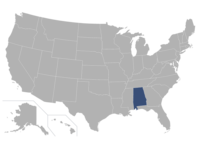
Montgomery