After state warning, NJ panel approves 34% health premium hike for teachers
Sep 25, 2026 | 1:41 pm ET
Description
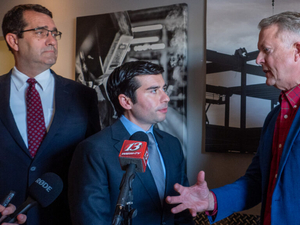
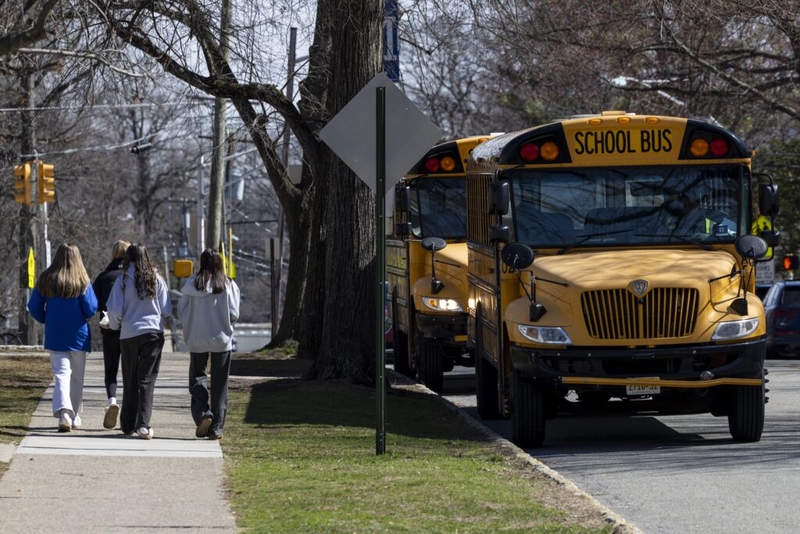
State officials last week told school districts they would be unable to offer health benefits to schools come January unless new rates were approved. (Photo by Anne-Marie Caruso/New Jersey Monitor)
The School Employees Health Benefits Commission approved stark rate increases for public health plans serving school workers on Friday after deadlocking on rate hikes for nearly two months.
The panel’s 4-2 vote to increase premiums by as much as 34% for active workers in 2027 forestalls, at least for now, the collapse of a plan that insures hundreds of thousands of school employees, but commissioners who oversee the program warned its future would remain in question absent sweeping changes.
Michael Salerno, an official with statewide teachers union the New Jersey Education Association, was among those who sounded the alarm.
“Either way we vote, the way the system is right now, we’re killing the SEHBP,” Salerno said.
The commission’s vote comes after state officials last week told school districts they would be unable to offer health benefits to schools come January unless rates were approved, said Commissioner Daniel Holub.
Though the panel approved smaller rate hikes for retired school workers in late July, its membership, which is equally split between union and management due to an unfilled vacancy, has repeatedly deadlocked in recent meetings when considering much larger increases for active workers.
Holub, who represents the teachers union and who was the meeting’s interim chair, cautioned that high premiums and state officials’ warning about a potential suspension of health benefits would push more districts out of the plan, worsening its health and prompting a mid-year rate increase.
“It’s my belief that these rate increases point to larger systemic issues that will only worsen in the next plan year. It’s irresponsible for us as a commission to move forward with these rates knowing it will lead to further crises in the future,” he said. “You have to address the systemic issues that are driving this.”
Treasury officials have said New Jersey’s public worker health plans for school and local government workers are in a death spiral after years of steep premium increases that have thinned the plans’ subscriber pool.
Each successive increase prompted more units to depart the public plan for cheaper options in the private market, leaving the state program with a progressively older, sicker, and more expensive risk pool that caused more rate hikes and, in turn, more departures.
But at the same time, officials’ ability to pull many of the levers that could reduce costs is barred until 2028 as a matter of law. The prohibition on plan design changes bars alterations to copay or coinsurance or the introduction of high-deductible plans like those officials have turned to in an attempt to shore up local government workers’ plan.
“I don’t think anybody is happy with the rates, but we’re sitting here right now,” said Danielle Schimmel, who chairs the State Health Benefits Commission and who sat in Friday as the Treasurer’s representative.
She added, “The rates are what they are, and we need rates to operate a plan to be able to have enrollment, to be able to have members.”
The panel’s union members have pushed non-design changes — like changes to plan administration or procurement — as a method to lower costs, but those proposals have not gained much momentum, and legislators who could attempt their own rescue have so far moved languorously to shore up the plans.
Schimmel said state officials have indicated an openness to discuss some of those changes to the commission’s union members, but it’s unclear when such changes might materialize.
Trenton, NJ