Advocates relieved, businesses concerned about long-awaited launch of paid leave
Sep 01, 2026 | 7:47 pm ET
Description
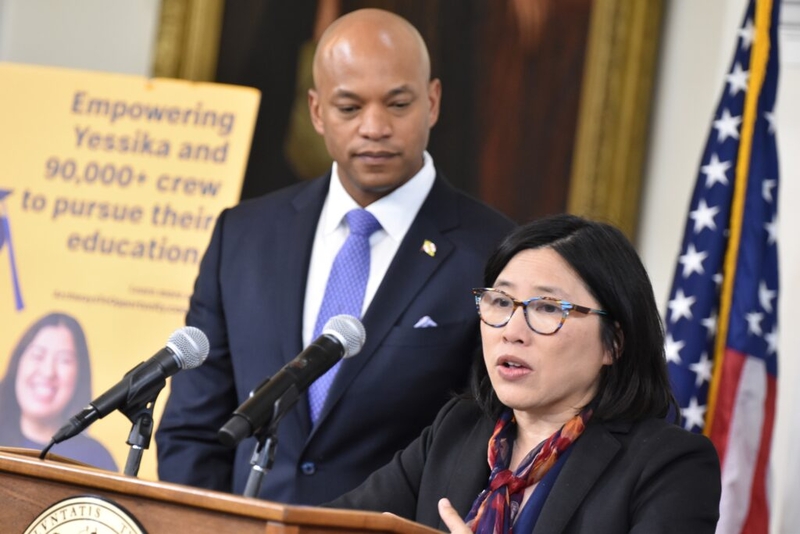
Maryland Labor Secretary Portia Wu. (File photo by Bryan P. Sears/Maryland Matters.)
State officials announced the launch Tuesday of the long-awaited family leave policy that will let Marylanders take up to 12 weeks of paid leave to nurture a newborn baby, take care of loved ones or manage their own significant medical challenges.
Starting Tuesday, employers in Maryland are expected to register with the state to declare how they plan to provide the new Family and Medical Leave Insurance (FAMLI) benefit required by state law, either by joining the state plan or submitting plans to go with a private option instead. Businesses will start paying into the FAMLI fund quarterly in January, with the benefit available to workers starting in 2028.
“Until the passage of this law (in 2022), a huge portion of Maryland workers simply didn’t have paid leave protections,” Labor Secretary Portia Wu said in a call with reporters Tuesday. “Which means that if they were to have a serious medical condition themselves, have a new child, need to handle things because of a family member’s deployment, that they would face a situation where they may have to choose between their job or paycheck and caring for the themselves or a family member.”
The launch, which comes after several years of delays since the 2022 legislation that created the paid family leave program, was met with mixed responses Tuesday.
Some business leaders are asking if this is the right time to launch what they call “a payroll tax” on Maryland employees and business owners going through a challenging economic period.
“The rollout could not come at a worse time,” said Mike O’Halloran, the Maryland and Delaware director for the National Federation of Independent Business, in a written statement. “A new government mandate that increases payroll taxes while decreasing take home pay is a tough pill to swallow as small business owners and their employees are dealing with increased utility bills, higher health insurance premiums, and more taxes and fees.”
Amid federal uncertainties, state officials propose delaying paid family leave — again
But supporters see it as a long-awaited benefit that will help families take care of their loved ones during important and serious medical challenges. The employer registration that started Tuesday is the “first step” to finally getting the program off the ground after several delays.
“The employer registration is the first step in that process,” Kali Schumitz, vice president of external relations with the Maryland Center on Economic Policy, said Monday, ahead of the Sept. 1 launch.
“Hopefully it will be a smooth process as employers start getting registered and getting into that system because they’ve had that extra time to do that – that is the benefit of the delays, even though it means that Marylanders are waiting longer for this benefit to be available to them,” she said.
The FAMLI program is an insurance program that creates a fund to provide partial wage replacement during extended medical leave and protects employees’ jobs during their absence.
From Tuesday through Nov. 15, employers will have to either join the state’s FAMLI program, declare an intent to go with a private provider or decide to build their own paid family leave policy in-house. Regardless of method, employers will need to register their plans with the state.
Over 3,500 employers have already enrolled during a “soft launch” of the program, Wu noted.
Contributions start on Jan. 1, 2027, with employers paying the state quarterly starting in April. Businesses can pull from workers’ salaries to fund half of those contributions. Businesses with 15 employees or fewer qualify for a discount to exempt them from the employer’s portion of the contribution.
Employees can begin using the benefit in 2028 if they’ve worked at least 680 hours in a position localized in Maryland over the four calendar quarters reported before they file a claim or their leave begins.
They can apply for benefits 60 days before or after the first date of leave needed for a qualifying event.
The Maryland Chamber of Commerce says that the logistics of accommodating FAMLI leave could be challenging to implement when the employee may not apply for benefits until two months after the qualifying event.
That’s just one of the concerns from Maryland businesses.
What workers get is job protection as well as income replacement of close to $1,000 a week for the average worker in the event that something happens. The fact is, workers are not able to work when these incidents happen often and what they’re doing now is totally losing their pay and risking their jobs. This program will make sure that does not happen.
“As Maryland moves toward implementing FAMLI, employers continue to have significant concerns about the program’s complexity, affordability and administrative burden, as well as its broad eligibility and job-protection requirements,” Mary Kane, president & CEO of the Maryland Chamber, said in a statement. “There are also real questions about whether sufficient safeguards are in place to prevent fraud and abuse, and ultimately protect employers and employees from bearing the cost when the program is misused.”
Officials with the chamber also note that other benefits offered to current employees may be weakened or less flexible to accommodate the cost of providing the paid family leave benefit. The chamber also questions whether there’s been adequate communication from the state to employers, particularly smaller businesses, about the rollout of the program.
“At a time when affordability is a major concern for Maryland families and the state is already facing serious economic competitiveness challenges … we need to be mindful that this program represents another cost for both businesses and working Marylanders,” Kane said in the statement.
“Since the law was originally enacted, the expected cost of the program has expanded by more than $1B (billion), and we have to consider what that cost will mean for household budgets, employers’ ability to grow and create jobs, and Maryland’s broader economic competitiveness,” the statement said.
Kane said lawmakers “should act to mitigate the negative financial impact the program will have on the state’s economy.”
But Wu said that having a robust paid leave plan is necessary to be competitive, as 14 other states already have a paid family policy in place.
Maryland regulations set the contribution rate for businesses at 0.9% for calendar year 2027, half of which can be offset through withholdings from employee salaries. Wu said that for the average Maryland employee, “it’s less than a dollar a day.”
“And in exchange for that, what workers get is job protection as well as income replacement of close to $1,000 a week for the average worker in the event that something happens,” she said. “The fact is, workers are not able to work when these incidents happen often and what they’re doing now is totally losing their pay and risking their jobs. This program will make sure that does not happen.”
That said, some state workers will be exempted from contributing to the fund. A law passed this year creates a different family and medical leave insurance that exempts state executive branch employees from needing to contribute into the fund in an effort boost recruitment to state jobs.
Responding to questions from the media, Wu said that the state employee program was negotiated with employee unions, noting that there are some private companies that offer to take on the full cost of the collections for paid family leave rather than pulling employee contributions.
While questions may lie ahead, the road to launch the FAMLI program has been rough.
The 2022 legislation establishing the fund, called the Time to Care Act, was vetoed by then-Gov. Larry Hogan (R), a veto that was overridden by the General Assembly. Under the original legislation, FAMLI benefits were supposed to be available as of 2025, but lawmakers delayed implementation for a year to account for the veto.
Then last year, amid a $3 billion budget shortfall and rapid-fire policy decisions from the Trump administration, Wu proposed delaying the implementation of the program by 18 months to help the state, employers and workers prepare what she called “huge instability and uncertainty.”
The Maryland Center on Economic Policy and other groups with the Time to Care Coalition said they are thankful that the program is moving forward, even after all the delays.
“What we ultimately care about at the end of the day is that Marylanders are able to take time away from work when they need to welcome a new child, or care for themselves or their families when they’re facing serious illness,” Schumitz said.
“Right now, there’s just way too many people who can’t afford to take that time off or are afraid they’ll lose their job if they take the time that they need,” she said. “Obviously, coalition members were definitely disappointed with the delays when they happened, but that’s kind of in the past, and we’re excited to see things moving forward now.”
— Maryland Matters reporter Bryan P. Sears contributed to this report.
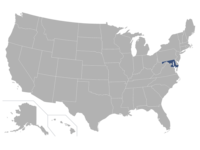
Annapolis, MD