$323M plan for Omaha’s old auditorium site back on track
Nov 09, 2026 | 6:30 am ET

Description
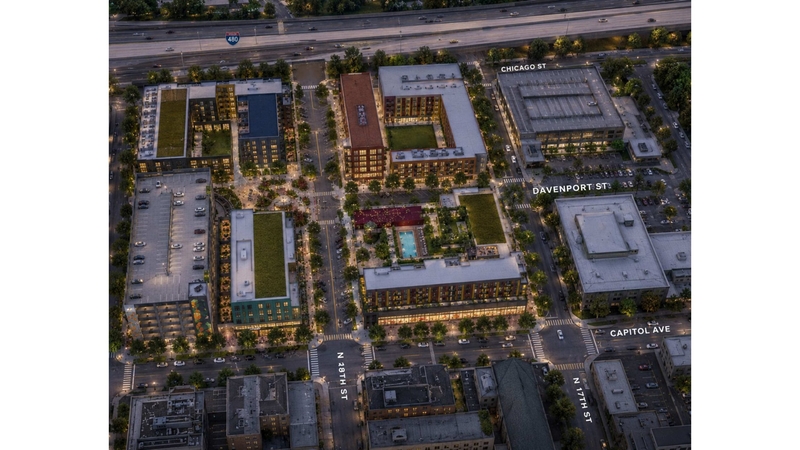
Night perspective at Civic Square, former Civic Auditorium in downtown Omaha. (Courtesy of White Lotus Group and RDG)
OMAHA — After months of legal wrangling with city officials, a planned $323 million campus of housing, retail and entertainment venues appears back on track at the former home of Omaha’s storied Civic Auditorium.
The roughly eight acres of prime downtown real estate had been cleared for development a decade ago, and ideas had come and gone before the city officially sold the land in 2023 to Civic Corner LLC, owned by private developer White Lotus Group.
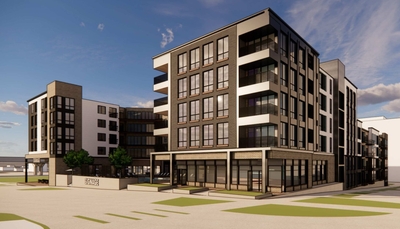
The six-phase mixed-use project stalled somewhat in September 2025 after Omaha city officials issued a notice of default and tried to reclaim the property, saying that construction had not progressed according to terms. The developer disagreed and took the matter to court this past January.
Though the city initially filed counterclaims, it retreated from those efforts with a judge’s stamp of approval in August.
Most recently, on Wednesday, Civic Corner representatives appeared before the Omaha Planning Board — which voted 6-0 to green-light their request for $34 million in public tax-increment financing to help cover costs. That financing is integral to the project, and the request now heads to the City Council for final approval.
TIF — a legislatively created public financing mechanism aimed at spurring economic development — allows the new property tax revenue on a TIF site to be diverted for up to 20 years to help pay a developer’s eligible project costs.
Old Shrine Circus days
Planning Board member David Rosacker spoke favorably about the redevelopment plan he called “well-conceived” with elements that “feed on each other.”
He reflected back to his youthful years going to the auditorium to see the Shrine Circus, though Rosacker also noted the lengthy wait for something to fill the tract historically known for hosting decades of school graduations, concerts, political rallies, sports and other events. White Lotus and the city entered into an initial agreement in late 2021, but the developer has owned the land for three years, having paid the city about $1.4 million for it.
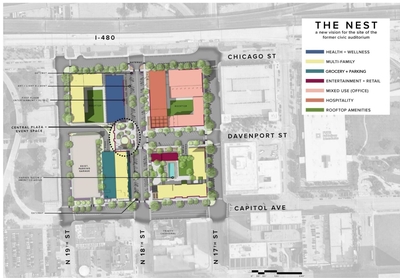
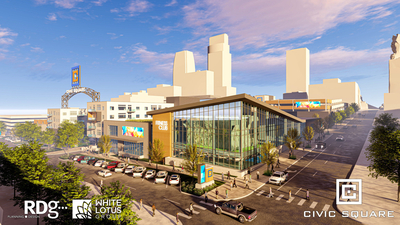
Poised to sprout on the four city blocks are about 380 apartments, 30 for-sale condos, 120 hotel rooms, 125,000 square feet of offices and 150,000 square feet of retailers, including a fitness center and a grocery store. The latest plan submitted to the city estimated creation of 80 new jobs.
“I’m excited about this whole concept,” Rosacker said.
Board Chair Michael Pate sought answers about the timetable. “Obviously we don’t want that property to be sitting there … and not having much activity on it.”
Pate complimented the overall vision, however, which focuses on drawing young talent and Creighton University Bluejays to the site called Civic Square but also nicknamed “The Nest” by student groups.
“We hope you succeed,” said Pate. “It’s a good project.”
The developer’s tax-increment financing request has also been endorsed by a city TIF committee and the Planning Department staff, though an exchange between Pate and Deputy City Attorney Jennifer Taylor showed that not all is resolved in the legal battle with the city.
Pate, noting that a TIF review committee last September had denied the same TIF request, wanted to know: “What changed?”
Taylor said the default notice was at play in last year’s denial. The city has since withdrawn that, she said, removing a cloud on the title and allowing the developer to proceed “as they see fit.” She told board members that litigation remains ongoing between the city and developer and she was limited on what she could say. She declined to talk about the project to the Examiner, citing the litigation.
Civic Corner attorney George Achola said that as the case stands now, the only “viable claims” yet to be decided are damages the city owes to the developer.
‘Don’t take that lightly’
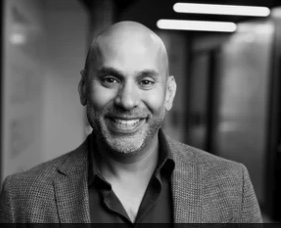
White Lotus founder Arun Agarwal told the board that he recognizes the site’s importance to the urban core of the state’s most populated city, adding: “We don’t take that lightly.”
His company also served as lead developer for the recently completed first phase of Lincoln’s transformation of the former Pershing Center auditorium site into a mixed-use community hub.
Battle fires up over future of Omaha’s old Civic Auditorium site
On the more wide-ranging and costly Omaha redevelopment, Agarwal said his team intends to “restart” infrastructure work next spring or summer and afterward would “go vertical” with first-phase buildings.
Agarwal said his team is substantially invested and it is in the developer’s best interest to get moving. The first phase on the southeast quadrant is 120 apartments, some to be offered at rents targeting low- to moderate-income tenants and others at market rates in a mixed-use building as high as five stories. Street-level retail and commercial space would help activate the area.
The plan, which the developer said has evolved, anticipates completion of all phases in about 2032. What previously was said to be a $200 million-plus initiative now carries a projected cost of $323 million, according to the latest city documents.
“This is, in our opinion, the highest and best use for the site,” said Agarwal, noting an eventual addition to property tax rolls. The estimated value is projected at nearly $210 million.
Agarwal declined to discuss legal proceedings; however, his “highest and best use” remark was an apparent reference to an alternate proposal he said the city was entertaining from a tax-exempt nonprofit.
Court records revealed more details about the alleged behind-the-scenes dealings that involved the highest offices of city government. In one 56-page filing, Civic Corner lawyers argued that the record “establishes that the city was privately courting a substitute developer — one whose designs and renderings had progressed well beyond the concept stage …”
The developer’s legal team compared the scenario to that of a marriage where one of the partners (in this case the city) was “enticed” by a suitor with a tempting package (in this case an indoor athletic complex) and sought a way out of its existing, contractual relationship.
“This case is about which party kept the promises it made at the altar, and which party spent (time) planning and looking for grounds to walk away,” wrote the lawyers.
‘Pumped’ to restart
Then-Mayor Jean Stothert brought up the mystery competitor during a mayoral debate in April 2025 where she publicly expressed concern over White Lotus’ progress at the former public auditorium site. She stated that a different developer was interested in taking over the property. She didn’t name the other, but Civic Corner in later court filings identified the competing project as one initiated by Omaha Public Schools and supported by Sherwood Foundation.

John Ewing Jr. won the election and was mayor at the time the now-withdrawn notice of default was issued against the developer. Civic Corner lawyers argued that the default complaint was based on a “windshield inspection” and that the city’s deputy chief of staff involved in the process had not reviewed key work permits and did not know the city’s public works engineer assigned to the project.
“That confirms in the most concrete way possible, the absence of any operational or engineering diligence behind the default decision,” wrote the developer’s Achola-led legal team.
The developer and the city operated under a shared understanding that TIF would be the anchoring financing mechanism for the project. Civic Corner submitted its initial TIF application in July 2025, and a city committee that reviews requests delayed action.
On Sept. 8, 2025, the City Legal Department issued the notices of default and right to repurchase based on what it said was the developer’s failure to meet construction deadlines. About 10 days later, the TIF committee voted to recommend denial based on a dispute of ownership.
That’s when the developer, in a move it said was to protect its investment, filed the lawsuit arguing that the city interfered with the developer’s ability to perform and violated the “implied covenant of good faith and fair dealing.”
Agarwal told the Examiner he was excited for what’s ahead at Civic Square.
He sees growth in surrounding downtown areas — such as the Builders District, Millworks Commons and the year-round public market planned near The Riverfront — as a plus for the redeveloped auditorium site.
“We’re pumped to be able to restart, so to speak,” said Agarwal.
Lincoln, NE