No money for new projects in upcoming transportation plan, county leaders told
Nov 27, 2026 | 7:00 pm ET
Description
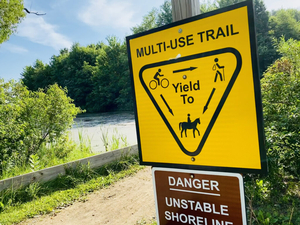
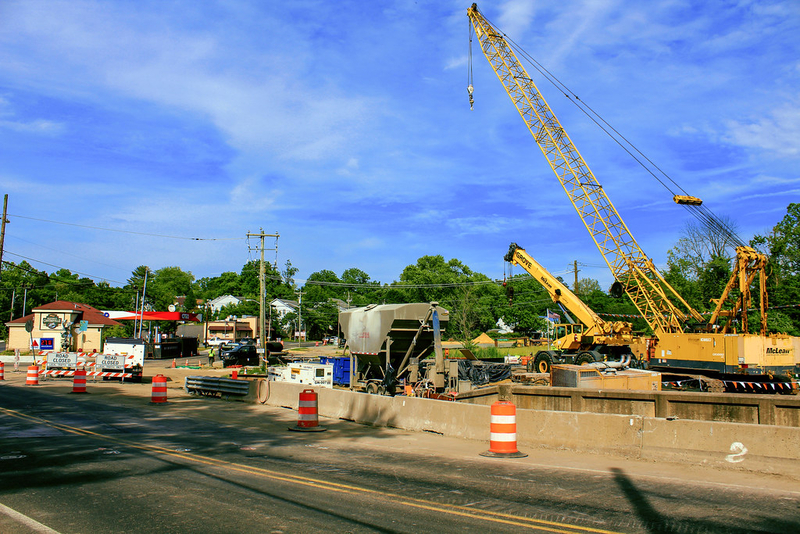
A newly revised six-year transportation plan will continue to focus on safety and maintenance and contain no new projects, county leaders were told this fall. (Photo courtesy Maryland Department of Transportation)
Maryland’s six-year transportation contains no new projects or initiatives, but will continue to focus on safety and maintenance, Transportation Secretary Katie Thomson told county leaders in a series of meetings this fall.
That message, delivered as part of Thomson’s annual “road show” meetings with officials in each of the state’s 24 jurisdictions, reaffirmed that somber projections laid out in the draft version of the $21.9 billion plan Consolidated Transportation Program rolled out in September.
“At this point, based on all the feedback that we receive, we do not anticipate any significant changes between the draft and the final,” Thomson said in a recent interview.
“We continue to advance the projects that are identified in the CTP [Consolidated Transportation Program] as priority projects, and that includes funding for further design on the Red Line, advance work for American Legion Bridge, and some of the other projects that you’ve seen … to adjust for inflation and other costs,” she said. “I think that the major projects that you see in the draft will be those that you see in the final.”
State eyes restart of American Legion Bridge replacement, Capital Beltway widening
In addition to her road show visits this fall, Thomson sent a letter to county leaders earlier this month restating her department’s focus.
“I sent the letter because of the uniformity of the messages, both that we, the Maryland Department of Transportation, delivered at each of our tour stops, and the uniformity of messages that we were receiving from the counties and the city of Baltimore, which is recognizing the extraordinary, and unprecedented pressures that we are all experiencing,” Thomson said.
The six-year proposed plan covers fiscal years 2027-2032 and is $200 million less than the CTP approved by lawmakers earlier this year.
The total funding for the period is just 1% lower than the current plan. But it comes at a time when needs continue and the transportation trust fund remains underfunded, stressed by inflation.
Counties face the same uncertainties at a time when state aid they receive from highway user revenue has not returned to levels from before the Great Recession. If left unchanged, the counties could lose more than $100 million in fiscal 2028 as their portion of highway user revenues erodes from a share of about 20% to less than 16%.
“The resounding feedback that we were getting was that everyone’s facing these pressures more extreme,” Thomson said. “It’s not unusual to see inflation in the transportation sector, but this truly is unprecedented.”
In the first eight months of the year, the cost of diesel fuel increased by 41%. The cost of asphalt — a petroleum product — increased by 38%.
The department also cut $26 million from its current year budget.
And while much of those price increases have been driven by the war with Iran, Thomson said in January that they had seen costs on projects increase by 40%.
“So, as we were out talking about why in this CTP there are not major new investments in capital projects, and explaining it’s because, you know, it’s a significant increase in the price of diesel fuel and the increase in the cost of asphalt, other materials, and labor costs that we were not going to be able to make big, major new capital investments,” Thomson said, “and that we were going to focus on the safety of the system and investing our dollars in the state of good repair of the system to the best of our ability.”
Annapolis, MD