Louisiana’s quest for US Space Academy persists despite midterm setback
Nov 25, 2026 | 5:15 am ET
Description
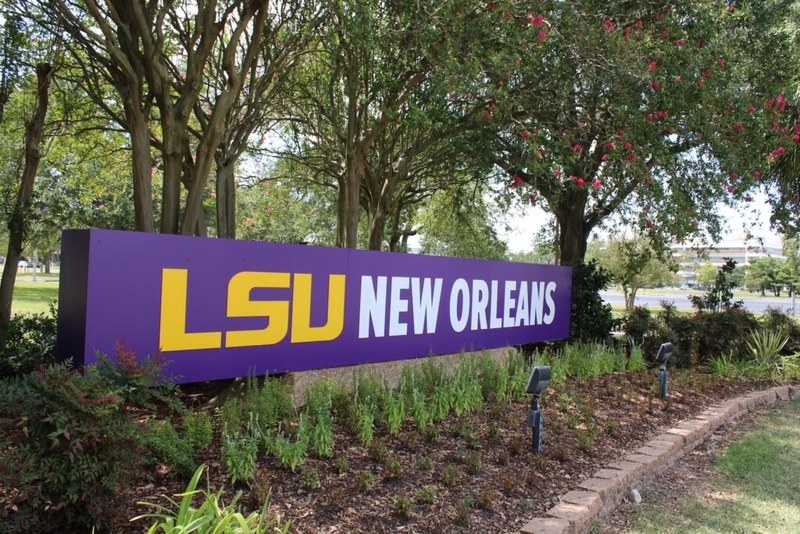
Gov. Jeff Landry has proposed hosting the U.S. Space Academy on the campus of LSU New Orleans. (Photo by Greg LaRose/Louisiana Illuminator)
Louisiana is continuing its quest to become the home of the U.S. Space Force Academy despite the loss of key leadership positions in Congress that could have helped steer the project to New Orleans.
State leaders announced earlier this month have been working for much of this year on a proposal to host the new academy.
Gov. Jeff Landry, a Republican, proposed hosting the academy on the campus of LSU New Orleans, previously the University of New Orleans, which comes with considerable unused acreage and vacant office space.
The final decision on where to base the academy lies with President Donald Trump’s administration, but site selection is expected to involve political jockeying on Capitol Hill as the project would require significant federal spending.
Landry said he was confident in the state’s proposal when asked about whether the midterm election results, which will remove U.S. House Speaker Mike Johnson and U.S. House Majority Leader Steve Scalise from leadership positions, would be a roadblock for the state,
“We are confident in the work we have done, the strong partnerships we have built and the compelling case Louisiana has made,” the governor said. “The Space Academy belongs to a state that builds rockets, supports our nation’s military and is now home to the world’s largest spaceport.”
During the space race of the 1960s, the NASA Michoud facility in eastern New Orleans built the first stages of Saturn rockets that sent Americans to the moon. The same location produced external fuel tanks for the space shuttles, and its most recent work has been on the core stages for the Artemis program that intends to take man back to the moon.
The LSU New Orleans campus, about 10 miles from the Michoud complex, is in the congressional district of U.S. Rep. Troy Carter, a Democrat who is in the running to be the next chairman of the Congressional Black Caucus. The powerful position could help turn the tides in Louisiana’s favor in the Democratic-controlled Congress that takes over Jan. 3.
“Count me as a champion of the state’s application to host USSA!,” Carter posted on social media. “Should the administration select LSU New Orleans as the next site of the U.S. Space Academy, it will have chosen the only university system in America that is a Land, Sea and Space Grant institution!”
LSU New Orleans will compete against proposals from at least two dozen other states, but officials hope the city and state offer some key advantages.
In addition to the city’s history with NASA, SpaceX has chosen to build a $100 billion launch facility in coastal Vermilion Parish. Dubbed Starbase Louisiana, its projects sending 30 rockets per day into space, according to the company.
“Louisiana is building one of the most consequential aerospace ecosystems in the country, and the U.S. Space Academy would give us the opportunity to build the talent pipeline alongside it,” Louisiana Economic Development Secretary Susan Bourgeois said.
In addition to a home on the LSU New Orleans campus, the state is offering assistance from the city of New Orleans, facilities at Southern University at New Orleans and Tulane University and a dedicated state fund to cover startup needs to lower the federal investment needed.
State Rep. Jack McFarland, R-Jonesboro, who leads the legislature’s budget committee, said he had not yet had discussions with the Landry administration about specific amounts of money the state would provide.
Baton Rouge, LA