State health department urges Michiganders to stay up to date on vaccines as measles cases rise
Nov 23, 2026 | 5:18 pm ET
Description
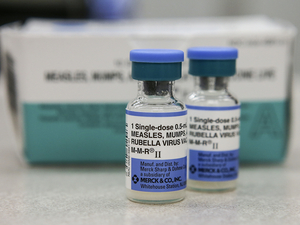
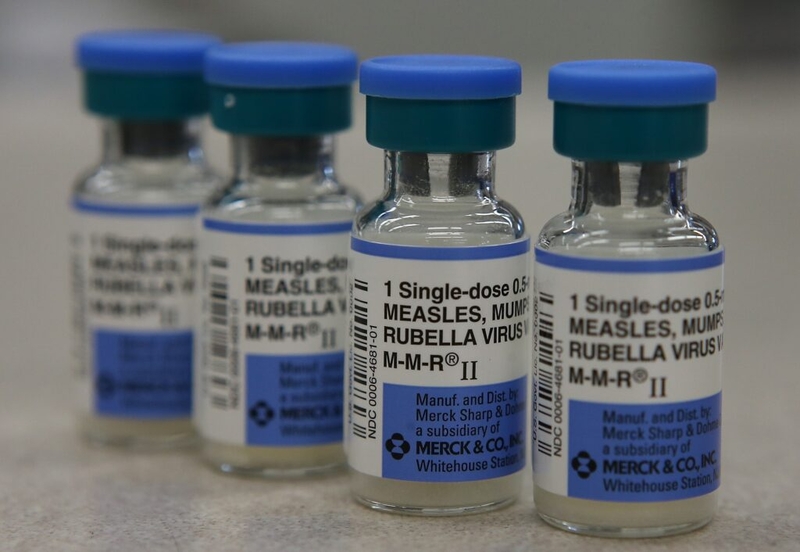
Vials of measles, mumps and rubella vaccine are displayed on a counter at a Walgreens Pharmacy on Jan. 26, 2015 in Mill Valley, California. (Photo by Illustration Justin Sullivan/Getty Images)
To prevent the spread of illness heading into the holiday season and counter the rising number of measles cases within the state, the Michigan Department of Health and Human Services is advising residents to ensure they are up to date on their recommended vaccinations.
The push follows the United States losing its measles elimination status, meaning that the disease has been continuously transmitted for 12 months. Measles was declared eliminated in the U.S. in 2000, largely due to widespread vaccination.
As of Tuesday Nov. 17, the state has recorded 37 confirmed measles cases, across multiple counties, with 16 cases confirmed between Oct. 26 and Nov. 17. With measles cases on the rise, health officials are encouraging residents to review their vaccination records and ensure they have received their shot for measles, mumps and rubella, or the MMR vaccine.
“Unlike many vaccines that primarily reduce the severity of illness, the MMR vaccine is highly effective at preventing measles infection itself.” Natasha Bagdasarian, the state’s chief medical executive said in a statement. “Two doses provide about 97% protection and long-lasting immunity against a disease that is among the most contagious viruses we know. As the risk of exposure increases, vaccination remains our strongest tool for keeping Michigan families safe.”
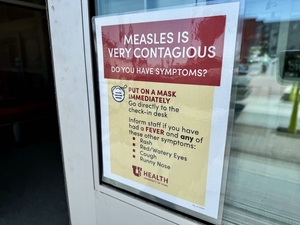
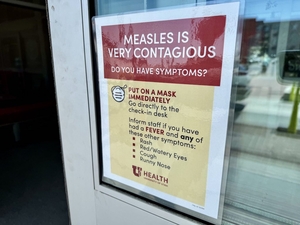
The DHHS is also raising awareness of the signs and symptoms of measles, noting that the illness begins with a fever, cough, runny nose and red, watery eyes and is followed by a rash that usually begins on the face and spreads to the rest of the body.
The department urges anyone who develops measles or who believes they may have been exposed to measles to call their healthcare provider before entering any healthcare facilities, including urgent cares and emergency departments. By calling ahead, healthcare facilities can take steps to prevent other patients from being exposed.
Alongside increased measles cases, Michigan is also facing an early influenza season, with 188 hospitalizations recorded as of Nov. 14, compared to the 142 hospitalizations recorded in the week of Dec. 6, 2025. With families beginning to travel and gather for the holidays, cases are expected to rise, with Bagdasarian again pointing to vaccination as one of the best tools for reducing the risk of serious illness, hospitalization and death from influenza, and other respiratory illnesses.
With 18.2% of Michigan residents already vaccinated against the flu for this season, the department is encouraging others to get their flu shot, noting that it takes two weeks for the body to develop protection after receiving the vaccine.
The Department also encourages people to take steps to limit the spread of the illness by staying home when sick, covering their coughs and sneezes, washing their hands and improving indoor ventilation.
More information on preventing influenza and the flu vaccine is available at Michigan.gov/flu/prevent while more information on measles is available at Michigan.gov/measles.
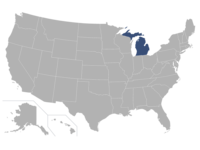
Lansing, MI