Eviction prevention program faces uncertain future as funding runs out
Nov 23, 2026 | 4:55 am ET
Description
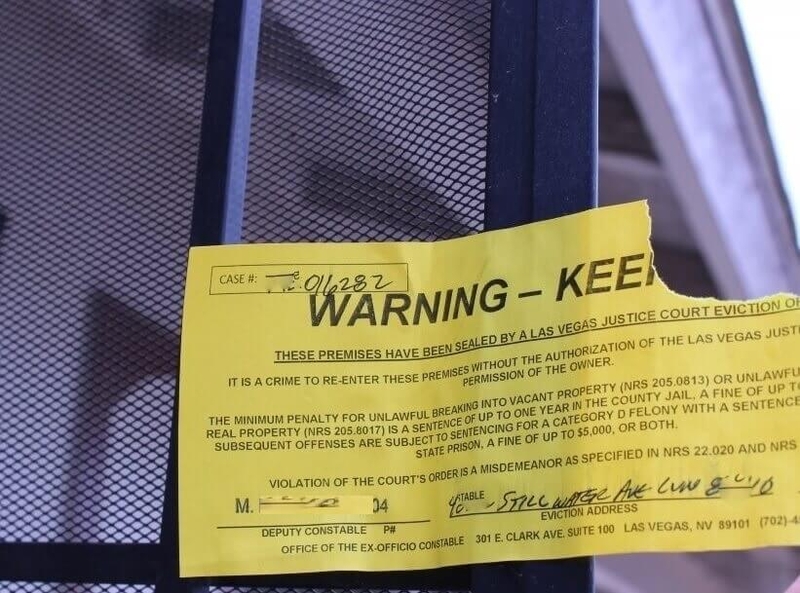
There are over 150,000 renter households in Maine, a majority of which are "cost burdened" and pay more than a third of their salary for rent. (Photo by Nevada Current)
Maine’s eviction prevention program is running out of money just two months after opening applications for the year, prompting advocates to call for a larger, permanent investment as thousands of households seek rental assistance.
MaineHousing and Portland-based nonprofit Project Home announced Wednesday that the program’s current waitlist is expected to exhaust the $11 million lawmakers allocated earlier this year. The announcement comes as advocates plan to push the incoming administration and Legislature to make the program permanent and significantly increase its funding starting next year.
The need to shorten the application period “definitely demonstrates how urgently people needed the support,” said Rep. Ambureen Rana, a Democrat from Bangor who sponsored the eviction prevention program bill earlier this year. “We’re recognizing that it’s about to run out of funds, and honestly it’s not surprising, given that it was funded at the level that it was.”
According to MaineHousing’s dashboard, more than 2,500 households applied to the program since Sept. 21. A vast majority of those are still being processed, but 187 applicants have received benefits and 114 have been rejected.
The program targets Mainers making less than 60% of the area median income and who pay less than 125% of their area’s fair market rent. People who live in subsidized housing or use federal housing vouchers are not eligible.
Since the program launched in 2024 as a response to increasing post-pandemic evictions, it has helped more than 1,400 households avoid eviction “and the devastating ripple effects it can have on employment, education, and family stability,” according to Victoria Morales, executive director of Project Home.
When it launched as a pilot in 2024, the Legislature allocated $18 million, with participants receiving $800 a month in rental assistance. Rana had proposed earlier this year increasing the funding to $25 million, but lawmakers ultimately reduced it to $11 million. The program in its current iteration offers an average monthly rent benefit of $573 and average overdue rent benefit of $4,180.
The program has already proven to be effective. MaineHousing’s 2026 report showed that the number of evictions dropped for the first time since 2020, from 5,977 in 2023 and 4,663 in 2024 to 4,057 last year (based on 11 months of data).
“It is safe to assume that the program has contributed to this decline,” the report states.
Morales agreed. “It’s rare that you have a program anywhere that in the first full year has that much of an impact,” she said. “I just hope that that’s what everyone is thinking about: If we can stabilize households, we also prevent them from deeper crises of becoming unhoused, of needing shelter services, of then needing emergency room services.”
Morales and Rana both told Maine Morning Star they hope the new governor and incoming Legislature will make the program permanent and increase the state’s investment in eviction prevention.
Neither have spoken with Gov.-elect Hannah Pingree’s team, but both said they are encouraged by her experience working on affordable housing. Pingree declared housing to be one of her administration’s priorities on the campaign trail, and her spokesperson Mary-Erin Casale echoed that on Friday, reiterating her commitment to invest $100 million in housing programs.
“The governor-elect is committed to working with the Legislature and stakeholders to determine how best to use that investment, and to find a way to support eviction prevention efforts as part of the broader housing agenda. No Mainer should live without a safe, stable home,” Casale said.
“Eviction prevention programs, especially for seniors, families with children and other vulnerable Mainers, help households avoid instability and homelessness.”
Rana said even the $25 million she had initially proposed this year may not be enough going forward, given people’s economic precarity and the increased cost of living. Morales estimated that between $26 and $30 million would be needed to meet the statewide need.
“The fact that this program is closing within two months, it really does show how big the need is and how big that investment is going to have to be,” Rana said.
“Our hope is that this administration realizes that 78,000 households in crisis — who are lower-income renter households — is really too big to fail for this economy,” Morales added. “We’d be spending a lot more on the potential crisis than we would be on actually stabilizing people’s housing.”
Augusta, ME