West Virginia suit claims NJ’s solar credits are discriminatory
Nov 19, 2026 | 1:35 pm ET

Description
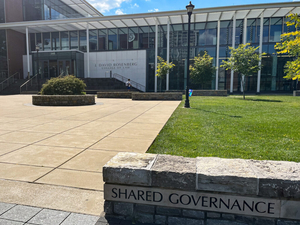
West Virginia alleges a requirement that solar projects be tied into New Jersey's energy infrastructure to win credits impermissibly excludes projects from other states. (Photo by Dana DiFilippo / New Jersey Monitor)
West Virginia is suing New Jersey and its energy regulators, alleging solar energy credits meted out by the Garden State impermissibly discriminated against solar generators outside of New Jersey.
The suit filed Wednesday in New Jersey federal court alleges the state’s Solar Renewable Energy Credit programs blocked participation from generators outside the Garden State, exclusions West Virginia argued violated interstate commerce protections and raised prices for ratepayers across the 13-state grid run by PJM Interconnection.
“The geographic restrictions serve a purely economic purpose: channeling solar investment and jobs to New Jersey at the expense of out-of-state competitors,” West Virginia states in its lawsuit. “That is precisely the kind of economic protectionism the Commerce Clause forbids.”
Power producers on PJM’s grid earn credits for each megawatt of renewable energy they generate. These credits can be sold separately from the electricity generators produce and are used by gas and other fossil fuel plants to meet renewable energy requirements under the Regional Greenhouse Gas Initiative and similar other programs setting renewable energy benchmarks.
New Jersey allows generators in other states on PJM’s grid to obtain renewable energy credits under separate programs for wind, tidal, methane, and other types of generation, but its rules for solar renewable energy credits cut out solar generators from other states by requiring those plants be physically tied into New Jersey’s energy infrastructure, the suit alleges.
The exclusion of out-of-state producers make New Jersey’s solar installations artificially profitable by comparison, forcing West Virginia’s solar generators to sell their power to ratepayers who voluntarily purchase more renewable energy than states require, the Mountain State argues.
Prices on those voluntary markets ranged from about $2 to $8 per megawatt hour, compared to $88.94 to $105.74 through New Jersey’s solar credits, West Virginia argues, adding the exclusions had already cost its producers between $20 million and $22 million in missed credits and could cost them as much as $296 million between 2027 and 2031.
“We should all be working toward a more efficient and reliable system, but rules like these stand in the way of progress, and ultimately all households and businesses pay the price,” West Virginia Attorney General JB McCuskey said in a statement.
He said New Jersey’s rules had raised electricity prices for West Virginia ratepayers because the state’s utilities would have passed savings from the credits onto their consumers.
At the same time, New Jersey has failed to meet its own annual goals for solar procurement, the lawsuit claims. Though the state targets 300 megawatts of new solar annually, it met that goal only once between 2022 and 2025
Spokespeople for Gov. Mikie Sherrill, who has made energy affordability a key focus during her campaign and first 10 months in office, declined to comment on pending litigation.
Michael Symons, a spokesperson for Attorney General Jennifer Davenport, indicated New Jersey would defend the programs.
“We will continue to work with Governor Sherrill and her administration to support the development of renewable energy and drive costs down for our state’s residents,” he said. “We look forward to defending against this lawsuit in court.”
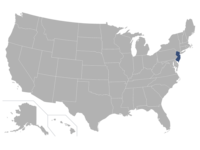
Trenton, NJ