Kentucky Power asks state to build a $2.8 billion gas-fired power plant for big data center
Nov 18, 2026 | 12:49 pm ET
Description
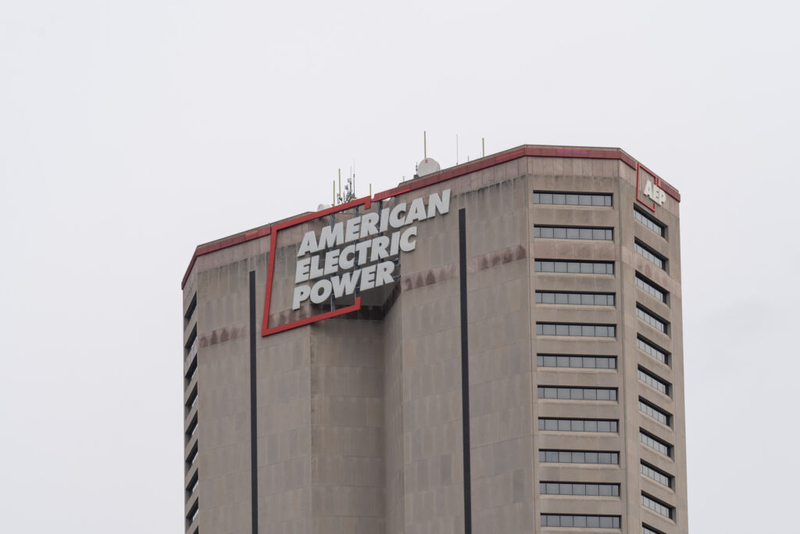
Kentucky Power is a subsidiary of investor-owned American Electric Power, headquartered in Columbus, Ohio. (Getty Images)
An investor-owned electric utility serving Eastern Kentucky is asking permission from the state’s utility regulator to build a natural gas-fired power plant providing electricity for a proposed hyperscale data center.
The proposal to build the $2.81 billion power plant would be the first major power plant Kentucky Power has built in decades. Kentucky Power serves about 162,000 customers across 20 Eastern Kentucky counties and is a subsidiary of Ohio-based American Electric Power.
In a provided statement, Kentucky Power president and chief operating officer Cindy Wiseman said the utility’s commitment to Eastern Kentucky “goes beyond providing reliable electricity.”
“We’ve served these communities for generations, and we want our customers and communities to share directly in the benefits when new investment comes to the region,” Wiseman said.“Eastern Kentucky has a tremendous opportunity ahead, and thoughtful growth can strengthen our electric system, support good jobs and attract new investment.”
In its application to the state’s utility regulator, the Kentucky Public Service Commission, Kentucky Power argues the combined cycle natural gas turbine, generating up to 769 megawatts of electricity, is needed to meet the demands of a hyperscale data center planned by the investor-owned company TeraWulf with an electricity demand of 1 gigawatt, or 1,000 megawatts.
The electric utility wrote it had compared other options including a smaller gas-fired turbine and renewable energy but needed a “a more energy dense resource” for near-constant demand of the data center. The cost of building combined cycle turbines has surged this year because of electricity demand from data centers. The utility is seeking to buy fossil fuel-fired power from elsewhere until the new power plant is put into service in 2031.
The utility is also asking the regulator to approve a contract to serve TeraWulf, which would have TeraWulf agree to pay approximately $100 million over 10 years to offset residential utility bills in the winter — estimated to be about $26 a month for each ratepayer during the winter.
Ratepayer concerns and protections
Elected officials in Boyd County and Greenup County unveiled the Terawulf proposal this summer to build the data center at the EastPark industrial park, the same location where the state had to claw back a $15 million investment for a failed Braidy Industries aluminum mill.
TeraWulf has held public meetings in the months since, hearing concerns from residents worried about potential impacts on utility bills among other environmental concerns, according to public radio station WEKU. TeraWulf has also said it wants to potentially double the size of the data center. The company is also building a hyperscale data center at a former aluminum smelter in Hancock County.
In written testimony, American Electric Power vice president Alex Vaughn said current ratepayers would see no rate increase with the building of the new power plant. He wrote that’s because of savings in fuel costs from the new, more efficient power plant and because the utility would be collecting more of its revenue from the TeraWulf data center.
Suzanne Griffith, a Kentucky Power ratepayer in Boyd County, had urged state lawmakers to enact ratepayer protections against data center impacts during an October listening session at the state Capitol Annex. Incoming House Majority Whip Josh Bray, R-Mount Vernon, is looking to enact such a law next year after a bill to do so died this year.
She told the Lantern that despite assurances from the utility, she’s still worried about the long-term impacts of the power plant and data center on residential utility bills.
“People are at their utter limits here in Eastern Kentucky. People send me their bills. They’re ridiculously high,” Griffith said. “What are they expecting out of us?”
A Kentucky Power spokesperson said the utility’s internal rules already protected ratepayers, including a requirement that industrial customers pay for 90% of their contracted electricity capacity every month.
Kentucky Power’s residential ratepayers pay among the state’s highest average monthly utility bills; the utility serves among the poorest counties in the state. The poor energy efficiency of the region’s housing stock is a factor in electricity bills surging to hundreds of dollars a month for some ratepayers during the winter.
The Public Service Commission is also scrutinizing Kentucky Power’s planning practices in an ongoing audit. The commission recently gave permission to Kentucky Power to build a new cooling tower at its coal-fired power plant with the help of a federal grant.
Frankfort