New federal rules proposed for food stamps are inhumane
Nov 13, 2026 | 3:12 pm ET
Description
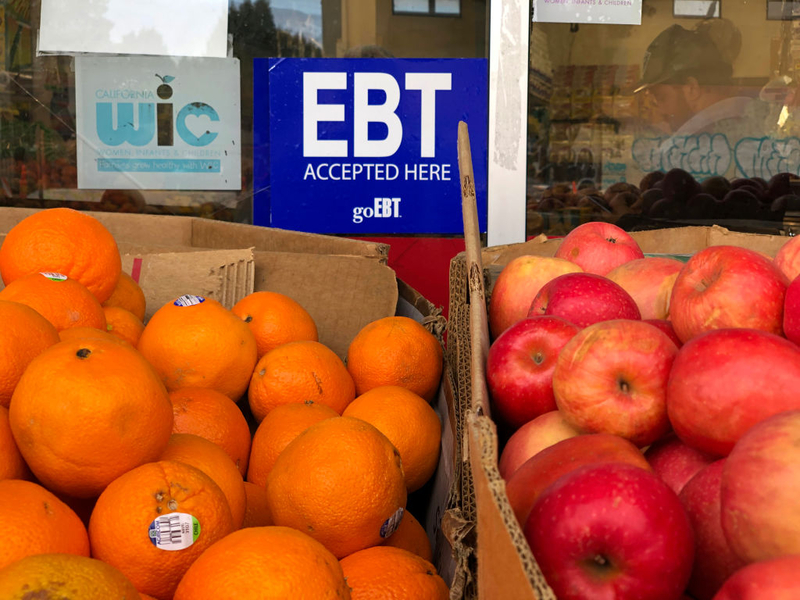
The Trump administration, which is spending hundreds of millions on vanity projects for the president, wants to cut costs when it comes to food stamps. (Photo by Justin Sullivan/Getty Images)
As U.S. Senate Democrats bicker over who their next leader will be, the Trump administration is moving to ax food stamp benefits for millions of Americans.
A new federal proposal we just wrote about targets some of the nation’s poorest people while also pretending that it’s acting in the best interests of those same people.
Assembly Speaker Craig Coughlin, a Democrat whose top issue is food insecurity, balked at the Trump administration’s claims that its proposed rules are an attempt to shore up the food stamp system and prevent millionaires from taking advantage of it.
Coughlin, in a statement from his spokeswoman, said the White House is doubling down on policies that make working families’ lives harder by moving to make this change to food stamps, also known as the Supplemental Nutrition Assistance Program or SNAP.
“SNAP recipients aren’t gaming the system. They’re trying to survive. And punishing people for needing help is simply cruel,” he said.
The rules proposal takes aim at something called “broad-based categorical eligibility,” which allows people who are eligible for Temporary Assistance for Needy Families to be automatically eligible for food stamps. This idea was pitched by the federal government under President Barack Obama as a way to help families hurt by the Great Recession and also help governments with dwindling resources.
Because some states’ income limits for temporary assistance grants are higher than the federal income limits for food stamps, some people who make too much to be eligible for food stamps are able to get them. The Trump administration says its rule proposal is an attempt to fix this. State limits on temporary assistance can “sometimes far exceed” the same limits on food stamps, the administration says.
I think it’s helpful to dig into the numbers here. The federal income limit for food stamps is 130% of the federal poverty level, which amounts to $20,000 for a single person and $43,000 for a family of four. New Jersey’s limit for temporary assistance is 185% of the poverty level, which means $29,500 for a single person and $61,050 for a family of four.
The median household income in New Jersey is $107,797. I’m sure some folks would argue that someone making $61,050 is too rich to need government assistance to feed a family of four, but I am not one of them.
The number of people who receive food stamps but make more than the federal income limit is, relative to the program, small. The Trump administration estimates the total is 1.2 million households containing 2 million people. More than 40 million people are enrolled in SNAP nationwide.
Food stamps help about 848,000 people here in New Jersey, and the average benefit is about $200 a month. Nearly 80,000 of them are in danger of losing their benefits if the Trump rules go into effect.
The Trump administration also argues that rules surrounding income eligibility that don’t address an applicant’s material assets are harmful to the food stamp program. Its proposal says it is aware “of instances where millionaires have received SNAP benefits,” and for this it cites a single example of a Minnesota man who had little income on paper but owned $1 million in property and retirement accounts and secured food stamps in 2018.
“Because Minnesota doesn’t count those savings, I’m allowed to siphon unneeded welfare benefits,” the guy told CBS Minnesota.
There’s an argument to be made that food stamp eligibility should examine a person’s assets to prevent this kind of gaming of the system. But using this wisenheimer as a reason to kick 6 million Americans out of SNAP is ludicrous and cruel.
The Trump administration is spending $300 million in taxpayer dollars minimum on a White House ballroom, and those costs will no doubt balloon. It is considering millions in public funding for a great arch in D.C., potentially named after the president. Congress set aside $40 million for a statue garden Trump has wanted since his first term as president.
This is not an administration interested in saving taxpayer dollars — except when it comes to grabbing food stamps out of the hands of the poor.
Coughlin said he hopes the new Congress that takes over in January “recognizes the damage these policies are causing and takes action to reverse them.”
“Hunger is not a Republican or Democratic issue. It’s a human issue, and it’s long past time we started treating it that way,” he said.
Trenton, NJ