Massachusetts braces for topsy-turvy winter energy
Nov 13, 2026 | 8:34 am ET
Description
High oil prices are complicating Massachusetts’s winter energy landscape this season.
A WAVE OF sky-high oil prices, the completion of significant additional renewable energy sources, and a Super El Niño weather event are threatening to collide and inject new uncertainty into Bay Staters’ electric bills this winter just as temperatures begin to dip.
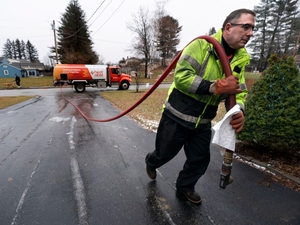
While the situation is clear for the 20 percent of Massachusetts households warmed by home heating oil, with costs up 60 percent compared to this time last year, it’s far more uncertain when it comes to electricity.
Should New England burn oil for power generation at some point this winter, as it does every year, that would be a much more expensive endeavor this time.
Those costs, to say nothing of the climate impacts, could soar if oil usage emerges anything close to last winter, the coldest in 20 years, when oil accounted for 28 percent of power generation. During a punishing cold snap in January and February, it even at times topped 40 percent.
Looming over it all are soaring utility bills and the annual rinse-and-repeat cycle of turning to high-polluting oil-fired electric generation, as power demand is projected to keep rising across the region in the years ahead.
Already, Massachusetts residents are grappling with energy bills up 38 percent on average since 2020 in a state ranked fourth-worst for energy insecurity among lower-income people.
The good news is that this season, new offshore wind capacity from the recently-completed Vineyard Wind and Revolution Wind projects and forecasts of a milder winter could blunt the need to turn to oil in the first place.
But if the coming winter is chillier than expected, or if anything fails, New England could again be forced to turn to oil. Recall the inconveniently-timed 12-day shutdown of the new hydropower transmission line just as frigid temperatures hit New England last winter, and the inexplicable two-week pause from May into June.
Plus, ISO New England, the regional grid operator, is forecasting peak demands slightly higher than last winter, according to its newly-released outlook.
“There are countervailing forces across the playing field,” said Dan Dolan, president of the New England Power Generators Association. “I have no clue what’s going to happen this winter on prices and costs.”
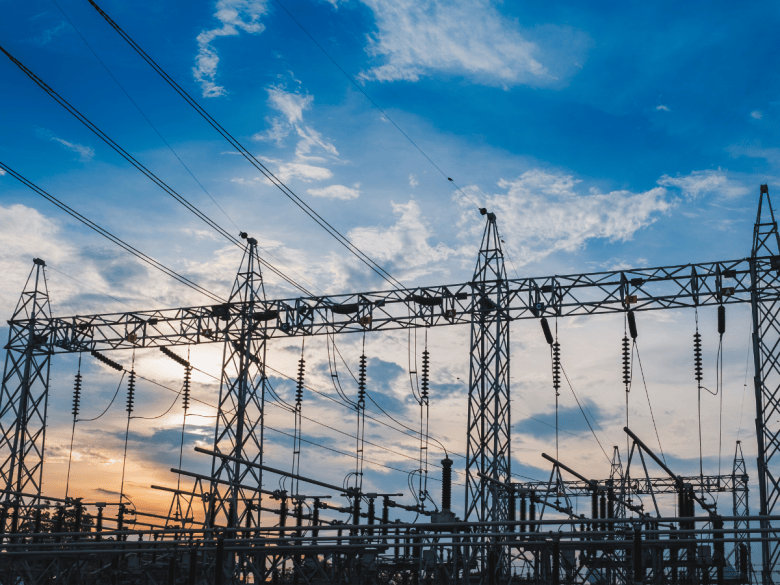
Roughly half of the region’s power supply comes from natural gas. But in the winter, with half of Massachusetts homes using gas for heat, demand for the fuel — and prices — spike to the point that some generators turn to typically cheaper oil resources to meet New England’s electric needs.
Last winter, more oil was burned than in any year since at least winter 2015, according to data from ISO New England.
This year, though, oil may not be the cheaper option even when gas prices jump. Oil prices are significantly higher than this time last year, though they have dropped a bit of late, while natural gas prices in New England are currently lower than this time a year ago.
Since ISO New England calls on the cheapest power sources to be deployed first, that could leave Bay Staters stuck paying higher gas prices should they jump, if oil is even costlier. Or it could leave them paying for expensive oil-fired electricity — which releases more than double the carbon emissions compared to gas — should it be necessary to keep the lights on, especially if another resource fails to deliver even for a short period of time.
“This just reemphasizes the work that needs to be done to accelerate the clean energy movement so that we are able to insulate ourselves from these price spikes,” said Kyle Murray, Massachusetts program director at environmental nonprofit Acadia Center.
Meanwhile on Beacon Hill, sweeping energy affordability legislation meant to deliver substantial savings to ratepayers and unclog supply shortfalls remains stuck in closed-door conference committee negotiations, where the House and Senate appear far apart.
One of the largest points of disagreement is Mass Save, the state energy efficiency initiative funded through a fee on customers’ utility bills. The House approved a plan to cut $1 billion from the program, and the Senate advanced its bill with no cut at all.
Eversource, the state’s largest utility company, warned in a 20-page letter last month to leaders of the energy committee that no legislation may be better than anything currently under consideration. Both the House and Senate versions “set the stage for dramatic cost increases,” executives wrote.
If oil is burned this winter and costs stay high, some customers may be insulated from those price shocks through at least part of the winter.
The state’s electric companies purchase power supply in six-month contracts that are approved by the Department of Public Utilities. So for the 1 in 4 customers in Massachusetts that receive electric supply directly from the utilities, known as basic service, the cost impact of burning any oil this winter would not likely show itself until the following six-month cycle, which starts in February.
The 1.4 million customers that get electricity from municipal aggregation plans, accounting for about half of all customers in the state, state data show, could be even further insulated.
These programs purchase power in longer-term 12, 24, or 36-month contracts, providing stability to the supply portion of their electric bills — about one-third of a customer’s overall bill. High oil prices would probably only affect them if their plan renegotiates its contracts in the near future. Municipal aggregation customers have saved $25 million over the last two years compared to basic service rates, according to the Department of Public Utilities.
A limited reliance on expensive oil would likely go unnoticed on most customer bills, Dolan said. But sustained high prices and a grid strained to its maximum, like what the region endured last winter, translate into higher costs for consumers.
Last winter wholesale electricity costs were up 45 percent from the one prior, higher than any other winter since 2014, ISO New England found, driven by a 31 percent surge in natural gas prices.
“The issue right now is that the prices that consumers are going to be paying for this winter do carry some of the echoes of last winter,” Dolan said. “That has now introduced a level of operational risk that hadn’t been experienced on the electric grid in quite some time. The cost of having to absorb that is now a risk that generators have to embed.”
Boston