Officials vote to reduce menhaden catch limits within the Chesapeake Bay
Nov 13, 2026 | 5:25 am ET
Description
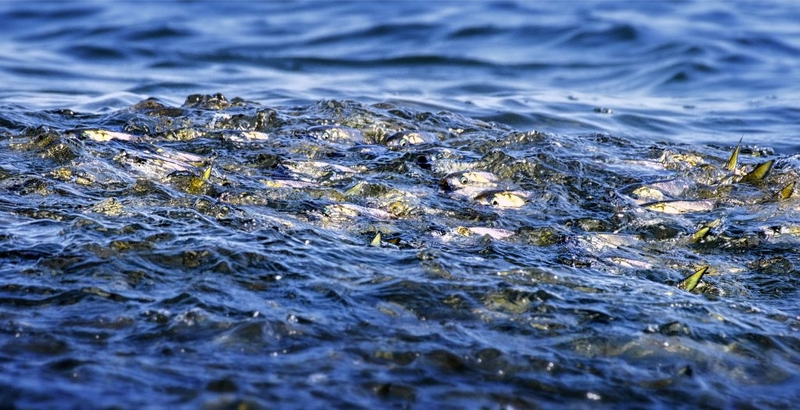
Bunker or menhaden fish, seen while whale watching off Long Beach, N.Y. (Photo by Vicki Jauron, Babylon and Beyond Photography via Getty Images)
The Atlantic Marine Fisheries Commission’s Menhaden Management Board on Wednesday voted to reduce how much of the oily forage fish can be harvested from the Chesapeake Bay, after thousands of public comments called for tighter restrictions on the only reduction fishery allowed inside the tributary.
Menhaden management has been a hot button issue across the Bay communities for years, as researchers and environmental groups have tied dwindling osprey and striped bass populations to the species having fewer menhaden to feed on.
Virginia is the only state that allows large-scale reduction fishing for menhaden within its waters.
The regional regulatory board voted to cut the catch limit within the Chesapeake Bay, otherwise known as the Bay cap, from 51,000 metric tons down to 33,847 metric tons over the next two years.
The group also reduced the overall coastwide total allowable catch (TAC) ranging from Maine to Florida by 9% to 170,000 metric tons next year and an additional 9%, or 155,000 metric tons, in 2028.
The AMFC opted to tie the Bay cap to the coastwide TAC. Historically the two limits have been managed separately by the board. Moving forward, the Bay cap will be set at 21.8% of the coastwide cap, with a ceiling of 51,000 metric tons.
Virginia’s representative on the board, Del. Adele McClure, D-Arlington, attempted to pass a motion to keep the Bay cap the same for the next two years but it failed to pass.
Maryland representatives on the board have previously voiced concerns that menhaden are not able to travel up to Maryland waters, where recreational and bait fishermen could catch them.
McClure has previously stated that it would be premature to implement a reduction before a study to get a better picture of menhaden availability within the Bay is completed. But the majority of the board representing fisheries across 15 states did not agree with her.
Ocean Harvesters, who contracts with Omega Protein, is a Reedville-based fishery that uses purse seine nets to catch large quantities of the forage fish to then grind them up into fish meal and oil.
The company has staunchly opposed the idea that the Bay is overfished – calling for science-backed proof before authorities slashed catch limits for the lone fishery.
“We are disappointed that the menhaden fishery is being treated differently from other fisheries the ASMFC regulates,” Ocean Harvesters CEO Mony Deihl said in a statement. “Our workers and families deserve the same consideration. Their jobs, communities and the economic consequences of these decisions matter just as much.”
Ocean Harvesters have pushed back on the addendum since it was first considered a year ago, highlighting jobs in the Northern Neck region that could be a stake if the catch limits were reduced.
Ben Landry, a lobbyist for the fishery, said Ocean Harvesters was only able to harvest 70% of the Bay cap in 2025 due to poor weather. In 2024 they harvested 98% of the cap and this year are anticipated to hit about 90%.
“If we have a good weather season next year, unlike 2025, these lower quotas will mean lost fishing opportunities and real hardship. These are the paychecks and benefits families rely on and the economic activity that supports our region,” Deihl said.
In 2025, the AMFC reduced the coastwide TAC by 20% but left the Bay limit the same.
Environmental groups like the Chesapeake Bay Foundation have been pushing for a reduction in the Bay cap for years, supporting studies to better understand why other species are starving in the area.
The group was vying for the strongest potential restrictions that were on the table: a 50% cut to the Bay cap and quota periods that would have limited how much menhaden could be caught at particular times of the year.
“Reaching the lowest Bay cap on record is real progress toward a healthy Bay. But more must be done to protect menhaden and the wildlife that depend on them,” Will Poston, the forage campaign manager at CBF said. “That includes ensuring upcoming research is rigorous, transparent, and free from undue industry influence.”
A state budget amendment set in motion a two-year study of the menhaden population within the Chesapeake Bay, conducted by researchers at the Virginia Institute of Marine Science and the Virginia Marine Resources Commission.
The General Assembly will hear updates on the findings starting next October to help manage a “scientifically defensible and ecologically meaningful” strategy, as required by the amendment that earmarked $2 million for the study.
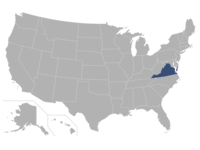
Richmond, VA