Childcare providers, lawmakers frustrated as department hasn’t followed new law; funding a concern
Nov 10, 2026 | 3:28 pm ET
Description
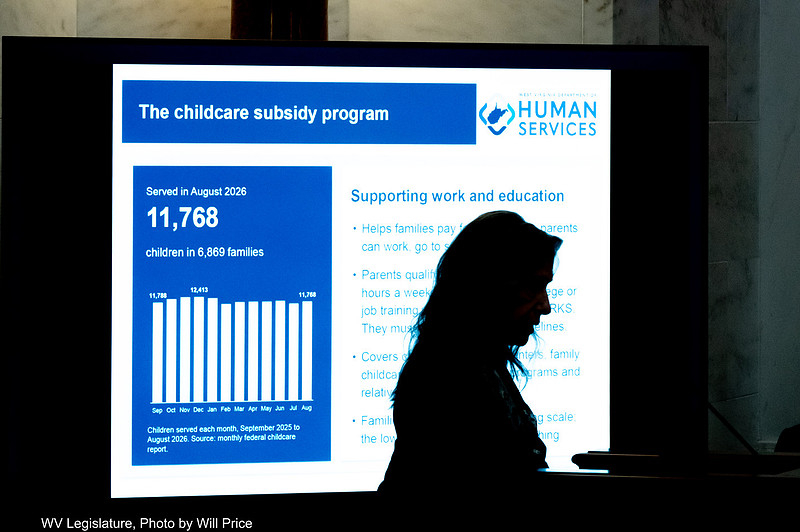
West Virginia Department of Human Services Director of Childcare Lisa Eartle speaks before lawmakers at the state Capitol on Nov. 9, 2026. (Photo by Will Price/West Virginia Legislative Photography)
Lawmakers’ hallmark childcare bill still hasn’t been implemented, drawing frustration from childcare providers and legislators.
The state Department of Human Services is more than three months behind on some key deadlines put in the legislation by lawmakers, calling it an “unfunded mandate.” The bill, which Gov. Patrick Morrisey declined to sign, went into effect in July.
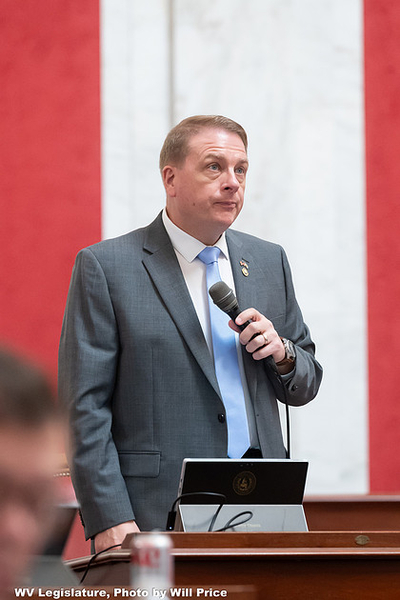
“We’re going to lose some providers,” said. Sen. Vince Deeds, R-Greenbrier.
More than 260 childcare facilities have closed since 2024, often citing West Virginia’s childcare assistance program as reason for financial instability. Around 11,700 children use the program, meaning it’s integral to many childcare center’s finances.
While the Morrisey administration has slow rolled lawmakers’ childcare reforms, providers say they’re operating on thin margins with limited communication from Human Services officials.
“It’s like we’re being punished for asking for support,” said Jennifer Trippett, director of Cubby’s Childcare Center in Bridgeport, West Virginia.
Earlier this year, lawmakers passed their first-ever robust childcare bill in an effort to stabilize the state’s childcare industry. The legislation was billed as an economic investment tool since West Virginia ranks near the bottom in the country for workforce participation.
House Bill 4191 included changes to the state’s childcare assistance program. Low-income parents have to be working on furthering their education in order to qualify for the assistance.
Lawmakers mandated that the Department of Human Services establish an electronic filing system for childcare providers to log children’s attendance in an effort to streamline the state reimbursement process. It could also help flag any potential fraud, though the department reported that regular audits of 1,300 childcare providers haven’t found any major red flags.
“They were mandated to have it established by July of 2026, and now they’re saying it’s probably going to be late spring of ’27 before it’s implemented fully,” said Deeds, who serves on the Joint Committee on Health.
“We have to get that electronic system up and running as soon as possible,” he said.
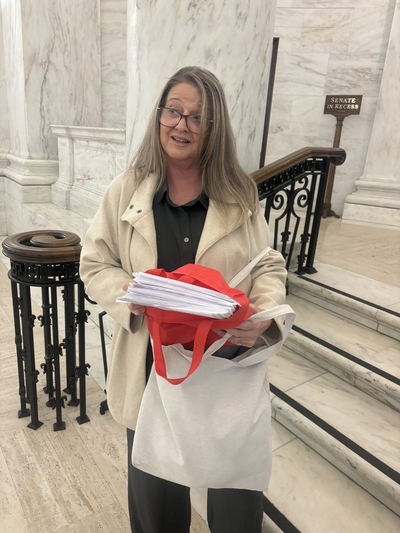
Childcare providers described a current cumbersome paperwork system for attendance and related audits that keep them from spending time in childcare classrooms or supporting staff.
“I feel like the billing system every month has been a total nightmare. We are putting countless hours into paperwork. We are being audited every month, so if we don’t have a perfect attendance sheet, that delays our funding,” said Emily White with Creative Learning Center, a childcare provider in Kanawha County.
“I just got paid for July, half of July, half of August, and all of September. The week before last, so I was waiting on $80,000,” White continued. “We have to now make sure we have extra funds in our pocket to be able to meet payroll.”
The state largely relies on federal funding for childcare assistance; lawmakers didn’t include any funding with the bill for required technology components.
Lisa Eartle, director of childcare for Human Services, told lawmakers on Monday that it could “be challenging” to implement the electronic billing system without additional funding. She couldn’t share a potential price tag for the technology.
“We are working toward a methodology of electronic filing that is user friendly for providers and allows for more efficient review by the department,” Eartle said.
Deeds said he believes the department does have room in its current budget to implement the childcare changes. Human Services has a $129 million budget this fiscal year.
“It’s just they just need to make it a priority,” Deeds said, adding that lawmakers would be open to providing additional funding if Human Services can show a need within their budget.
“We have to get it done, and we want to make sure that they get a good system that works,” he said.
Eartle said that, as a short-term solution, the department is allowing childcare providers to submit required attendance paperwork via email.
The state’s childcare assistance program is primarily funded through federal Temporary Assistance for Needy Families dollars and the Child Care and Development Block Grant.
Morrisey and Human Services officials are currently reviewing the state’s use of TANF funds due to a looming deficit in that pot of federal money. The financial scrutiny could prompt changes to the childcare assistance program in 2027, including decreasing eligibility.
Additionally, the Morrisey administration could ask lawmakers to pay for the assistance program through state dollars, which will require a consensus among lawmakers about including it in the state budget.
Charleston, WV