You have the floor. Now do the work.
Nov 10, 2026 | 8:00 am ET

Description
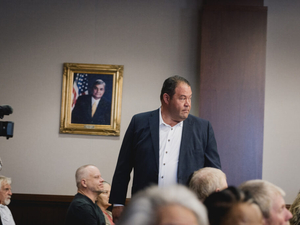
Michigan Democratic Party members and supporters watch election night returns on Nov. 3, 2026, at a watch party in Detroit, Mich. (Photo by Ben Solis/Michigan Advance)
For Democrats taking on new responsibilities after this election, the message should be straightforward: You have the floor. Now it is up to you to act.
Not every voter who supported you endorsed your entire platform. Some wanted a change in direction. Some wanted a check on power. Others simply wanted leaders to pay attention to the pressures shaping their daily lives.
The work ahead should center on priorities such as:
- Making everyday life more affordable, from groceries and utilities to housing and transportation.
- Improving access to affordable health care, including prescription drugs and mental health services.
- Strengthening economic opportunity so that work offers a realistic path to stability.
- Restoring trust in government through transparency, ethical conduct and meaningful accountability.
- Protecting democratic institutions and respecting the limits of public power.
- Addressing immigration with workable policies that take both public concerns and human dignity seriously.
These are not problems that disappear when the campaign signs come down. Nor can they be solved by reminding voters how objectionable the other party is.
Explain what you intend to do. Make the case for your proposals. Listen when people identify shortcomings. Work across party lines where progress is possible, and explain the disagreement honestly where it is not.
No party can promise immediate solutions to every problem. But voters should be able to expect clear priorities, sustained effort and an honest accounting of what has and has not been accomplished.
Republicans have responsibilities here, too. Losing an election does not excuse obstruction for its own sake, just as winning one does not excuse overreach. Both parties remain responsible for the people they represent.
The lesson of all-or-nothing politics should not be that Democrats now get their turn to dismiss the opposition. It should be that the public deserves something better than another round of the same behavior.
Michigan does not need its leaders to agree on everything. It needs them to take shared problems seriously enough to work through their differences.
You asked for the opportunity to lead. Now give people something more valuable than another opponent to blame.
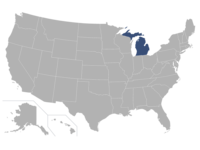
Lansing, MI