Almost 20% of rape kits in Louisiana aren’t tested, audit finds
Nov 10, 2026 | 7:40 am ET

Description
Photo by Chinnapong/iStock Getty Images)
Nearly one in five rape kits collected over an 18 month period from 2024-25 in Louisiana was never submitted to a crime lab for testing, according to a report from the Louisiana Legislative Auditor.
The audit found 337 kits of the 1,879 collected statewide, or 18%, from July 2024 through December 2025 had not been sent to a crime lab as of February. Law enforcement staff also aren’t testing all of the kits that end up at the lab, in part because no state law requires them to do so, according to the report.
“[O]ne crime lab stated that it tests all kits submitted by law enforcement, while the other five crime labs stated that they will not test a kit if law enforcement or the district attorney informs them that the case will not be pursued,” the report stated.
Several crime labs told auditors they use their own judgment to determine which kits to test based on “circumstantial or administrative factors,” according to the report.
The nearly 1,900 kits in question are “reported” kits, meaning a victim agreed to undergo a special medical exam in the hope that police would investigate their alleged sexual assault. Kits collected from victims who don’t want to work with law enforcement are referred to as “unreported” and aren’t supposed to be tested, according to the auditor.
In both cases, evidence is collected from victims during the exam, including DNA swabs. Even if police decline to pursue a case, advocates advise that all kits be tested, so DNA from an assault can be included in a database that might link the perpetrator to other crimes, according to the report.
In addition to concerns about testing, auditor found gaps in the online information available to the sexual assault victims about the location or status of their individual kits. In more than 25% of the cases surveyed, police failed to pick up the kit from the care provider who performed the exam or didn’t deliver it to a crime lab by the legally required deadlines, according to the report.
The state might struggle to force police agencies, care providers and crime labs to comply with deadlines and because Louisiana law includes no penalties for failing to obey them, the report concluded.
Legislative Auditor Michael Waguespack suggested that publicizing which agencies are not following the rules in an annual report on rape kits could help with compliance.
The Louisiana State Police Crime Lab, which oversees the rape kit tracking system, should also make some updates to its online database to make sure rape kit information can be used to its fullest potential to solve crimes, according to the report.
The Louisiana Legislature has passed a flurry of legislation dealing with the tracking and testing of rape kits since 2023. The changes have led to a surge in requests for rape kit testing. The number of kits submitted to crime labs went from 643 in fiscal year 2024 to 1,011 in 2025, according to the audit.
Crime lab staff told the auditor they haven’t been given enough resources to keep up with the demand.
“Several labs stated that testing kits involves greater complexity and resources than most other types of DNA testing, and that testing more kits limits how much DNA testing they can perform for other types of crimes, such as homicides,” the report stated.
The Louisiana State Police and other crime labs should also come up with a standardized way to report potential DNA matches in their system. There are currently gaps in communication between the crime labs and law enforcement agencies about these “hits” that could mean those potential leads aren’t being tracked down, according to the report.
State Police Superintendent Col. Frank Besson, who oversees the crime lab that performs about half the rape kit testing in the state, agreed to adopt the suggestions the auditor made to improve rape kit testing accountability.
“In support of that commitment, [State Police] has already initiated corrective actions and process improvements designed to strengthen oversight, enhance operational effectiveness and address the areas identified within the report,” Besson wrote in a letter to Waguespack.
The auditor said some fixes, such as clarification on whether all reported kits need to be tested, would require legislative action.
Morgan Lamandre, CEO of Sexual Trauma Awareness & Response, which provides assistance sexual assault survivors in several parts of the state, said “more digging needs to be done” to figure out what are the roadblocks to accountability.
In some communities, it might be a lack of staff and funding to properly process the kits. In other places, it could be complacency, she said.
In the 2027 legislative session, Lamandre said her priority will be a law change that requires hospitals and other medical providers to call in advocates, such as those from her organization, as soon as possible after a sexual assault victim arrives at a medical facility for treatment.
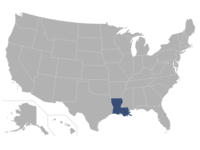
Baton Rouge, LA