Taking notes from Texas and Virginia’s data center slow down
Nov 09, 2026 | 3:47 pm ET
Description
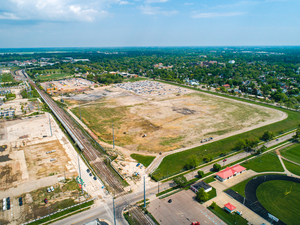
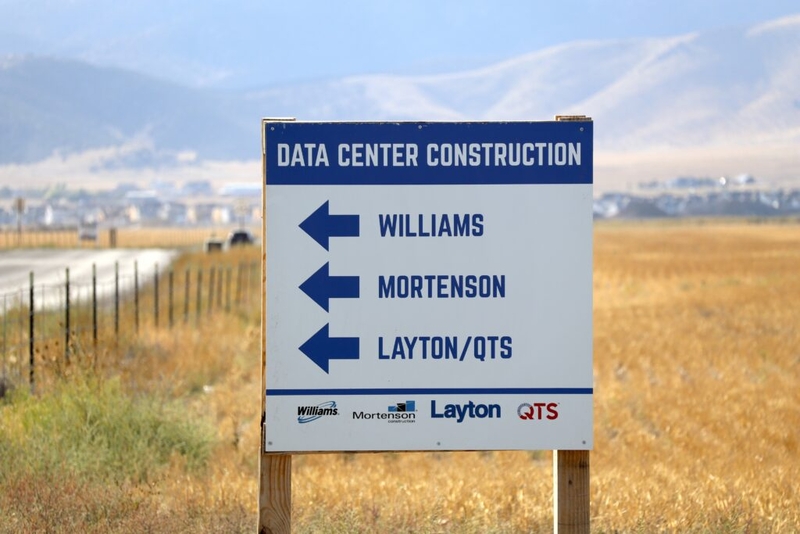
A sign pointing toward data center construction sites is pictures in Eagle Mountain on Sept. 23, 2026. (Katie McKellar/Utah News Dispatch)
The energy at the Capitol was electric. Standing shoulder to shoulder last month with others who recognize how data centers tie into the fight for climate justice is energizing. Across the country, this movement is gaining momentum, and Utah is no exception. In our state, a woman was thrown to the ground Oct. 21 by a sheriff’s deputy for protesting data centers in Utah County.
Anybody that values what makes Utah unique can understand why data centers are threatening. I have spent my entire life hiking the Rocky Mountains in the summers and skiing them in the winters. I grew up in Summit County where spending time with the land we lived on was an integral part of my everyday life. I love and respect this land.
Thanks to all of the time I spent (and continue to spend) outdoors, I can’t separate anything I do from the deep responsibility I feel for how my actions impact the planet that I am living on. The problem is, I don’t see our legislators considering their actions in a similar way. What I see is that profit is being prioritized over people and the planet we call home.
Legislators are selling out our public lands for mining, data center development, and profit. Utah is among the top states nationwide for planned data centers. So are Texas and Virginia, which just put major restrictions on new data centers, but Utah hasn’t done that.
I have seen the research, heard the news, and understand the serious impacts that widespread hyperscale data center development poses to our land, air, and water. Yet, companies, and some of our elected officials, are trying to rush these massive projects forward without proper environmental surveys, consideration of public opinion, or the time we truly need to make an informed decision about what is built in our state.
Virginia has over 340 data center buildings, the most of any state in the United States. It has positioned itself as a data center hub. The result is serious impacts on their energy grid, water resources, and local communities. Alarmingly, their energy rates have increased in recent years and are only likely to continue — not to mention the strain on water supply, or the constant air and noise pollution constantly disturbing local communities. As a result, On Sept. 18 Virginia Gov. Abigail Spanberger announced Data Center Accountability Framework guardrails that keep communities safe and healthy. The framework even admits that the state “welcomed data center development without a clear or coordinated plan to address their impacts on Virginians.” Virginia’s reality is a glimpse into Utah’s future if we keep doing business as usual.
Texas was on track to surpass Virginia in data center development. On Sept. 21, Texas Gov. Greg Abbott put a pause on all data center related permits until the Electrical Reliability Council of Texas completes an audit of the existing data center waitlist. This pause is following the moratorium Abbott put forward in August halting data center development in the state. This came at a significant time as midterms were quickly approaching and Abbott was up for reelection, which he lost. Texans are clear — they do not want more unchecked data centers.
But Utah Gov. Spencer Cox wasn’t up for reelection this year. Looking at this in a glass-half-full type of way, that means he can still shape the legacy of his time in office — which up to now, hasn’t looked the best when we consider a dying Great Salt Lake, supporting President Donald Trump as he slashed 3 million acres of public lands in the state, and increasing industrial development that pollutes our already toxic air.
We need a moratorium in place until we can implement guardrails on data center development. Those guardrails should include:
- Require data centers to pay full cost of service, with long-term contracts, exit fees, and no new gas plants or delayed coal retirements to serve them.
- NO taxpayer funded financial incentives for data centers unless they are conditioned on clean energy, battery backup, and full protection for other ratepayers.
- Require third-party, publicly available environmental studies for all data center permits, including cumulative air impacts from backup generators and impacts on local water supplies.
- Require all data centers over 20MW to undergo a public review process with a minimum of three-week public comment period, and disclose all proposed data centers clearly on a public website and on social media.
- Ban nondisclosure agreements and other measures to keep data centers from the public.
- Require community benefit agreements negotiated by non-government community groups, in addition to, not instead of, ratepayer and clean energy protections
We, the citizens of Utah, deserve a say on what happens in our state that impacts our quality of life.
Salt Lake City, UT